Your Puppy or Kitten's First Grooming Appointment in Thailand: What to Expect and How to Prepare
Your pet's first grooming appointment will likely be calmer and shorter than you're imagining, and you can take concrete steps this week to make it even easier. The groomer will handle essential tasks-nail trimming, ear cleaning, maybe a first bath-while your pet learns that being touched by a stranger is safe. Yes, there will be some nerves. But with the right preparation and the right groomer, your puppy or kitten will walk out fine, and you'll feel far less anxious about the whole thing.
This article walks you through real first-time grooming stories, tells you exactly what happens during an appointment, and gives you a step-by-step prep plan you can start today.
Meet Three First-Time Groomers (Real Stories from Thailand)
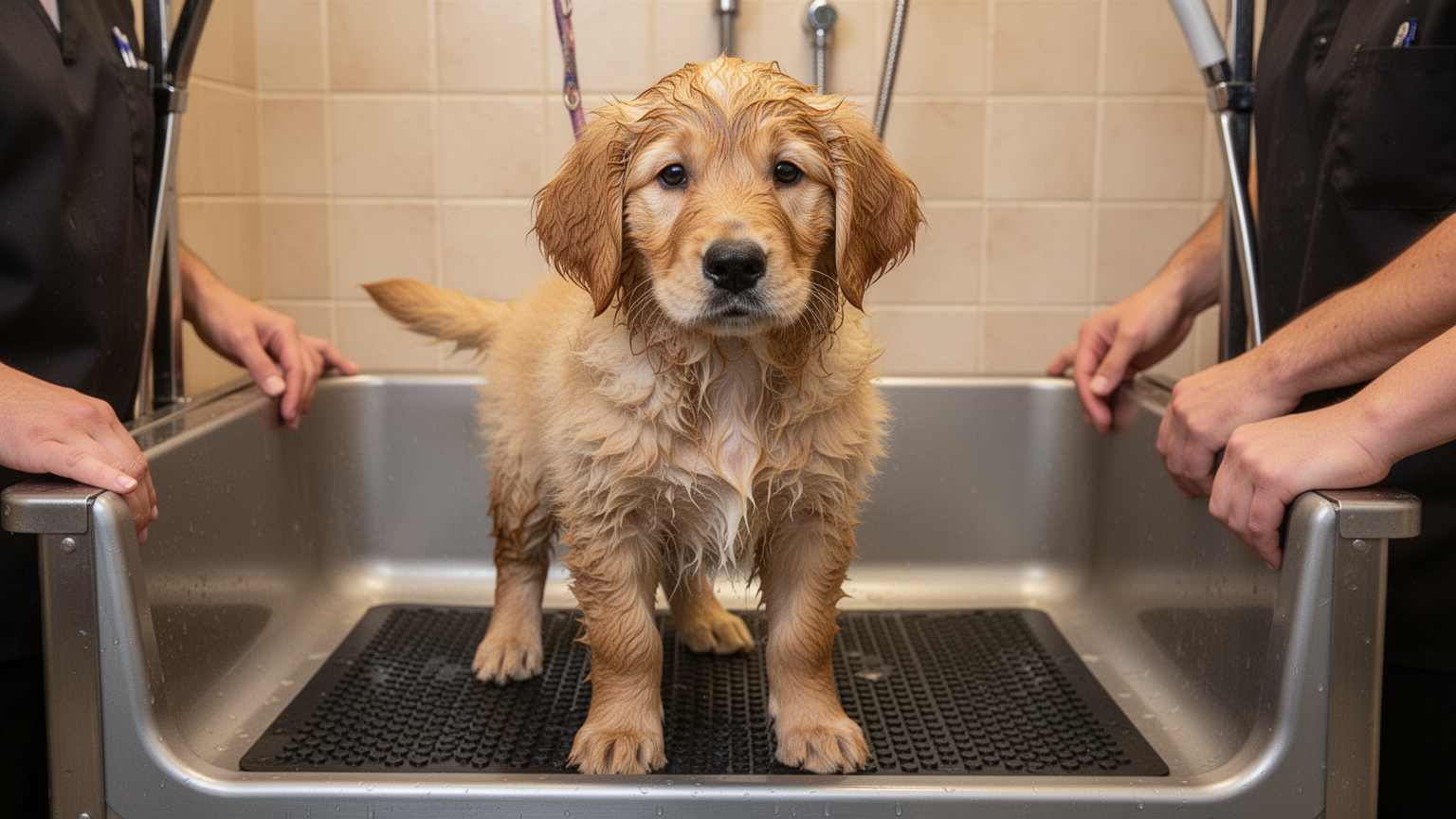
Dao's golden retriever puppy, Max
Dao adopted Max at eight weeks old and brought him to his first appointment at twelve weeks-nervous that Max would panic on the grooming table. "I told the groomer I was terrified he'd hate it," Dao remembers. The groomer spent the first five minutes just letting Max sniff around, giving treats, and talking in a calm voice. The actual grooming-a gentle wash and nail trim-took fifteen minutes. Max fidgeted but didn't fight. He came home damp and tired, ate dinner, and napped for three hours. By the second appointment two months later, Max walked into the salon like he'd been there before.
Noi's Siamese kitten, Jasmine
Noi waited until Jasmine was four months old before booking. Jasmine had already been handled a lot at home-picked up, petted, had her paws touched-so she was somewhat used to being manipulated by humans. At the appointment, the groomer did mainly nail trimming and a sanitary clip. Jasmine was scared and made it clear by thrashing, but the groomer knew when to pause, give treats, and let her settle between steps. It was uncomfortable but brief. Noi picked her up, and Jasmine clung to her for an hour, then forgot the whole thing happened.
Som's Shih Tzu mix, Bella
Som did almost no home preparation before Bella's first appointment at six months. Bella had never been bathed, her paws had rarely been touched, and she'd never been handled on a table. At the salon, Bella panicked-crying, pulling away, resisting the bath. It took forty minutes instead of twenty. Som was upset, the groomer was frustrated, and Bella was traumatized. After that, Som spent three weeks at home getting Bella used to water and touch before the second appointment. That one was much better.
The difference? Preparation matters. Not perfectly-but noticeably.
When Is Your Pet Ready? Age, Health & Readiness Signs
Age guidelines
According to the American Kennel Club, puppies can have their first grooming appointment between eight and twelve weeks old, though many groomers prefer waiting until twelve weeks when the puppy has had at least their first or second vaccine round. For kittens, four months is a safe starting point-old enough to handle the stress, young enough to build positive associations.
That said, your pet's readiness depends on two things: their vaccination status and their temperament, not just their age.
Vaccination status
Before the first appointment, your puppy or kitten should have received at least their first round of core vaccinations (typically administered by a veterinarian at six to eight weeks for puppies, and at six to nine weeks for kittens). Many groomers won't accept unvaccinated pets because grooming salons are shared spaces where disease can spread. Confirm vaccination records with your vet before booking, and tell the groomer about your pet's vaccine status.
Readiness signs
Even if your pet is the right age and vaccinated, they should show some comfort with basic handling:
- They allow you to touch their paws, ears, and face without extreme panic
- They've been in water at least once (even a shallow bath counts)
- They can sit on a table or elevated surface without immediately jumping off
- They respond to their name and basic commands, or at least seem to know you're talking to them
If your pet shows signs of serious aggression, extreme fear responses (freezing, uncontrollable shaking), or has untreated health issues like skin infections or ear problems, talk to your vet before booking. The groomer needs to know.
What Happens During a First Grooming Appointment: Step-by-Step
A first appointment usually lasts 30 to 60 minutes for a small dog or cat, depending on their coat type and how cooperative they are. Here's what actually happens, in order.
1. Drop-off and paperwork
You'll arrive with your pet and fill out a form with basic information: your pet's name, age, any health issues, allergies, behavioral notes ("she's nervous," "he nips when scared"), and what you want done. Be honest here. If your pet has never been bathed, say so. If they're anxious, tell them. This information helps the groomer prepare and sets realistic expectations.
You'll hand your pet over, say goodbye, and leave. Most groomers ask you to stay away from the window and not to call during the appointment-it can stress the pet out more.
2. Initial assessment and acclimation
The groomer spends the first few minutes just letting your pet get used to the space and the groomer's voice and touch. They may offer treats, talk quietly, and let your pet sniff around. For a first appointment, this is as important as the actual grooming. Your pet learns that this person is not a threat.
3. Bathing (if included)
Your pet goes into a tub or basin with warm (not hot) water. The groomer wets their coat gently, avoiding the face and ears initially. They apply pet shampoo and massage it through the coat, then rinse thoroughly. The goal is to keep your pet calm while they're wet and slightly vulnerable-no rushing, no forcing their head under water.
Most pets are anxious during the bath. The sound of running water, the loss of footing, the sensation of being wet-all of it is new. A good groomer knows this and works quietly and efficiently.
4. Drying
The groomer wraps your pet in a towel and lets them shake off (this is normal and expected). Then they may use a towel to dry further, or a pet-safe blow dryer on low heat. Many cats and small dogs find the dryer scary, so the groomer may pause, give treats, and restart rather than forcing it.
5. Nail trimming
Your pet's nails are trimmed with a pet nail clipper or grinder. This usually happens on a grooming table. The groomer holds one paw at a time, trims the nail (or grinds it smooth), and immediately releases the paw so your pet doesn't feel trapped. This is where the earlier handling practice at home pays off-if your pet is used to having their paws touched, they'll panic less.
For a first appointment, nail trimming might be the only service you choose. That's perfectly fine.
6. Ear and eye cleaning
The groomer gently wipes the outer ear area and around the eyes with a soft cloth or cotton pad. For kittens and small dogs, this is usually quick. Your pet might shake their head afterward, which is normal.
7. Sanitary clip (if applicable)
For some breeds-especially cats and long-haired dogs-the groomer may trim fur around the rear end and genital area to keep them clean. For a first appointment, this might be skipped if your pet is already stressed.
8. Finishing touches
If you've requested it, the groomer may do a basic brush-out or trim. For a first appointment, this is minimal. The focus is on getting your pet used to the experience, not on aesthetics.
9. Pick-up
You collect your pet. They will likely be tired, may smell like shampoo, and might be a bit damp or warm if they were just dried. Some pets are clingy; some just want food and a nap. This is all normal.
How to Prepare Your Puppy or Kitten at Home
This is where you have real influence. Spending 15 to 20 minutes per day on these tasks for one to two weeks before the appointment makes a significant difference.
1. Get them used to being touched
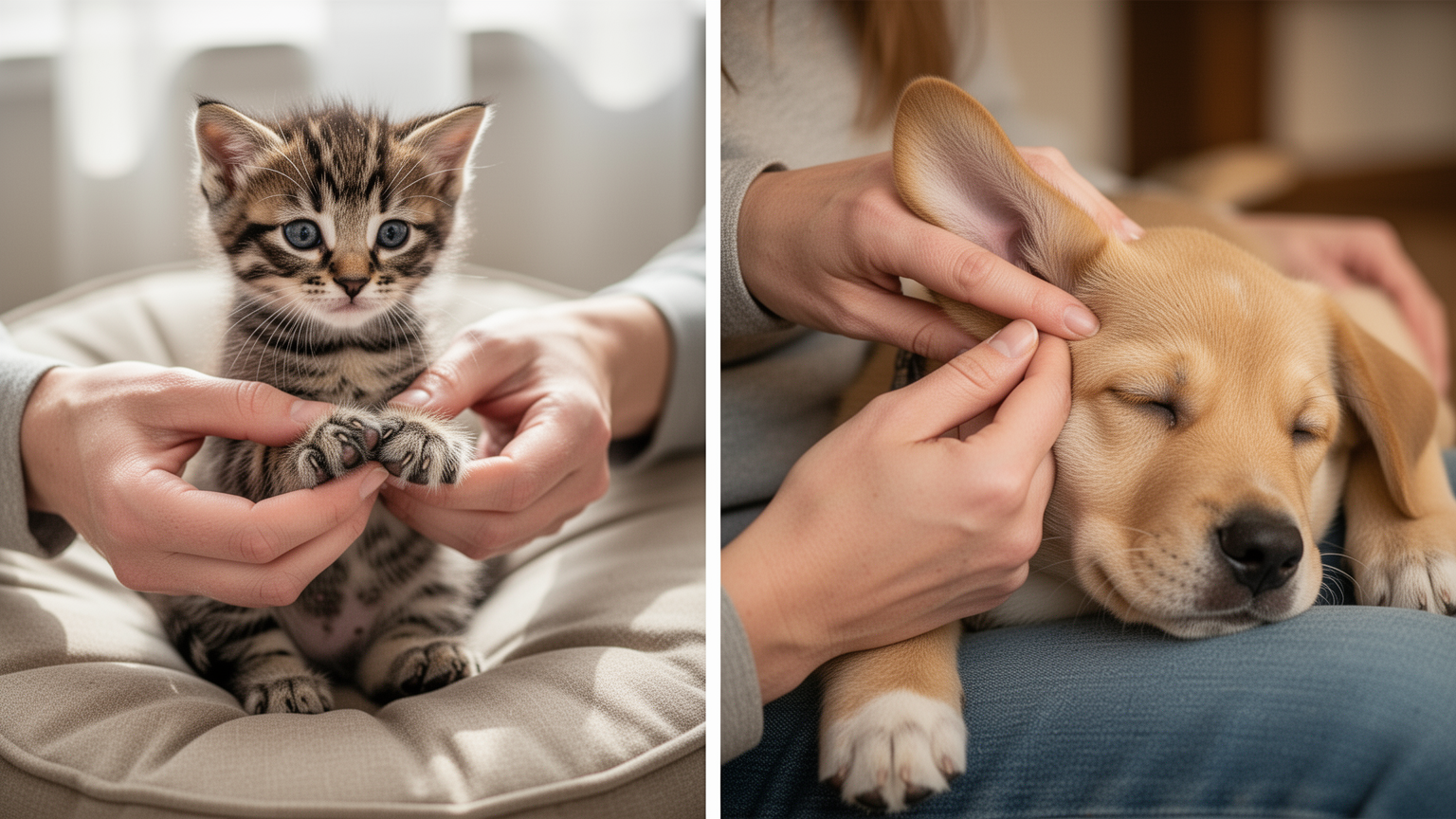
Start now. Every day, spend a few minutes gently handling your pet:
- Hold their paws and massage between the toes (this mimics what happens during nail trimming)
- Gently touch and massage their ears
- Stroke their face and run your fingers along their muzzle
- Hold them on your lap or a table for short periods
- Reward with treats and praise after each session
The goal is not perfection-it's familiarity. Your pet should learn that being handled doesn't mean something bad happens.
2. Introduce water slowly
If your pet has never been in water, start very small:
- Run the tap and let them hear it
- Put a small amount of water in a basin and let them step in (not forcing them)
- Gently wet their paws or spray their back with a water bottle
- Never pour water over their face
You're not trying to bathe them. You're just making water feel less alien. Even one or two positive water experiences reduces panic at the salon.
3. Practice standing and sitting still
Get your pet used to standing on a slightly elevated surface (a sturdy chair, a low table) for short periods. This mimics the grooming table. Reward them for staying calm. Start with just 30 seconds.
4. Play with nail trimmers at home
Let your pet see and sniff the nail clipper. Let the sound of it clicking (without cutting) become familiar. You don't need to actually trim their nails-just desensitize them to the tool and the sound. Some pets will be less scared if the tool itself isn't a complete surprise.
5. Use treats strategically
Have high-value treats on hand-something your pet rarely gets but loves. During home preparation, use these treats to reward calm behavior during handling. At the grooming salon, the groomer will often do the same. This builds the association: touching and handling = good things happen.
Do this consistently for one to two weeks before the appointment. You don't need to be perfect; you just need to start.
Managing Fear & Panic: What Groomer & Owner Can Do
Your pet will probably feel some anxiety. That's normal. But there's a difference between normal nervousness and panic that interferes with grooming.
Why anxiety happens
According to the Association of Professional Dog Trainers, fear responses in new situations are a normal part of development, especially for young animals. Your pet isn't being difficult or "bad"-they're responding to sensory overload and unfamiliar humans. Recognizing this helps you stay calm, which your pet picks up on.
What the groomer can do
A skilled groomer uses positive-reinforcement techniques: pausing when your pet shows fear, offering treats, speaking calmly, and breaking tasks into smaller steps. They might:
- Give a treat between nail trims instead of doing all four paws in a row
- Let your pet shake and reset rather than forcing them to stay still
- Use a break in the middle of the appointment if your pet is overwhelmed
- Skip certain services if the pet is too stressed (and finish them next time)
This is why groomer choice matters. A groomer trained in handling anxious pets will manage fear much better than someone focused purely on speed.
What you can do
Before the appointment:
- Don't over-reassure your pet on the day. Saying "don't worry, it'll be fine" in an anxious voice actually amplifies their anxiety. Stay calm and matter-of-fact.
- Don't tell the groomer horror stories about previous vet visits or other traumatic events. It biases the groomer's expectations.
- Do ask the groomer if you can stay in the salon during the first appointment-some allow this, and seeing you nearby can calm your pet. Others prefer you leave; ask.
After the appointment:
- Even if it went badly, don't make a huge fuss or act like it was traumatic. Treat it as normal and move on.
- Reward your pet for being brave, but don't overdo it.
- Schedule the next appointment within 4 to 8 weeks. Spacing appointments too far apart means your pet forgets the experience and has to learn again.
If your pet truly panics
True panic-uncontrollable shaking, refusal to move, aggression, or screaming-is different from normal fear. If this happens:
- The groomer should pause and give your pet time to calm down
- Some grooming can often be rescheduled for a second visit
- Your vet can discuss whether a calming supplement or medication is appropriate (never decide this on your own)
- You may need to work with a professional trainer on desensitization before trying again
This is rare with proper preparation, but it can happen, especially with older pets adopted from stressful backgrounds.
Choosing the Right Groomer in Thailand: What to Look For
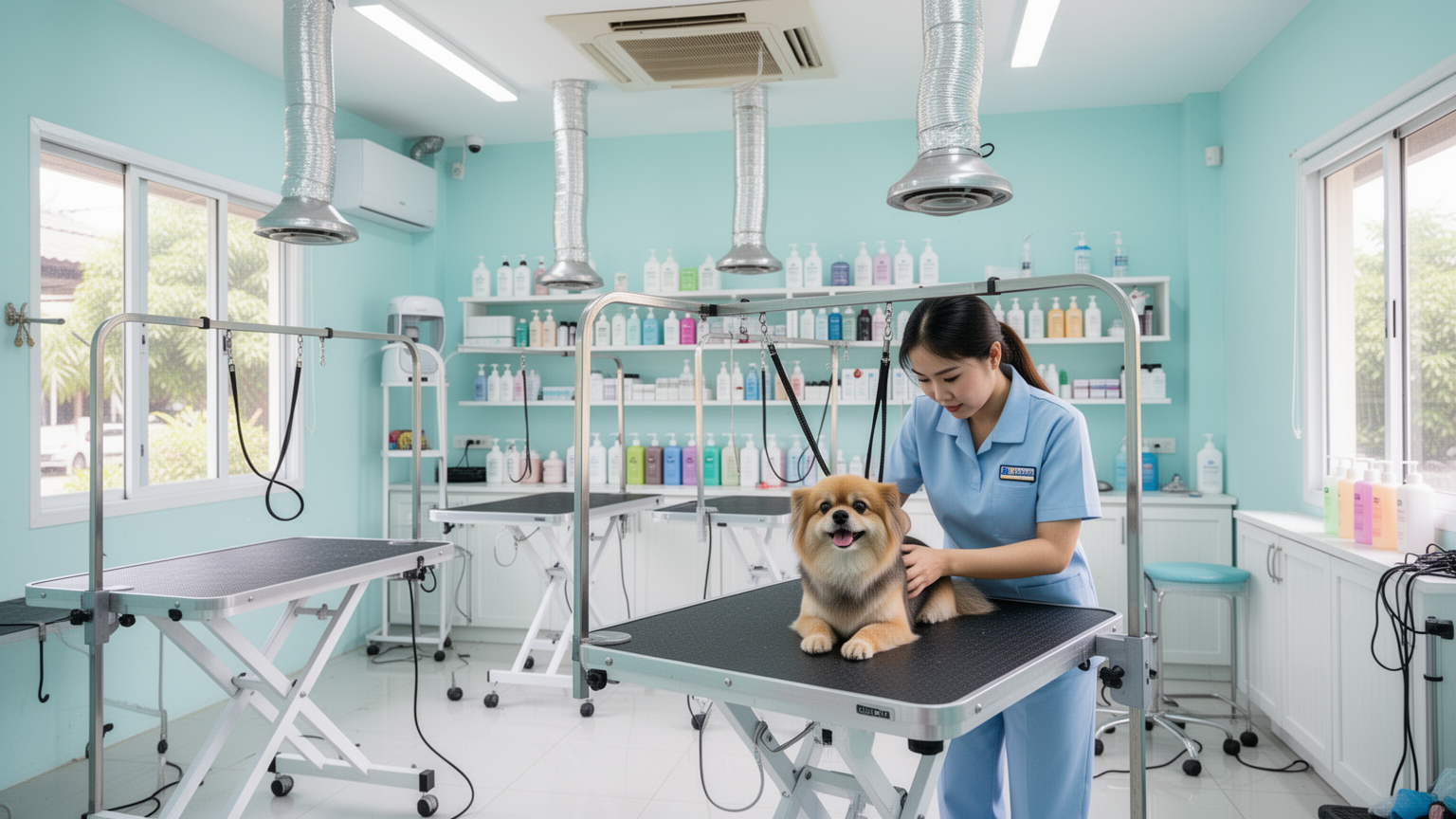
Not every groomer is the same. The person you choose will significantly affect your pet's first experience.
Qualifications and training
Look for groomers with formal training-either through grooming schools or apprenticeships under experienced groomers. Ask how long they've been grooming and whether they have experience with puppies and kittens specifically. According to AAHA accreditation standards, professional groomers should understand breed-specific coat types, safe handling techniques, and stress recognition in animals.
You don't need to find someone with a fancy certification, but you do want someone who has trained under someone else and can talk about handling techniques.
Hygiene and facility standards
Visit the salon in person before booking. What you're looking for:
- Clean bathing areas and grooming tables (should be sanitized between pets)
- Separate holding areas for different pets (so a nervous cat isn't next to a barking dog)
- Good ventilation and temperature control
- Staff who wash their hands between pets
- No overpowering smell of urine or feces
If a salon is dirty or feels chaotic, keep looking.
Experience with anxious or young pets
Ask: "Have you groomed puppies and kittens before? What's your approach if they're scared?" A good answer sounds something like: "I go slow, use treats, take breaks if needed, and focus on making the experience positive over perfect grooming."
A bad answer sounds like: "Don't worry, they get over it quick," or "We just do what needs to be done," or "We might need to muzzle them."
Communication style
The groomer should ask questions about your pet's health, temperament, and what you want. They should also be willing to talk to you after the appointment about how it went. If they seem rushed or dismissive of your concerns, that's a signal.
Ask other pet owners
Local pet owner groups, online communities, and vet clinics often have recommendations. Ask specifically about first-time experiences, not just overall quality.
FAQ
Can I stay with my pet during their first grooming appointment?
It depends on the groomer's policy. Some groomers allow owners to observe, which can reassure anxious pets. Others find that having the owner present actually makes pets more anxious or causes behavioral problems. Ask when you call to book. If they say no, respect that-they usually have a good reason.
What if my puppy or kitten hasn't finished their vaccinations yet?
Most groomers won't accept pets without at least their first vaccine round. Talk to your vet about the timing of vaccinations, and confirm your pet's status in writing before booking. Don't try to hide an incomplete vaccination history-it puts other pets at risk and can damage trust with the groomer.
How often should I have my pet groomed?
For puppies and kittens, frequency depends on coat type. Short-haired pets might need grooming every 8 to 12 weeks; long-haired pets every 4 to 8 weeks. Ask your groomer or vet for a breed-specific recommendation. Regular appointments (rather than spacing them far apart) help your pet stay comfortable with the process.
What should I do if my pet comes home and acts traumatized?
Most pets are tired and a bit unsettled after their first appointment-this is normal. They need food, water, and a quiet place to rest. If your pet shows extreme distress (not eating, extreme lethargy, aggression, or injury), contact your vet. If the experience was genuinely bad and you believe the groomer was rough, don't go back there, and consider working with a different groomer and a trainer before trying again.
Should I bathe my pet at home between grooming appointments?
Yes, you can and should. Home baths keep your pet's coat clean and help them stay comfortable with water. Use