Questions to Ask a Boarding Facility for Your Anxious Dog
Ask a boarding facility about their approach to handling anxious dogs, staff training in recognizing stress, individual attention during your pet's stay, and what calming methods they actually use. These four areas matter most because they tell you whether a facility understands nervous dogs or just warehouses them-and the difference shows up in your dog's wellbeing.
If your dog gets worried when you leave or has had a bad boarding experience before, you're right to be cautious. The right facility can make boarding manageable for an anxious dog. The wrong one can make things worse. This article gives you 10 specific questions to ask, helps you spot real warning signs, and explains which calming practices actually work.
Why Anxiety Assessment Matters Before Boarding
Before you even call a facility, understand what anxiety looks like in your dog. According to AKC Expert Advice, signs of dog anxiety include excessive barking, panting, pacing, trembling, loss of appetite, and attempts to escape. Some dogs show these signs only when their owner leaves. Others react to new environments, unfamiliar dogs, or loud noises.
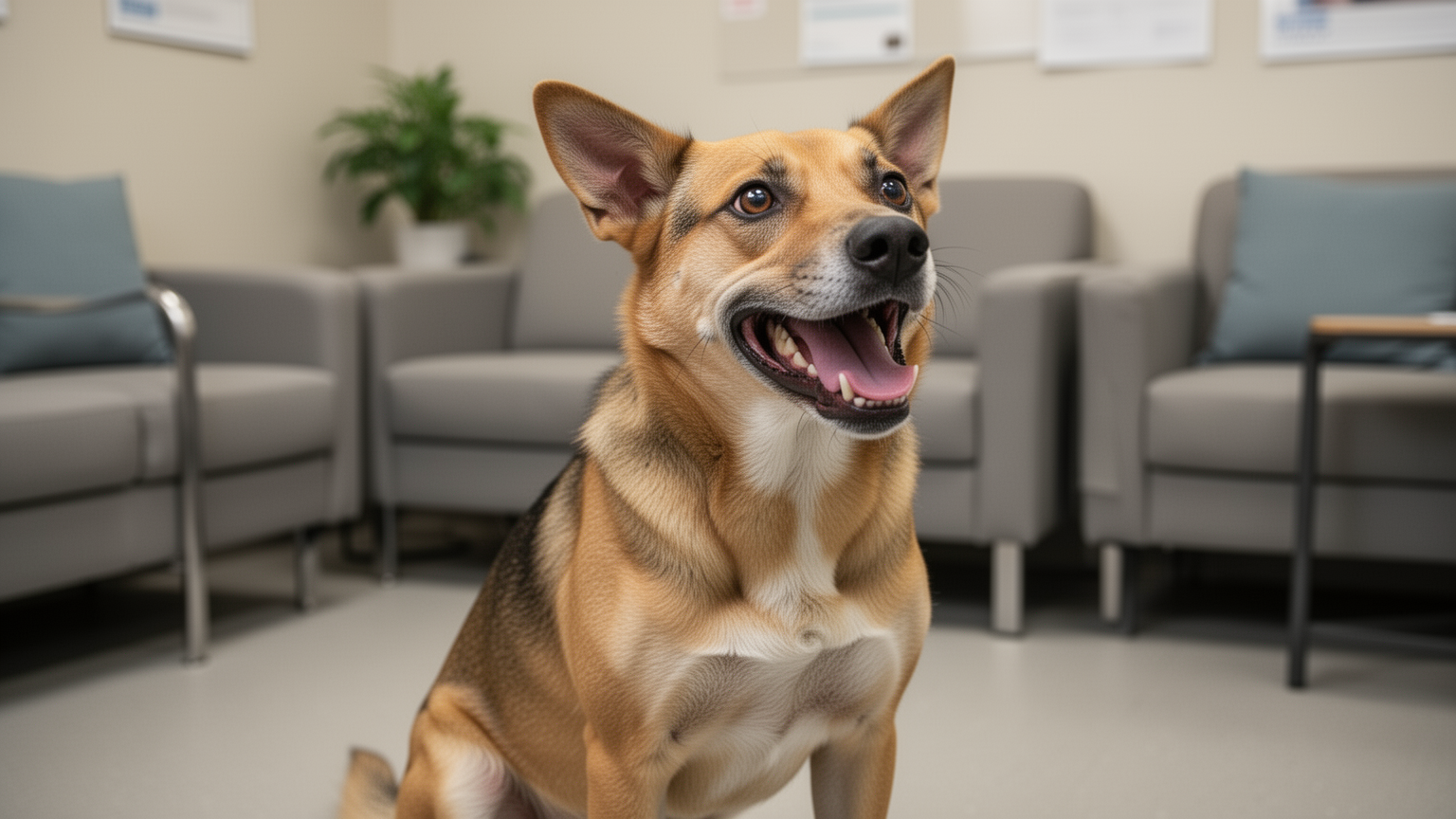
The reason this matters: not every boarding facility is equipped to handle every level of anxiety. A facility that's great for a confident, social dog might be the wrong fit for a nervous dog. And a facility that offers calming support can genuinely reduce your dog's stress during the stay.
Before calling around, spend a day observing your dog. Does your dog panic when you leave the house, or just whine? Can your dog sleep around other dogs, or does he stay on high alert? Does loud noise from traffic or other animals bother him? Write down what you actually see. This helps you ask better questions and evaluate whether a facility's approach matches your dog's specific needs.
A basic question before you start: has your vet ruled out medical causes for anxiety (like ear infections, pain, or thyroid issues)? If not, get that checked first. Sometimes what looks like separation anxiety is actually a physical problem.
Essential Questions to Ask Any Boarding Facility
When you contact a facility, have these questions ready. Write down the answers. They matter more than the facility's website or how nice the photos look.
1. Tell me about your staff's experience with anxious dogs.
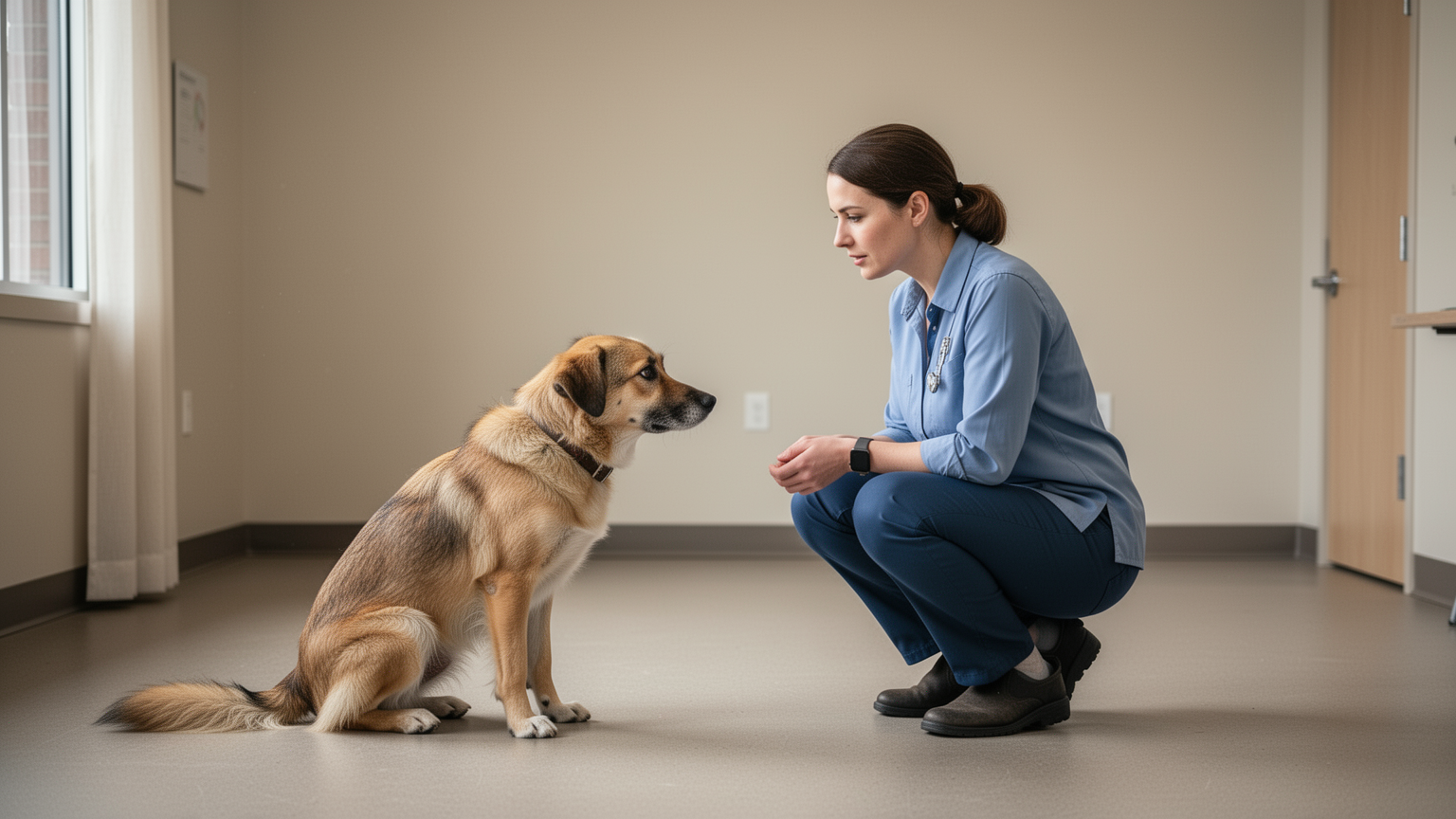
Listen for whether they've actually worked with nervous dogs and what they did. "We've handled plenty" is not an answer. Better answers sound like: "We have staff trained in canine body language and stress signals" or "We can do one-on-one time with anxious dogs instead of group play." Per International Boarding & Pet Services Association standards, reputable facilities employ staff with training in animal behavior and handling, not just people who like dogs.
2. Can you walk me through a typical day for a dog who gets anxious?
A thoughtful facility will describe a different routine for anxious dogs-not the same schedule as confident dogs. They might offer quieter accommodations, shorter group-play sessions, or more frequent check-ins. If they describe the exact same day for every dog, that's a sign they don't customize for anxiety.
3. What do you do if my dog shows signs of stress during his stay?
Good answers include: checking on the dog more frequently, moving them to a quieter area, removing them from group play, or calling the owner. Red-flag answers include: "We give them time to adjust" (without other support), "Most dogs settle down," or "That's normal for the first day." You're not paying for a dog to suffer through adjustment. You're paying for management of that stress.
4. What's your policy on medications or supplements during boarding?
Ask whether they'll administer anxiety medication prescribed by your vet, whether they require written instructions, and how they track it. This matters because some facilities won't give medications at all. Others give them but don't track dosing carefully. You want a clear written protocol before your dog arrives.
5. Do you have a pre-boarding visit or trial stay?
This is huge for anxious dogs. A short visit (even 30 minutes) before the real stay helps your dog recognize the space and staff. A trial half-day or full day tells you whether your dog can actually manage the facility. Facilities that refuse trial visits or don't encourage pre-visit tours may not be thinking about your dog's comfort.
6. How often can I communicate with you, and how will you update me?
Some facilities check in once a day via email. Others offer photos or video calls. Some won't contact you unless something's wrong. Know what to expect. For an anxious dog, more frequent communication (even just a photo) can ease your own worry, which helps you stay calm when you pick your dog up-and dogs pick up on our energy.
7. What's the ratio of staff to dogs, especially during play time?
Per IBPSA standards, reputable facilities maintain appropriate staffing ratios so dogs get supervision. If a facility won't tell you this number, ask why. A ratio of 1 staff member to 8-10 dogs is reasonable for confident dogs in group play. For anxious dogs, you might want to know that a dog gets removed from group play if the ratio drops.
8. What happens if my dog won't eat or has diarrhea during the stay?
Stress can cause appetite loss and digestive upset in anxious dogs. Ask whether the facility will try different foods, hand-feed if needed, or call a vet. Also ask what they charge for vet visits if one becomes necessary. You want to know these policies before you board, not when you pick up a sick dog.
9. How do you handle dogs that won't play with others?
Not all dogs are social. Anxious dogs especially may prefer solo time or only quiet time near staff. A good facility won't force group play on a dog who's clearly uncomfortable. Ask whether a anxious dog can skip group sessions without being seen as "problem" or charged extra.
10. Can you provide references from owners of anxious dogs?
This is a direct way to learn what actually happens. Call or message those owners. Ask them specifically: Did your anxious dog show less stress on pickup day than drop-off day? Did the facility seem to understand your dog's needs? Would you bring the dog back? Real feedback from people in your situation is worth more than any marketing material.
Red Flags That Should Stop You From Booking
Some answers or policies should tell you to keep looking.
Your vet isn't in the picture. If a facility won't accept medications, doesn't ask about your dog's health history, or won't call a vet if a problem arises, walk away. ASPCA Pet Care standards recommend that boarding facilities have a relationship with a local veterinarian and a clear protocol for medical emergencies.
Staff can't describe how they recognize stress. If a staff member can't tell you the difference between playful energy and anxious behavior, they won't notice when your anxious dog is struggling. Dogs communicate through body language-tight lips, tucked tail, pinned ears, stiff posture. If staff don't mention these signs, they're not trained well enough.
They push back against anxiety accommodations. Phrases like "All dogs do fine here" or "We don't treat anxiety specially-they just adjust" suggest the facility doesn't believe anxiety is real or manageable. It is both. If they can't explain how they'd support your dog, find elsewhere.
You're not allowed to visit before booking. A facility that won't let you see the space, meet staff, or bring your dog by beforehand is making it hard to assess whether it's right for your pet. Transparency matters. Good facilities encourage visits.
No written care plan. Before your dog arrives, you should receive a written document outlining: medications and timing, feeding instructions, calming methods they'll use, contact protocols, and what triggers or situations to avoid. If the facility doesn't offer this, how will staff remember your dog's needs?
They only offer group play with no quiet alternative. For an anxious dog, constant group interaction can be exhausting and stressful, not fun. A facility that can't offer solo time or quiet spaces isn't set up for nervous dogs.
Cost is shockingly low. While price alone doesn't tell you quality, extremely low rates sometimes reflect lower staffing ratios, fewer trained handlers, or fewer personalized services. You don't need to pay premium prices, but suspiciously cheap boarding often means fewer eyes on your dog.
Understanding Calming Protocols: What's Science-Backed vs. Marketing
Facilities often mention calming methods-and some actually work better than others.
Pheromone diffusers and sprays. These synthetic versions of calming chemicals dogs naturally produce show modest benefit in reducing anxiety. They're not a cure, but they can help when used alongside other strategies like quiet space and staff attention. They're a small positive, not a solution on their own.
Music or white noise. Research cited by AKC Expert Advice shows that some dogs respond to specific audio frequencies or classical music, though responses vary. It's a gentle tool that might help, especially for dogs anxious about loud noises. Again, not magic-but useful as part of a broader plan.
Medication. If your vet prescribed anti-anxiety medication (like trazodone, alprazolam, or fluoxetine for longer stays), a good facility will give it exactly as prescribed and track timing. Medication isn't a sedative meant to make your dog sleepy-it's meant to calm their nervous system so they can think and function. This is legitimate and science-backed when overseen by your vet. Never let a facility sedate your dog without explicit veterinary prescription and instruction.
Individual attention and quiet time. This is the most powerful tool. Regular one-on-one time with a staff member, access to a calm room, and removal from group stimulation during high-stress periods-these work because they address the root of anxiety: fear of abandonment and overwhelm. A facility that builds these into their routine for anxious dogs is doing the right thing.
Exercise and routine. Anxious dogs benefit from a predictable schedule and exercise appropriate to their age and fitness. However, excessive or overly stimulating exercise can actually increase anxiety. A good facility balances activity with calm periods.
What doesn't work (or hasn't proven itself). Anything labeled a "cure" for anxiety, unvetted supplements or essential oils, or pressure-based training methods (like alpha rolling) aren't backed by science and can harm anxious dogs. If a facility mentions these, be skeptical.
Ask a facility to explain why their calming methods work, not just what they are. A thoughtful answer shows they understand the method. A vague answer suggests they're just following a checklist.
Preparing Your Anxious Dog for Boarding Success
Asking the right questions is half the work. The other half is preparation.
Start with short visits. Before a full overnight stay, take your dog to the facility for 30 minutes. Let him walk around, meet staff, maybe play briefly. Repeat a few times if possible. This builds familiarity.
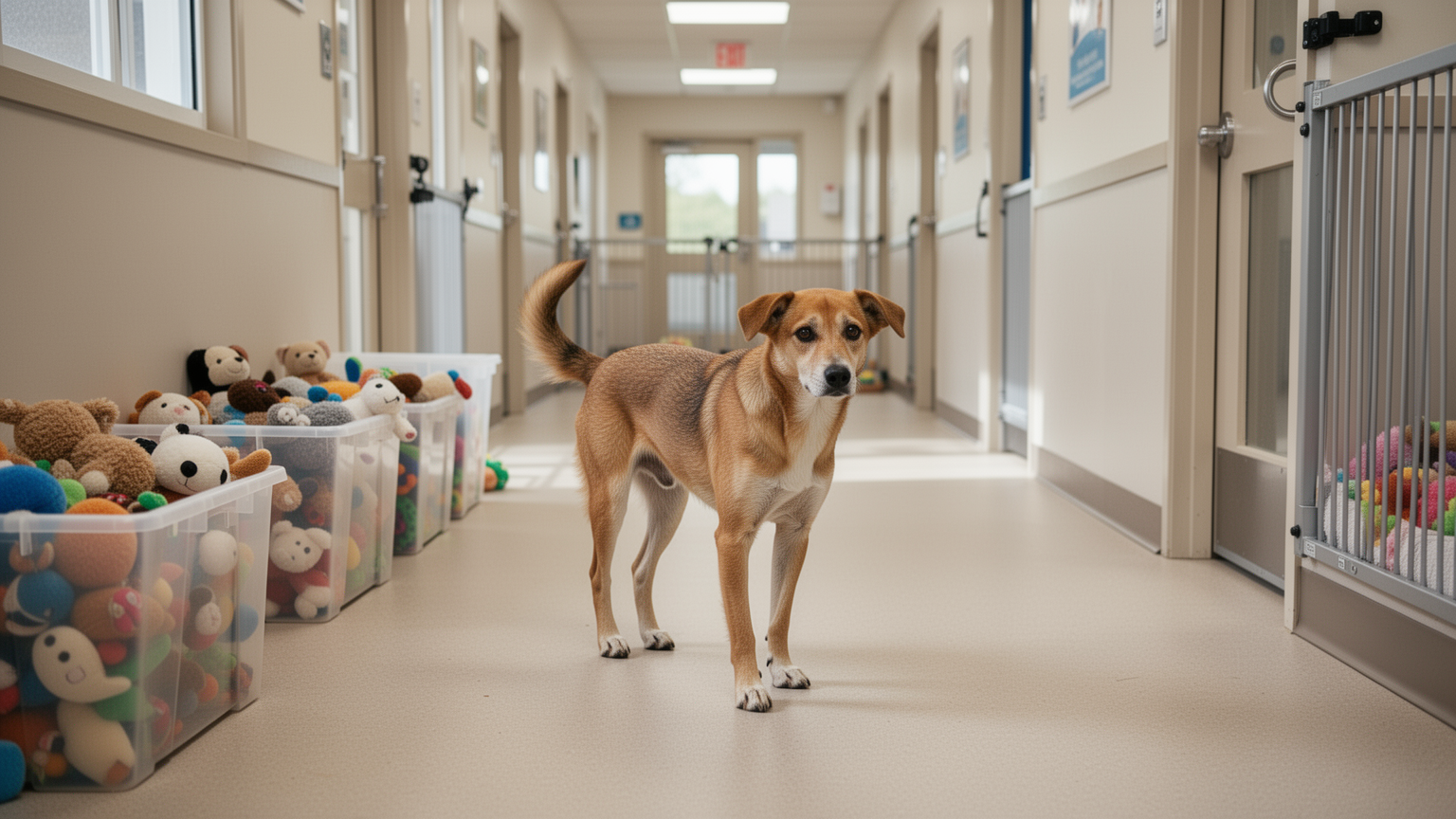
Do a trial stay. Book a half-day or full day before the longer stay. Pick your dog up while he's still calm (don't leave him too long). This tells you how he handles the space and whether he shows signs of stress. It also gives staff a chance to learn his personality.
Bring something with your scent. A blanket or toy that smells like you can be comforting. Some anxious dogs settle better with a familiar object. Ask the facility if they allow this and how they'll handle it.
Don't make pickup and drop-off emotional. Dogs pick up on our anxiety. A calm goodbye ("I'll pick you up later") is better than a long, anxious farewell. Similarly, a low-key pickup (not over-the-top excitement) helps him learn that separations are routine.
Keep a record. After each stay, note how your dog behaved on pickup day. Was he tired, calm, and settling in? Anxious and clingy? Eating and drinking? Over time, you'll see patterns. If stress increases, the facility might not be the right fit.
Work with your vet. If your dog's anxiety is severe, ask your vet whether a temporary anxiety medication makes sense for boarding. This isn't a long-term solution, but it can take the edge off during the adjustment period.
Preparing Your Anxious Dog for Boarding Success
Asking the right questions is half the work. The other half is preparation.
Start with short visits. Before a full overnight stay, take your dog to the facility for 30 minutes. Let him walk around, meet staff, maybe play briefly. Repeat a few times if possible. This builds familiarity.
Do a trial stay. Book a half-day or full day before the longer stay. Pick your dog up while he's still calm (don't leave him too long). This tells you how he handles the space and whether he shows signs of stress. It also gives staff a chance to learn his personality.
Bring something with your scent. A blanket or toy that smells like you can be comforting. Some anxious dogs settle better with a familiar object. Ask the facility if they allow this and how they'll handle it.
Don't make pickup and drop-off emotional. Dogs pick up on our anxiety. A calm goodbye ("I'll pick you up later") is better than a long, anxious farewell. Similarly, a low-key pickup (not over-the-top excitement) helps him learn that separations are routine.
Keep a record. After each stay, note how your dog behaved on pickup day. Was he tired, calm, and settling in? Anxious and clingy? Eating and drinking? Over time, you'll see patterns. If stress increases, the facility might not be the right fit.
Work with your vet. If your dog's anxiety is severe, ask your vet whether a temporary anxiety medication makes sense for boarding. This isn't a long-term solution, but it can take the edge off during the adjustment period.
FAQ
How long does it take an anxious dog to adjust to a boarding facility?
Some anxious dogs settle within a few hours; others need a full day or two. It depends on the severity of their anxiety and the quality of the facility's response. If your dog shows stress signs (not eating, excessive panting) after 24-48 hours despite good staff care, he may not be ready for this particular facility, or boarding may need to wait until you can work with a trainer on separation anxiety.
Should I board my dog if he has severe separation anxiety?
Boarding alone won't solve severe separation anxiety and may make it worse. If your dog panics when left alone or shows extreme stress behaviors, work with your vet or a certified dog trainer on gradual desensitization before attempting boarding. Boarding can be a tool after your dog has made progress-not before.
Is it normal for my dog to have diarrhea after boarding?
Mild digestive upset from stress is common, especially on the first stay or two. If it clears up within a day or two at home, it was likely stress-related. If it persists or is severe, contact your vet. If your dog always has digestive issues after boarding at a particular facility, the stress level there may be too high.
What's the difference between a boarding facility and a doggy daycare?
Boarding facilities house dogs overnight; daycare is daytime supervision only. Boarding requires overnight accommodations (kennels, rooms, or open space), while daycare focuses on play and exercise during business hours. Some facilities offer both. For an anxious dog, boarding at a facility that also offers daycare is good because your dog can get familiar with the staff and space before the first overnight stay.
Can I bring my dog's own food to reduce boarding stress?
Yes. In fact, it's often a good idea. Asking a facility to feed your dog's regular food reduces digestive upset and is one less change in an already unfamiliar environment. Bring enough for the full stay plus a little extra. Confirm the facility will store it properly and follow your feeding schedule.
Sources
AKC Expert Advice - behavioral guidance on dog anxiety signs, boarding readiness, and calming methods.
ASPCA Pet Care - facility safety standards, veterinary relationships, and emergency protocols.
International Boarding & Pet Services Association - industry standards on staffing ratios, staff training requirements, and facility best practices.