Pet Transport Services in Thailand: What's Available, What It Costs, and When You Need It
Yes, paid pet transport services exist in Thailand and are genuinely useful for airport runs, vet visits, and relocations-but not always necessary. The cost and the right choice depend on your pet's size, the distance, your comfort level with logistics, and how stressed your animal gets in unfamiliar situations.
Overview: Pet Transport Services in Thailand
When you need to move a pet from point A to point B-whether that's a vet clinic across town, an airport for an international flight, or a new home across the country-you have three basic paths: transport it yourself by personal vehicle or public transport, hire a general taxi or ride-share service, or book a dedicated pet transport provider.
The dedicated pet transport option is newer to the market in Thailand but has grown steadily as the expat population has expanded and pet owners have become more conscious of animal welfare during travel. These services range from single-driver operations that pick up and drop off pets to full-service logistics companies that handle crating, documentation, temperature control, and international regulations.
The key question isn't whether these services exist-they do-but whether they're worth the cost and peace of mind for your specific situation.
Types of Pet Transport Services & Typical Costs
In-City Pet Courier Services
These are local drivers or small teams who specialize in same-day or next-day transport within city areas. They pick up your pet, transport it in a vehicle designed or equipped for animals, and drop it at a destination (usually a vet clinic, groomer, or friend's home). Many offer climate-controlled vehicles and monitoring.
Typical cost: 300-800 THB per trip, depending on distance and whether the service includes waiting time. A round-trip vet visit might run 600-1,200 THB.
How they work: You book online or via phone, provide pick-up and drop-off addresses, and pay per journey. Some services charge by distance; others by time. A few offer subscription packages if you use them weekly.
Best for: Owners who don't drive, have multiple pets, or whose animal gets extremely anxious in cars. Also practical if you're managing a vet appointment while working.
Airport Pet Transport & International Relocation Services
These are more complex operations. They handle not just the driving but also crating, health certificates, import/export paperwork, airline liaisons, and sometimes temporary boarding. Many specialize in international moves and comply with IATA (International Air Transport Association) and national regulations.
Typical cost: - Airport drop-off: 1,500-3,500 THB (plus crating and documentation fees) - Full international relocation: 8,000-25,000 THB, depending on destination, pet type, and whether temporary boarding is included - Documentation and crating alone: 2,000-5,000 THB
How they work: You contact the service weeks in advance (6-8 weeks recommended for international moves). They assess your pet, arrange a suitable crate that meets IATA standards, obtain health certificates from a licensed vet, and coordinate with airlines or customs authorities. They deliver the pet to the airport or receiving country contact.
Best for: International relocations, airline travel, or complex moves where compliance with regulations is non-negotiable.
DIY Transport with Basic Support
Some services offer lighter-touch help: they'll provide a suitable crate that meets travel standards, advise on sedation (always through a vet), and offer transport on an hourly basis without specializing in pet logistics.
Typical cost: 500-1,500 THB per hour, or 1,000-3,000 THB for a single journey.
How they work: Similar booking to in-city couriers, but the service provider may not have the documentation or international compliance expertise of a dedicated pet transport company.
Best for: Domestic vet visits, short moves, or owners who want professional driving but don't need full logistics support.
When to Use a Service vs. DIY Transport
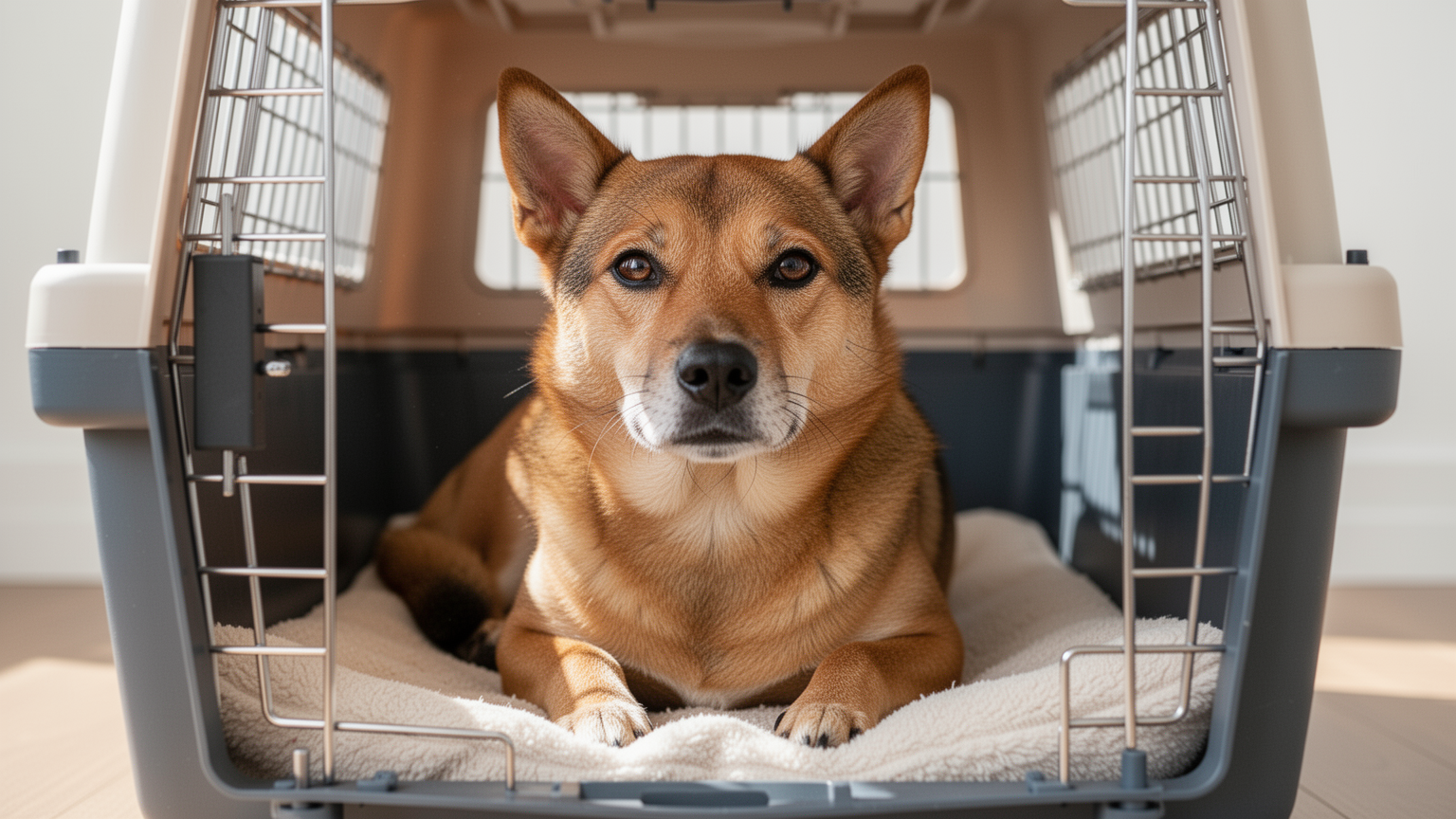
It's worth paying for a pet transport service if any of these apply:
- Your pet is highly anxious in vehicles. Stress during transport can cause injury, escape attempts, or health crashes. A dedicated service knows how to minimize this-through calm driving, familiar crating, and sometimes professional handling techniques.
- You don't own a car or aren't comfortable driving in heavy traffic. Struggling to control the vehicle and manage an upset pet at the same time is dangerous.
- You're flying your pet internationally. IATA regulations, health certificates, crate standards, and customs paperwork are too complex to navigate alone. A mistake can delay your pet by days or prevent travel entirely.
- You have a senior, very young, or medically fragile pet. These animals are more sensitive to stress and temperature changes. Professional transport includes temperature control and careful handling.
- It's a time-sensitive journey. A vet emergency, relocation deadline, or airport transfer might overlap with your work. A service removes that logistical juggling.
You can likely handle transport yourself if:
- Your pet is calm in cars and happy in a proper crate.
- The journey is short (under 45 minutes).
- You own a vehicle and can leave work or manage the timing.
- It's a straightforward vet visit with no documentation needed.
- Your pet is young and healthy, with no behavioral or medical complications.
The middle ground: if you're relocating domestically (moving to a different region), you might hire a service for the actual transport day but prepare the paperwork yourself. This costs less than full-service relocation while removing the stress of a long drive with your pet.
What to Look for in a Pet Transporter

Before booking, check these criteria:
1. Climate Control & Vehicle Condition The vehicle should be air-conditioned or heated depending on season. Ask whether the driver has experience with animals and whether the interior is clean and secure (loose pets can escape or get injured). The space should allow the crate to sit flat and stable.
2. Crate Standards If the service provides a crate, it must meet IATA Live Animals Regulations for size, ventilation, and material-especially if the pet might later fly. Ask to see the crate or photos. The crate should be large enough for your pet to stand, turn around, and lie down comfortably.
3. Insurance & Liability Ask whether the service carries pet liability insurance and what it covers (injury, escape, delay, loss). Get the answer in writing. This protects you if something goes wrong.
4. Licensing & Compliance For domestic transport, ask if the driver is licensed to operate as a transport service. For international moves, confirm that the service is registered with customs authorities and has worked with the airlines your pet will use.
5. References & Track Record Ask for at least two recent client references (vet clinics, boarding facilities, or private owners). Call or email them. A reputable service will provide names without hesitation.
6. Communication During Transport Will the driver send you a message or photo when they pick up your pet? Can you reach them by phone if something happens? Clarity on updates matters, especially on long journeys.
7. Vet Coordination If the transport is to a vet clinic, confirm that the service coordinates directly with the clinic about arrival time and special handling (e.g., "my cat is aggressive; please note"). Vets often have relationships with trusted transporters.
8. Clear Pricing & Hidden Fees Ask for a written quote that breaks down the base transport fee, crating costs (if any), waiting time, and any extras. Confirm whether fuel, tolls, or parking are included or billed separately.
Safety Standards & International Regulations
If your pet is flying or crossing a border, the service must comply with IATA Live Animals Regulations, which set minimum standards for crate size, ventilation, absorbent material, food and water access, and labeling.
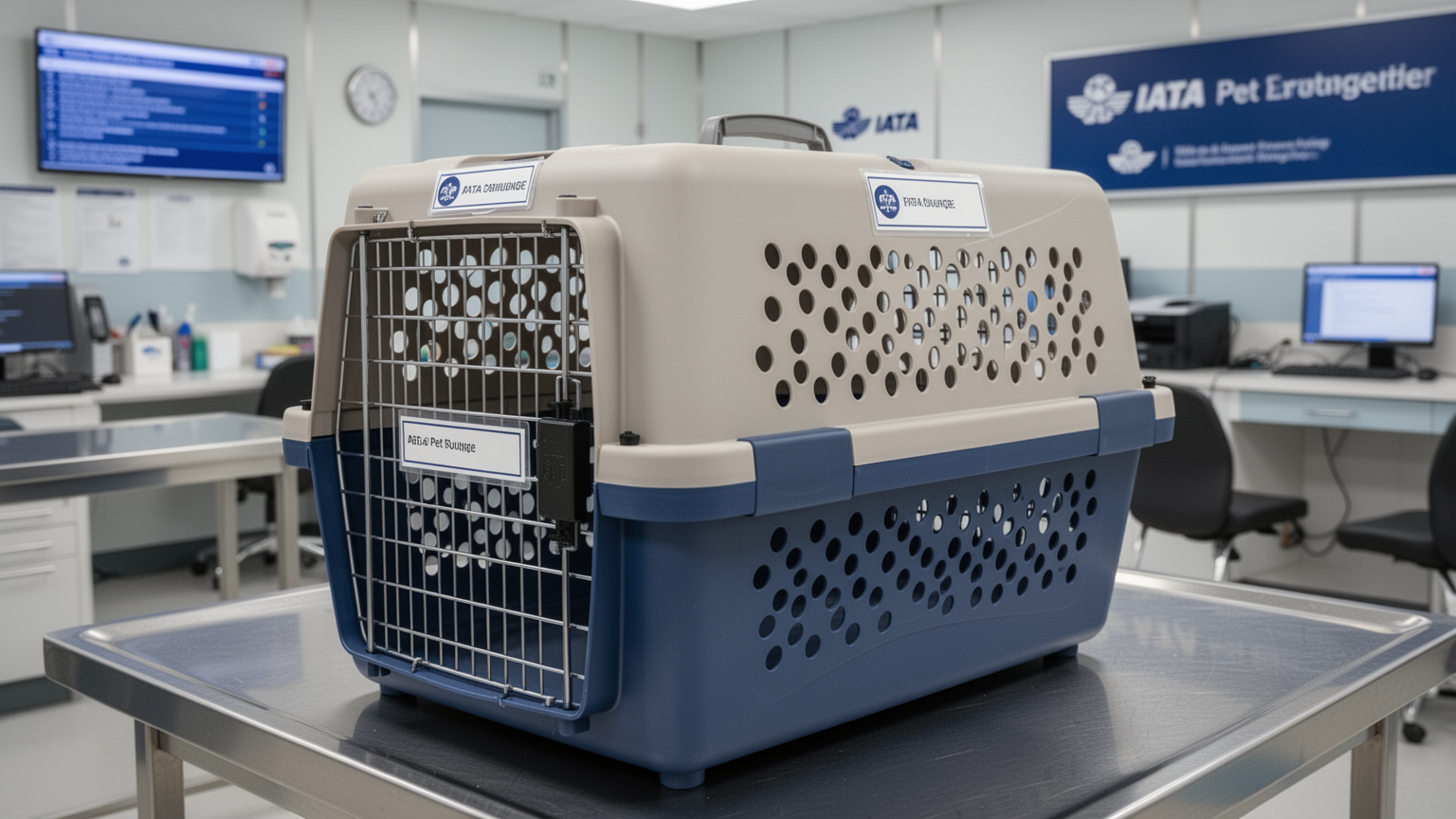
For any transport, the American Veterinary Medical Association (AVMA) recommends that pets travel in a secure crate or harness (never loose in a vehicle), have access to water, avoid extreme temperatures, and travel in daylight when possible. Stress during transport can trigger behavior changes, appetite loss, or health issues; a professional service trained to minimize stress reduces this risk.
Before long journeys, ask your vet whether your pet is medically fit to travel and whether any precautions (e.g., a calming supplement, short breaks on long drives) are needed. Never ask a transport service for medical advice-that's between you and your vet.
FAQ
Q: Do I need a permit or license to transport my own pet? A: No, personal transport of your own pet within the country doesn't require a permit. However, if you cross a border (even domestically to another region), you may need a health certificate from a vet. For international flights, a health certificate issued within 10 days of travel is mandatory.
Q: What should I do if my pet gets anxious or sick during transport? A: A professional transport service will have a protocol for this-usually contact you immediately and either pull over to calm the animal or head to an emergency vet. Before booking, ask what the driver's training is and what they'll do in a crisis. For your own transport, bring water, a familiar blanket, and travel only during cooler parts of the day if possible.
Q: How far in advance should I book a pet transport service? A: For local vet visits, 1-2 days is usually fine. For airport transport, book at least 3-5 days ahead. For international relocation, book 6-8 weeks in advance to allow time for health certificates, crating, and airline coordination.
Q: Is it safe to sedate my pet for transport? A: Sedation can reduce stress, but it carries risks and must be prescribed by a vet, not arranged by a transport service. Talk to your vet about whether it's appropriate for your pet's age, health, and the length of the journey. Many healthy, young pets don't need it.
Sources
- IATA - Live Animals Regulations - crate standards, ventilation, temperature control, and labeling requirements for animal air transport.
- AVMA - Pet Owners Resources - stress indicators, safe transport practices, and pre-travel vet consultation guidelines.
- AKC - Expert Advice - dog-specific transport best practices and behavioral management during travel.