Pet Nail Trimming in Thailand: Salon vs. Mobile vs. DIY-What Works for Your Pet
The best nail trimming option depends on your pet's temperament, your budget, and how hands-on you want to be-but the choice is easier once you understand the real trade-offs. This guide explains what each option costs you in time, money, and stress, what to watch for in Thailand's tropical climate, and how to spot a bad trim before your pet gets hurt.
Why Nail Trimming Matters (and Why It's Different in Thailand)
Overgrown nails cause real problems. They curl into the paw pad, change how your pet walks, and can lead to joint pain and posture damage over time. They're also more prone to splitting and infection-which matters more in Thailand's heat and humidity.
According to ASPCA Pet Care guidance, nails should be trimmed when they touch the ground as your pet stands, or when you hear them clicking on tile or wood. Most pets need trimming every 3 to 6 weeks, but frequency varies.
In Thailand, several factors speed up nail growth and infection risk:
- Humidity softens keratin (the material nails are made of), making nails grow faster and become more prone to splitting.
- Heat increases sweat and moisture around the paw pads, creating an environment where bacteria and fungi thrive-especially if a nail bed is exposed after trimming or injury.
- Wet floors and moisture in homes without good drainage increase the chance of infection if a nail is cut too short.
You may notice your pet's nails need trimming more often in Thailand than they would elsewhere. This is normal, and it's a reason to have a reliable trimming plan rather than leaving it to chance.
Salon Services: What to Expect and How to Choose
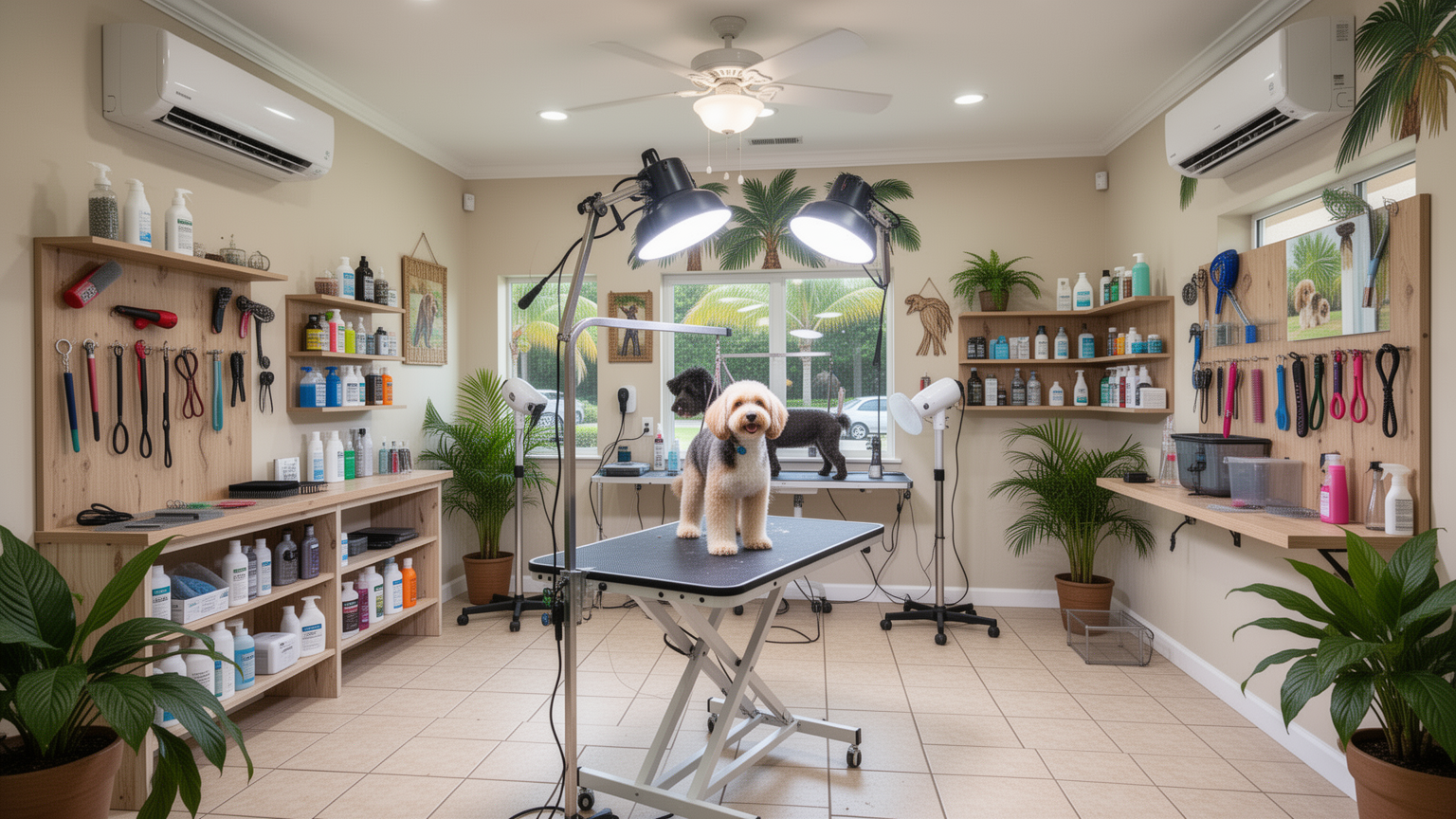
A professional grooming salon is the standard choice for most pet owners. A groomer uses proper clippers or a grinder, handles your pet safely, and trims nails to a safe length without hitting the quick (the blood vessel inside the nail).
What You're Paying For
A salon visit includes handling and restraint-the groomer knows how to keep a squirming or anxious pet still safely. They also have experience spotting problems like overgrown dew claws (the small toes higher up on the leg), infected nails, or signs of underlying joint or behavior issues.
Most salons in Thailand charge between 300-800 THB for nail trimming alone, depending on the area and whether you're using a full-service grooming salon or a smaller nail-only specialist. (Prices vary widely and change seasonally; ask first.)
Red Flags When Choosing a Salon
Before booking, ask these questions:
- Do they have separate workstations for nail trimming? A good salon won't rush nails between other treatments. They should have a clean, dedicated area.
- How do they handle anxious pets? Ask if they use calming techniques or if they recommend a vet visit first for very nervous animals.
- Can you watch, or do you stay in the waiting area? Some salons let you observe; others prefer to work alone. Either is fine-watch is reassuring, but some pets behave better without the owner present.
- What happens if your pet bleeds? They should have styptic powder (a powder that stops bleeding) on hand. Ask what their protocol is.
- Do they trim or just file nails? Clippers are faster for thick nails; grinders are gentler but take longer. Either is safe if done right.
When to Use a Salon
Salons are best if:
- Your pet is large, anxious, or has a history of nail injuries.
- You're new to pet ownership or new to Thailand and want a professional from the start.
- Your pet has thick, dark nails (harder to see the quick inside).
- Your pet's nails are already overgrown or infected.
Mobile Pet Services: Convenience vs. Trade-offs
Mobile groomers come to your home. They arrive with a van or truck equipped with bathing stations, grooming tables, and tools, or they work with just clippers and a portable table.
Pros
- No travel time or stress for your pet.
- Often faster (20-30 minutes for nails only).
- Useful if you have multiple pets or a pet with transportation anxiety.
- Some pets behave better at home.
Trade-offs
- Limited setup. A mobile groomer may have less-controlled lighting or work space than a salon.
- Less ability to handle emergencies. If your pet bleeds heavily or panics, a mobile groomer is further from a clinic.
- Harder to vet quality before booking. You can't visit the space first.
- Pricing. Mobile services often charge more (typically 400-1000 THB for nails) because of travel time.
- Availability. Mobile services in less urban areas may be harder to find or book.
When to Use Mobile Services
Mobile services make sense if:
- Your pet has severe transportation anxiety.
- You have multiple pets needing regular trimming.
- You live in a villa or standalone house where a van can access your property easily.
- Convenience is worth the extra cost for you.
DIY Nail Trimming: Tools, Technique, and When It Makes Sense
You can trim your pet's nails at home with the right tools and knowledge. Many owners do this successfully-but it requires care, the right equipment, and honest assessment of your pet's behavior.
Tools You Need
Two main options exist:

-
Guillotine or scissor clippers (~100-300 THB). Guillotine clippers work like a small guillotine; you slot the nail into a hole and squeeze. Scissor clippers look like shears. Both work; choose whichever feels steadier in your hand.
-
Nail grinder (~400-1200 THB). A small, handheld rotary tool that files the nail down. Slower than clippers but gives you more control and is gentler if you're worried about hitting the quick.
Also buy styptic powder (available at any pet shop or pharmacy)-essential if you cut too short and cause bleeding.
Key Safety Principles
According to VCA Animal Hospitals guidance, the quick-the pink or dark blood vessel inside the nail-should never be cut. For light-colored nails, you can see the quick as a small dot in the center. For dark nails, it's invisible, so you trim conservatively: cut only the hook-shaped part that curves under, and stop if you see a dark dot appear in the center of the nail.
The safest approach: trim less than you think you need to. You can always trim again in two weeks. You can't undo cutting the quick.
When DIY Works
DIY trimming is realistic if:
- Your pet has light-colored nails (easier to see the quick).
- Your pet is calm and cooperative during handling.
- You have someone to help restrain your pet if needed.
- Your nails are growing normally (not severely overgrown).
- You're willing to stop and take your pet to a vet if something goes wrong.
When NOT to DIY
Skip DIY and book a professional if:
- Your pet is aggressive, very anxious, or struggles during handling.
- Nails are already long or curled.
- Your pet has dark nails and you can't see the quick.
- Your pet has had a nail injury or infection before.
- You're uncertain about technique.
Tropical Climate Considerations: Frequency and Prevention
Thailand's heat and moisture affect nail care in ways you should plan for.
Nail Growth and Moisture
Nails grow faster in humid climates because moisture softens keratin and increases metabolic activity in the nail bed. You may find your pet needs trimming every 3 weeks instead of 6 weeks. This is normal-budget accordingly when choosing a service.
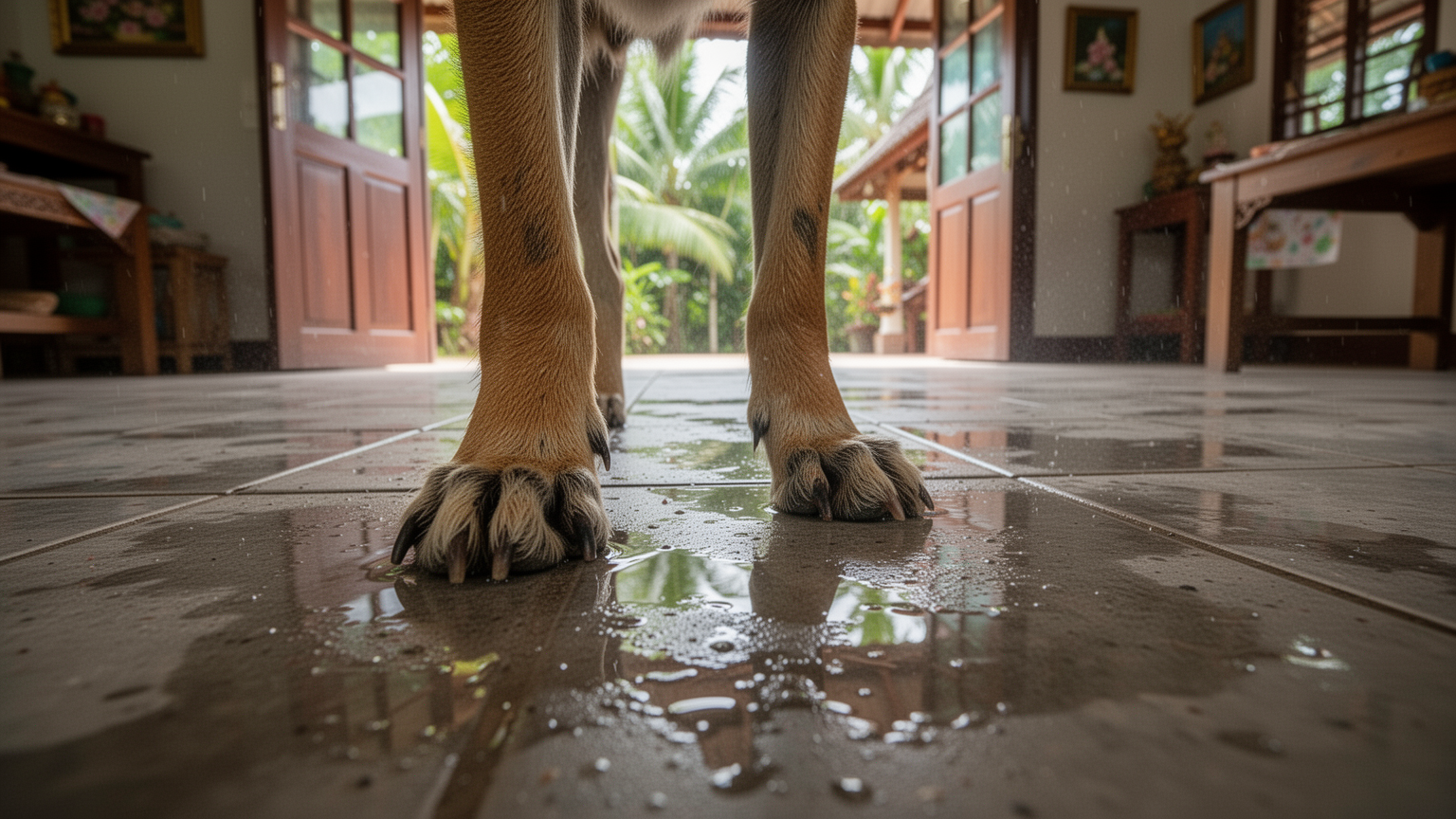
Walking barefoot on wet tile, concrete, or grass (common in tropical homes) also softens nails and makes them more prone to splitting. Trim more frequently if your pet spends time on wet surfaces.
Infection Risk
If a nail is cut too short, the exposed nail bed is vulnerable to bacterial or fungal infection, especially in warm, moist conditions. Signs of infection include:
- Redness or swelling around the nail bed.
- Discharge or pus.
- Your pet licking or chewing at the foot excessively.
- Limping or reluctance to put weight on the paw.
If you see any of these, contact a vet. Don't assume it will resolve on its own-tropical infections can spread quickly.
Prevention Tips
- Keep paw pads dry after walks or wet weather.
- Trim nails before they get very long; longer nails are more fragile.
- If you're doing DIY, err on the side of trimming less rather than more.
- Schedule trimming every 3-4 weeks during the hot, wet season rather than every 6 weeks.
Common Mistakes and Safety Red Flags
Mistakes That Hurt Your Pet
- Cutting too short. This is the most common error. The quick bleeds, it's painful, and it can get infected. If it happens once, don't panic-apply styptic powder and contact your vet. But it's a sign that method isn't working and you should switch.
- Using blunt clippers. Dull clippers crush the nail rather than slice it cleanly, causing splintering and pain. Replace clippers every 1-2 years or if they feel dull.
- Trimming in poor light. You can't see the quick in dim light. Always trim in bright, natural light.
- Rushing an anxious pet. If your pet is panicking, stop. Force makes things worse. Book a professional or use a calming strategy (like treats or a helper) and try again.
Red Flags From a Groomer or Salon
- They won't let you ask questions about their process.
- Your pet comes home with bleeding nails or a painful paw.
- They trim very short ("to make it last longer")-this is dangerous.
- They can't explain what tools they used or how they decided nail length.
- Your pet shows signs of stress or injury after visits.
If you see these signs, get a second opinion from your vet and switch providers.
FAQ
How often should I trim my pet's nails in Thailand? Most pets need trimming every 3 to 4 weeks due to Thailand's humid climate, which softens nails and increases growth rate. Some pets with longer nail beds can go 5 to 6 weeks. If you hear nails clicking on the floor, they're ready for a trim.
What's the difference between a grinder and clippers? Clippers cut the nail in one motion and are faster, but give less control on dark nails. Grinders file the nail gradually, give you more time to stop before hitting the quick, but take longer and some pets dislike the vibration and noise. Both are safe in skilled hands. If your pet is calm and your nails are dark, a grinder is safer for DIY.
What should I do if I cut my pet's nail too short and it bleeds? Apply styptic powder immediately, hold pressure for 30 seconds, and keep your pet calm. The bleeding will stop. If bleeding is heavy, won't stop after 10 minutes, or your pet is in pain, contact a vet. Watch the nail over the next few days for signs of infection (redness, swelling, discharge). If infection develops, see a vet for antibiotics.
Can I use human nail clippers on my pet? No. Human clippers are curved and designed for flat nails. Pet nails are round and require guillotine or scissor clippers designed for that shape. Using the wrong tool crushes the nail and causes pain and splintering.
My pet has very dark nails and I'm nervous about the quick. What should I do? Use a professional groomer or switch to a grinder if doing DIY. If using a grinder, file conservatively; stop immediately if you see a dark dot appear in the nail center-that's the quick. For dark nails, it's always safer to trim less and trim more often. There's no shame in using a professional for this reason; many owners do.
What if my pet gets an infected nail? Contact a vet. Don't assume it will clear on its own. A vet can diagnose the infection, prescribe antibiotics if needed, and check that the nail bed isn't permanently damaged. Infections can spread and cause lasting problems if left untreated.
Sources
- ASPCA Pet Care - Nail care and grooming - guidance on safe nail length, trimming frequency, and anatomy.
- VCA Animal Hospitals - Pet nail care and health - information on the quick, infection risk, bleeding management, and tropical climate impact on nail health.
- AKC Expert Advice - Grooming and nail care - breed-specific nail growth rates and activity-level considerations.