How to Find and Hire a Trustworthy Overnight Pet Sitter: A Bangkok Pet Owner's Guide
Finding someone reliable to care for your pet overnight while you travel or work unpredictable hours is one of the biggest worries for busy pet owners. The good news: you can hire a trustworthy overnight pet sitter by knowing what to look for, what questions to ask, and what realistic standards exist in your local market. This guide walks you through vetting sitters, understanding pricing, spotting red flags, and preparing your pet for their first overnight stay.
What Is Overnight Pet Sitting and Why You Need It
Overnight pet sitting means a professional carer comes to your home-usually for 8 to 12 hours or longer-to feed, exercise, provide medication, and give attention to your pet while you're away. Unlike boarding facilities, the sitter stays in your home or visits multiple times through the night.
Why this matters for you: If you travel frequently or work shifts that leave your pet alone overnight, a sitter keeps your pet in a familiar environment and on their normal routine. Your cat or dog doesn't have the stress of a strange facility, loud noise, or confinement. Your pet stays in their own space and gets personalized care.
For expatriates and frequent travelers in your region, overnight sitting is often more practical and less stressful than boarding-and sometimes more affordable too.
How to Find and Vet an Overnight Pet Sitter
Start where other pet owners look: online platforms that list pet-care providers, word-of-mouth referrals from your veterinarian or expat community, and local social media groups for pet owners. Each method has a different advantage.
Online platforms and directories let you browse multiple sitters, read reviews, and compare rates quickly. They often include background checks and insurance information. Personal referrals from people you trust-your vet, a friend whose pet you know-give you real experience to lean on. Social media and expat groups are good for recent recommendations and honest feedback from people in similar situations to yours.
Once you have names or profiles, move to vetting. Do this before you meet:
-
Check if they have professional experience. Look for sitters who mention prior pet-sitting work, training, or certifications. Anyone handling your pet overnight should have real experience, not just be a pet lover trying to earn extra money.
-
Ask about insurance and bonding. Professional pet sitters often carry liability insurance (in case something breaks in your home) and some are bonded (meaning they're covered if something goes wrong). This protects both of you.
-
Confirm they understand your pet's needs. If your pet has medical needs, anxiety, or behavioral quirks, a sitter should be willing to discuss these upfront and sound comfortable handling them.
-
Look for local references. Ask for contact details of previous clients in your area who can confirm the sitter showed up on time, treated their pet well, and communicated clearly.
Don't skip this step. A bad reference or evasion is often a better warning sign than lack of formal credentials.
The Meet-and-Greet: What to Discuss and Evaluate
Before you hire anyone, schedule a face-to-face or video meet-and-greet. This is your chance to see how they interact with your pet and to ask detailed questions. A good sitter will be willing to spend 30 to 45 minutes on this-not rush through it.

During the meet, cover these topics:
-
Daily routine and feeding. Ask them to walk through what they'll do each hour or during each visit. How will they handle feeding times, medication, exercise, and playtime? Do they know what your pet eats and any dietary restrictions?
-
Pet behavior and quirks. Tell them about your pet's personality, fears, and triggers. Does your dog bark at visitors? Does your cat hide when scared? A good sitter will listen carefully and ask follow-up questions.
-
Emergency protocols. What happens if your pet seems sick, injured, or acts strangely? They should have a plan: will they call you first, take the pet to an emergency vet, or contact your regular veterinarian? Get their process in writing.
-
Communication and updates. How often will they text or call you? Do they send photos or videos? Will they provide a written report at the end? Clarity here prevents surprises.
-
House access and security. How will they get in? Will they use a key, access code, or smart lock? Who else knows about this arrangement? A professional sitter should respect your home security and have clear protocols.
-
Your pet's reaction to them. Watch how your pet responds. Do they seem relaxed, curious, or wary? A good sitter should let your pet approach at their own pace and not force interaction. Your instinct matters here.
Red flags during the meet:
- They seem uncomfortable around your pet or dismissive of your concerns.
- They won't discuss emergencies or act vague about procedures.
- They rush through the conversation or seem reluctant to answer questions.
- Your pet reacts with stress or fear-trust this signal.
Overnight Pet Sitter Pricing in Bangkok: What to Expect
Pricing for overnight pet sitting varies based on several factors, and understanding the range helps you budget and spot overpricing or suspiciously cheap offers.
What affects price:
-
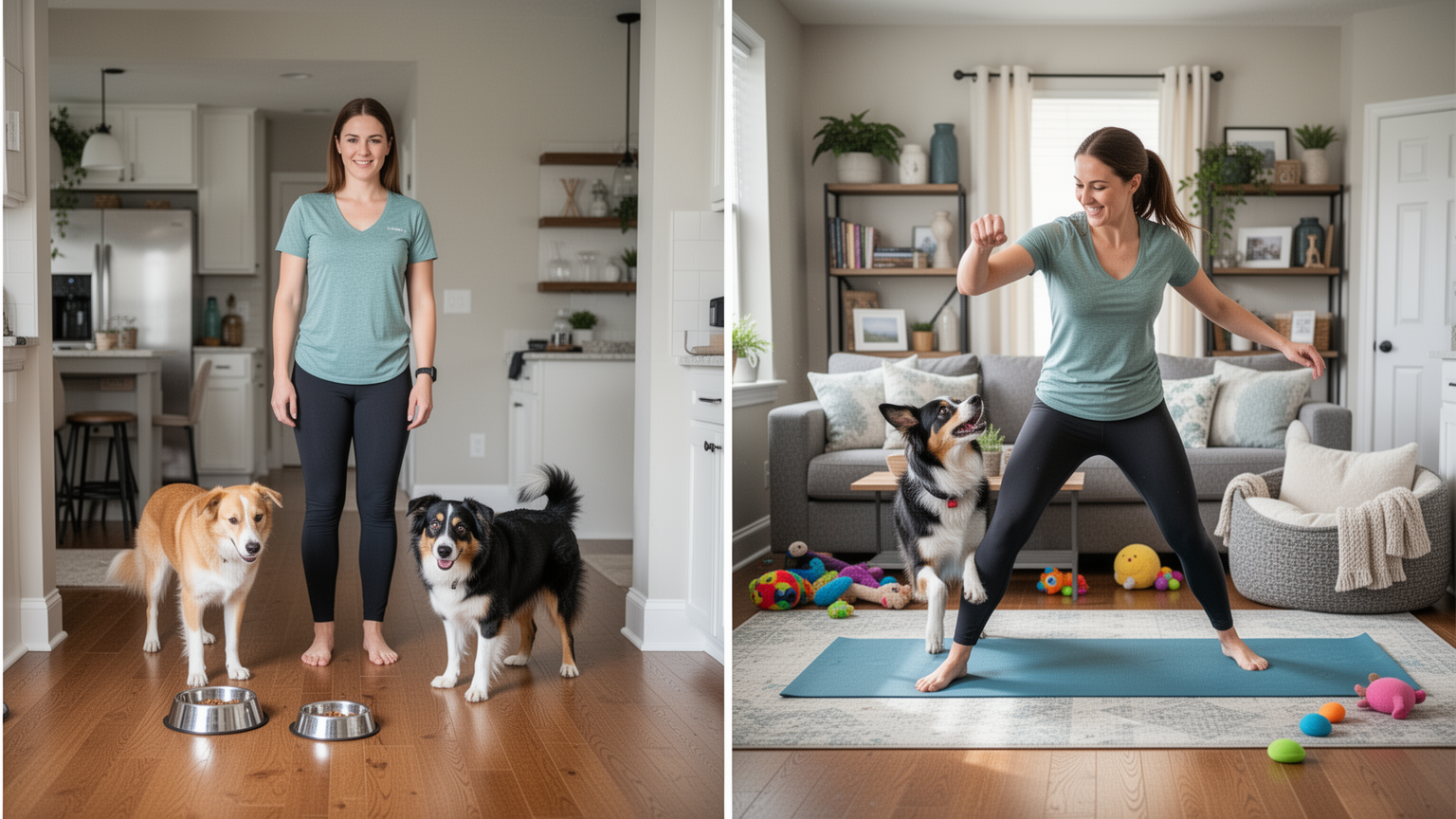
Duration. A full 12-hour overnight stay costs more than a 2-hour evening visit. Some sitters charge per hour; others have flat overnight rates.
-
Pet count. Adding a second or third pet to the same visit usually adds 20-40% to the price, not a full extra charge per pet.
-
Services included. Basic feeding and fresh water are standard. Exercise, play, multiple feeding times, medication administration, or special tasks (like watering plants) may increase the fee.
-
Sitter experience and credentials. A sitter with professional training, certifications, or experience with nervous or special-needs pets often charges more-and it's worth it.
-
Last-minute or irregular bookings. If you need a sitter on short notice or at odd hours, expect a premium.
Realistic range: In your local market, overnight pet sitting typically falls between 800-2,500 baht per night for standard care of one pet, depending on the factors above. High-end sitters with certifications or experience with anxious or elderly pets may charge toward the upper end or beyond. Budget pet-care services may undercut this, but they often have less experience or provide minimal communication.
Don't choose based on price alone. A sitter who's 30% cheaper but doesn't answer questions, won't provide updates, or has no verifiable experience is not a bargain-they're a risk.
Red Flags and Certifications (PSI and Beyond)
What is PSI certification and does it matter in your market?
Pet Sitters International (PSI) is a US-based professional organization that certifies pet sitters who meet training and ethical standards. Certified members have passed exams on pet health, behavior, emergency response, and business practices. However, PSI certification is not common outside the United States and is rare in your region.
This doesn't mean overnight sitters in your area are unreliable or unqualified. Many excellent local sitters have years of experience, strong reputations, and deep knowledge of local pet needs-without PSI credentials. PSI certification is an aspirational standard, not a requirement to be trustworthy.
What matters more locally: References from other pet owners, clear communication, demonstrated experience, liability insurance (where available), and how they handle emergencies. If a sitter has PSI or similar formal training, that's a bonus-but absence of it isn't a dealbreaker if other credentials are solid.
Real red flags to watch for:
-
No insurance or mention of liability. If something breaks or your pet is injured and they have no coverage, you're exposed.
-
Unwillingness to discuss emergencies. A professional sitter has a clear plan for what to do if your pet seems ill or injured.
-
No references or only recent ones. If they can't name a single past client you can contact, that's a warning.
-
Vague or inconsistent answers. If their description of what they'll do changes from conversation to conversation, or they seem unfamiliar with pet care basics, move on.
-
Pressure to pay upfront in full. A reasonable deposit or partial payment is normal, but full prepayment for a service you haven't yet received is risky.
-
Poor communication or unresponsiveness. If they're hard to reach before you hire them, they'll be harder to reach when you're away.
Preparing Your Pet and Home for an Overnight Sitter
Once you've hired a sitter, preparation ensures everything goes smoothly.
For your pet:
-
Build familiarity. If possible, have the sitter visit once or twice before the overnight stay so your pet gets used to them. Per ASPCA guidance on pet welfare, reducing stress through gradual familiarity is important for anxious pets.
-
Update medical records. Make sure the sitter has your pet's vaccination and health history, any medication instructions, and current photos in case they need to describe your pet to a vet.
-
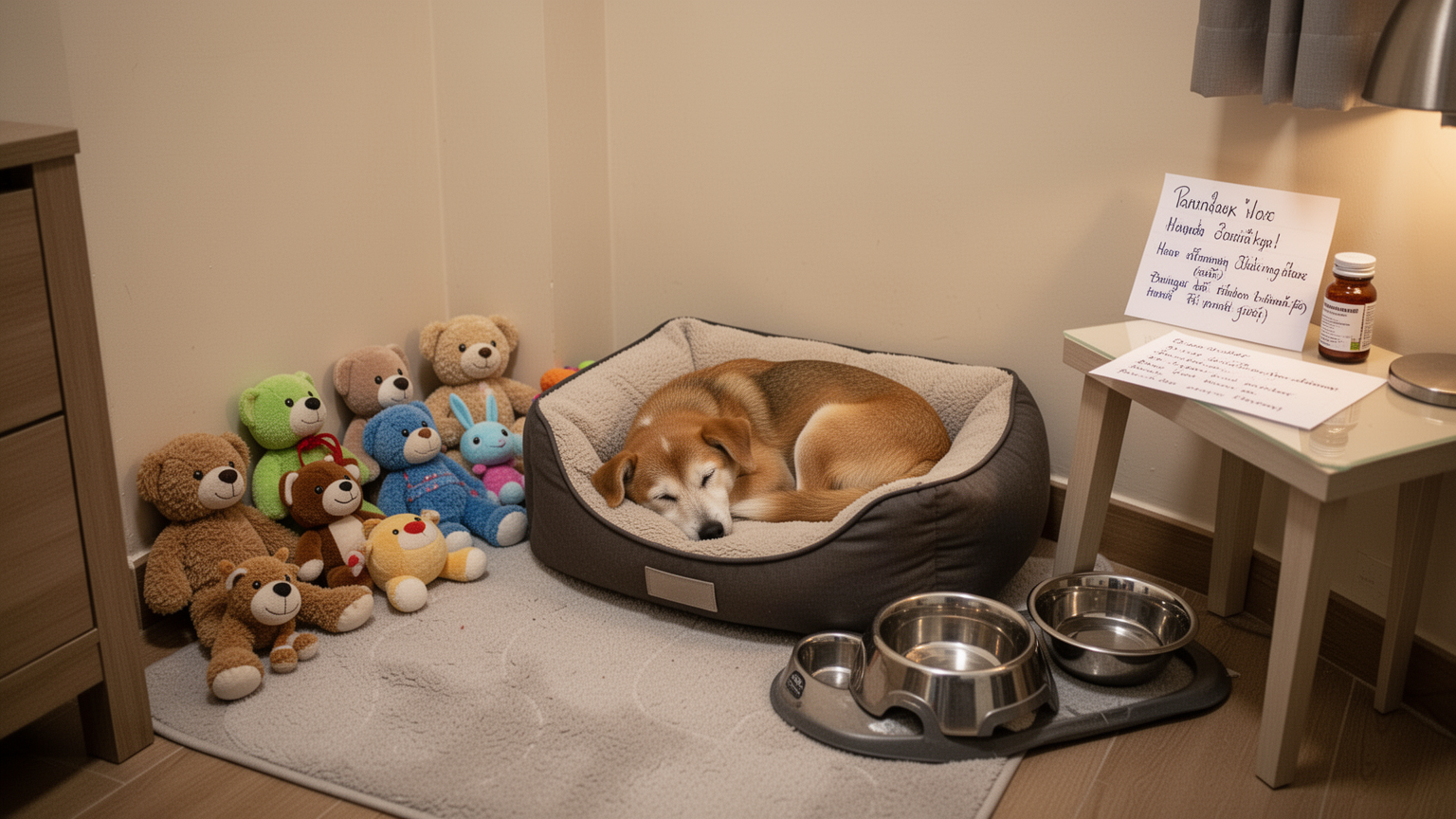
Leave comfort items. Toys, blankets, or items with your scent can help your pet feel calm during your absence.
-
Maintain routine. Sitters do their job better when they follow your pet's normal schedule. Write down exact feeding times, exercise times, and bedtime routines.
For your home:
- Leave clear written instructions. Don't rely on the sitter remembering verbal details. Write down:
- Pet food type, amount, and feeding times
- Medication details with administration timing
- Your pet's behavior quirks and how to handle them
- Your veterinarian's contact details and emergency vet location
-
Your contact information and an emergency backup contact
-
Secure valuables. While a good sitter is trustworthy, it's standard practice to put valuables away-not because you suspect theft, but because accidents happen.
-
Ensure home safety. Make sure hazardous items (medications, cleaning supplies, toxic foods) are out of reach. The sitter should be able to care for your pet without managing your household chaos.
-
Test access. If you're using a key or code, make sure the sitter can actually get in. Do a dry run if possible.
Per AKC expert advice, clear communication about your dog's routine and personality significantly reduces stress for both the dog and the sitter.
FAQ
How much notice should I give a pet sitter before I book them?
Aim for at least one week, more during high-travel seasons or holidays. Last-minute bookings (24-48 hours) are possible but incur premiums and limit your choice of sitters. Longer notice gives you more options and the sitter time to prepare.
What if my pet has medical needs or behavioral issues?
This is non-negotiable information for your sitter. Discuss it in detail during the meet-and-greet. If your pet has anxiety, special medication needs, or behavioral concerns, hire a sitter with experience handling similar situations. Some behavioral or medical issues should be reviewed by a veterinarian or certified behaviorist before you leave the pet in a sitter's care.
Should I do a test overnight stay with a new sitter before a long trip?
Yes, if possible. A one-night trial run while you're still in town lets you see how things go without the added stress of being away. Your pet gets accustomed to the sitter, and you verify that everything works as planned.
What should I do if something goes wrong during an overnight stay?
This depends on the severity. For minor issues (your pet didn't eat much, seemed anxious), discuss it calmly with the sitter afterward-it's often a one-time adjustment. For serious problems (injury, signs of illness), the sitter should contact you and/or an emergency vet immediately. Afterward, decide whether the sitter is still a good fit or if you need to find someone else.
Can I use the same sitter repeatedly, or should I rotate sitters?
Consistency is usually better for your pet. If you've found a trustworthy, reliable sitter, using them for multiple stays lets your pet build familiarity and confidence. The sitter also learns your pet's personality and preferences over time. Rotating sitters is unnecessary unless you're traveling so frequently that one sitter isn't available.
Sources
Pet Sitters International - Find a Pet Sitter - professional standards and certification information for pet sitters.
ASPCA Pet Care - pet health, wellness, and safety guidance for pet owners and caregivers.
AKC Expert Advice - dog care, behavior, and communication tips for dog owners.