How to Find and Choose a Trustworthy Cat Groomer in Thailand
Finding a qualified cat groomer you can trust starts with knowing what to look for and what questions to ask before you book. Most pet owners in Thailand are familiar with dog grooming, but cat grooming is different-cats have different stress responses, handling requirements, and grooming needs. Once you understand these differences and know which credentials and behaviors matter, you'll be able to spot a genuinely skilled groomer from one who's simply offering a service.
Why Cat Grooming in Thailand Matters
In Thailand's warm, humid climate, cats can struggle with matting, skin issues, and overheating-especially longhaired breeds and indoor cats. Professional grooming isn't always essential, but when it is needed, the right groomer makes the difference between a safe, calm experience and one that stresses your cat and potentially causes injury.
This article will help you understand when grooming is actually necessary, how to evaluate a groomer's qualifications and temperament, where to find options, and what to ask before your first appointment. By the end, you'll feel confident choosing someone who handles your cat safely.
How Professional Cat Grooming Differs from Dog Grooming
This is the first thing to understand, because a groomer skilled with dogs may not be safe with cats.
Cats are prey animals. They don't respond to commands or correction the way dogs do, and they become frightened quickly. According to International Cat Care, stress during grooming can trigger serious behavioral and health problems-including refusing to use the litter box, hiding, or aggression. A groomer who relies on speed, restraint, or dominance techniques used successfully on dogs can traumatize a cat.
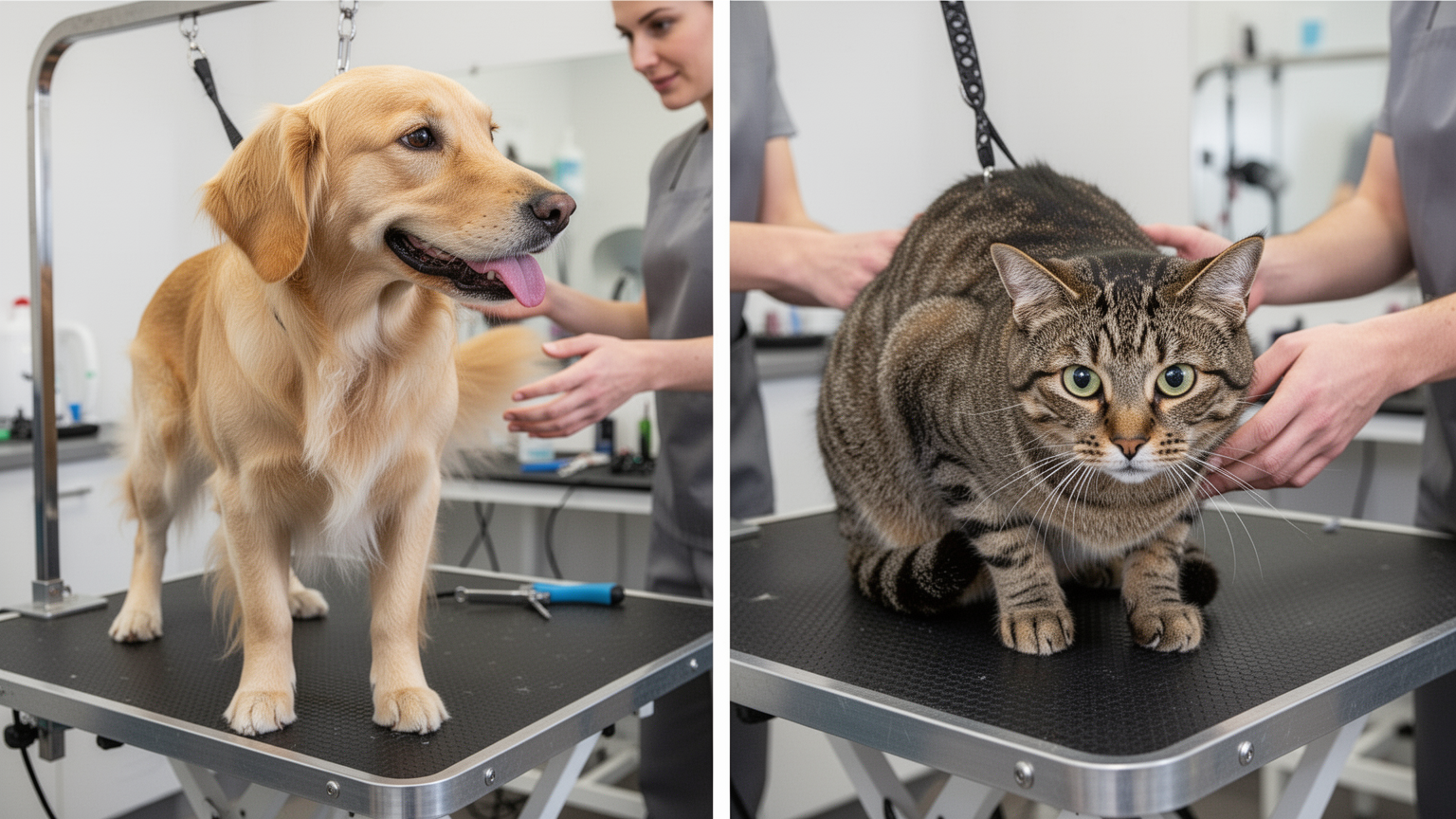
The physical differences matter too. Cats have thinner, more sensitive skin than dogs. A groomer needs different clipper blade sizes, speeds, and handling to avoid clipper burn or cuts. Their bath water temperature, drying technique, and nail trimming approach must all account for cats being smaller and more easily injured.
Behaviorally, cats communicate stress differently. A dog may sit still and tolerate handling even when uncomfortable. A cat will struggle, bite, or freeze-and freezing can be mistaken for calm compliance when the cat is actually in extreme fear.
A groomer who works regularly with cats understands these differences and adjusts their technique accordingly. When you're evaluating groomers, one of your key questions should be: "What percentage of your clients are cats, and how long have you been grooming cats specifically?" Someone who grooms cats regularly develops the speed, touch, and reading skills that make the experience safer and faster for your cat.
How Often Does Your Cat Need Professional Grooming?
This depends entirely on your cat's coat, age, and health-not just on breed or length.
Per ASPCA guidelines, most cats groom themselves adequately and don't need professional grooming. However, professional grooming becomes necessary in specific situations:
- Longhaired cats that are matted. Mats are painful and can trap moisture against the skin, causing infections. Once mats form, they can't be brushed out safely-they need clipping.
- Cats with health conditions affecting grooming. Obesity, arthritis, or dental disease can make self-grooming difficult or impossible.
- Senior cats. Older cats often lose the flexibility and energy to groom themselves thoroughly.
- Cats that won't tolerate home brushing. If your cat resists regular brushing at home, mats will eventually form.
- Cats with skin conditions or ear issues. A groomer can assess whether bathing or specialized cleaning would help.
If your cat is young, healthy, and you brush regularly at home, professional grooming might never be necessary. But if matting has started, or your cat can't groom themselves due to age or illness, professional help prevents pain and secondary infections.
The best first step is to ask your veterinarian whether your cat would benefit from grooming. They can spot early signs of problems you might miss.
What to Look for in a Trustworthy Cat Groomer
When you're comparing grooming options, these are the things that actually predict quality and safety.
Experience with cats specifically. Not "I groom cats sometimes"-but someone who has groomed cats regularly for years. Ask how many cats they groom per week and whether they've completed any formal training in cat handling or behavior.
Calm, quiet handling. Watch how they move and speak. Do they rush? Do they talk loudly? Cats read energy quickly. A groomer who works slowly, speaks softly, and takes breaks when a cat is stressed shows they prioritize the cat's wellbeing over speed.
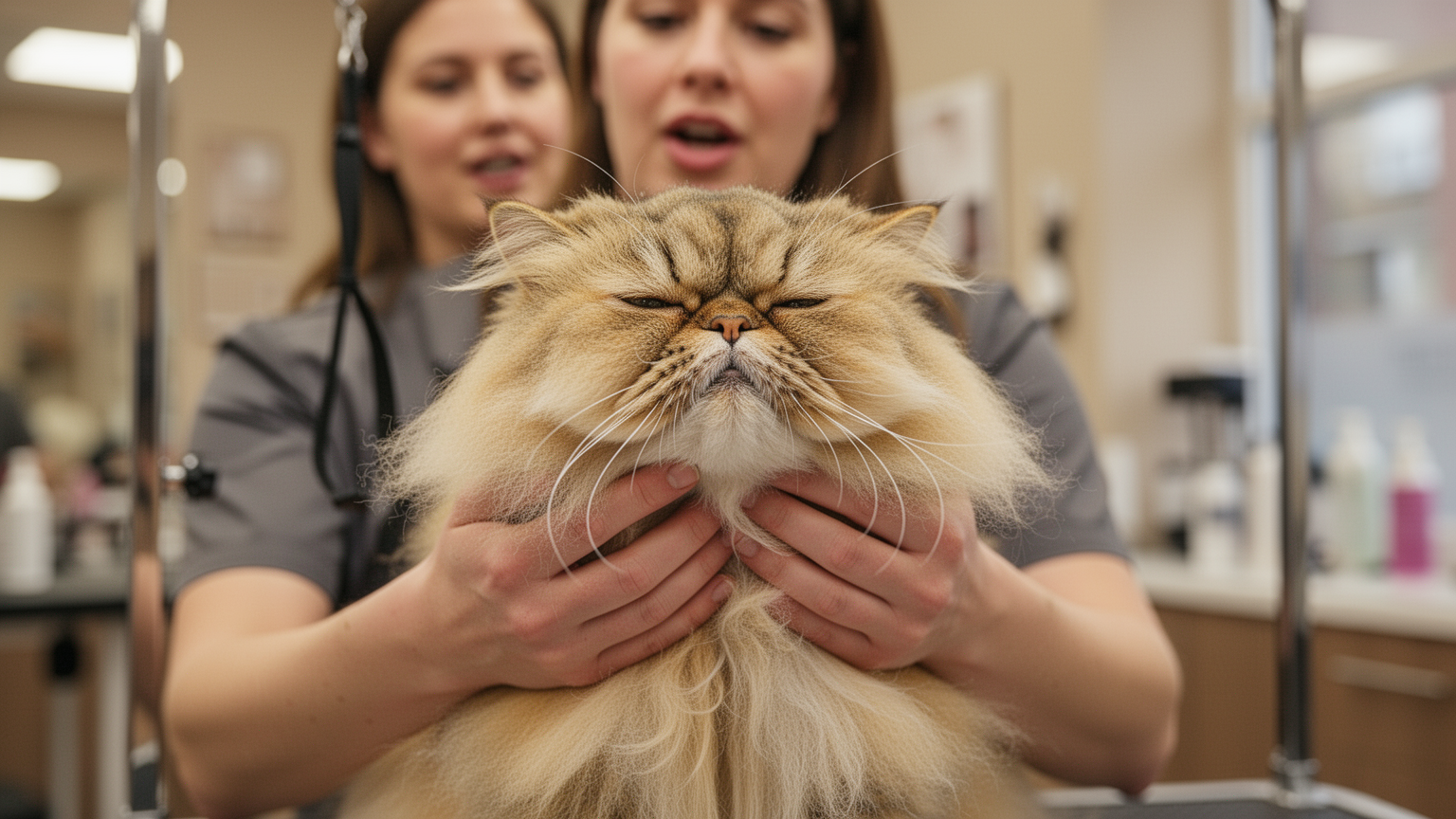
Knowledge of when grooming is appropriate. A good groomer won't groom a cat that's too stressed, very young, pregnant, or ill. They should ask about your cat's health history and age before proceeding. VCA Animal Hospitals emphasizes that grooming can be dangerous for cats with certain health conditions, and a responsible groomer will refer you to a veterinarian if they're unsure.
Safe equipment and facilities. Groomers should use appropriate clipper blades for cats, maintain clean work areas, and have safe handling tables with non-slip surfaces. Ask whether they work alone or have an assistant. Working alone can be safer for anxious cats (fewer people), but it also means they can't take breaks if the cat becomes stressed.
Clear communication about limitations. A honest groomer will tell you what they can and cannot do. For example, some cats can't tolerate full baths; a good groomer might suggest a dry shampoo or spot cleaning instead. They should explain what they'll do, what they won't do, and why.
Willingness to answer your questions. Before booking, you should be able to call or message and ask about their process, experience, and policies. If someone is dismissive or rushes you off the phone, that's a sign they don't prioritize communication.
Finding Cat Groomers Near You in Thailand
There are several ways to search for groomers in your area.
Online directories and review sites. Search for "cat grooming" or "grooming salon" on Google Maps, or use local business directories. Look for places that mention cats in their services-not just dogs. Read recent reviews carefully; pay attention to comments about how the cat was handled and whether the owner felt their concerns were heard.
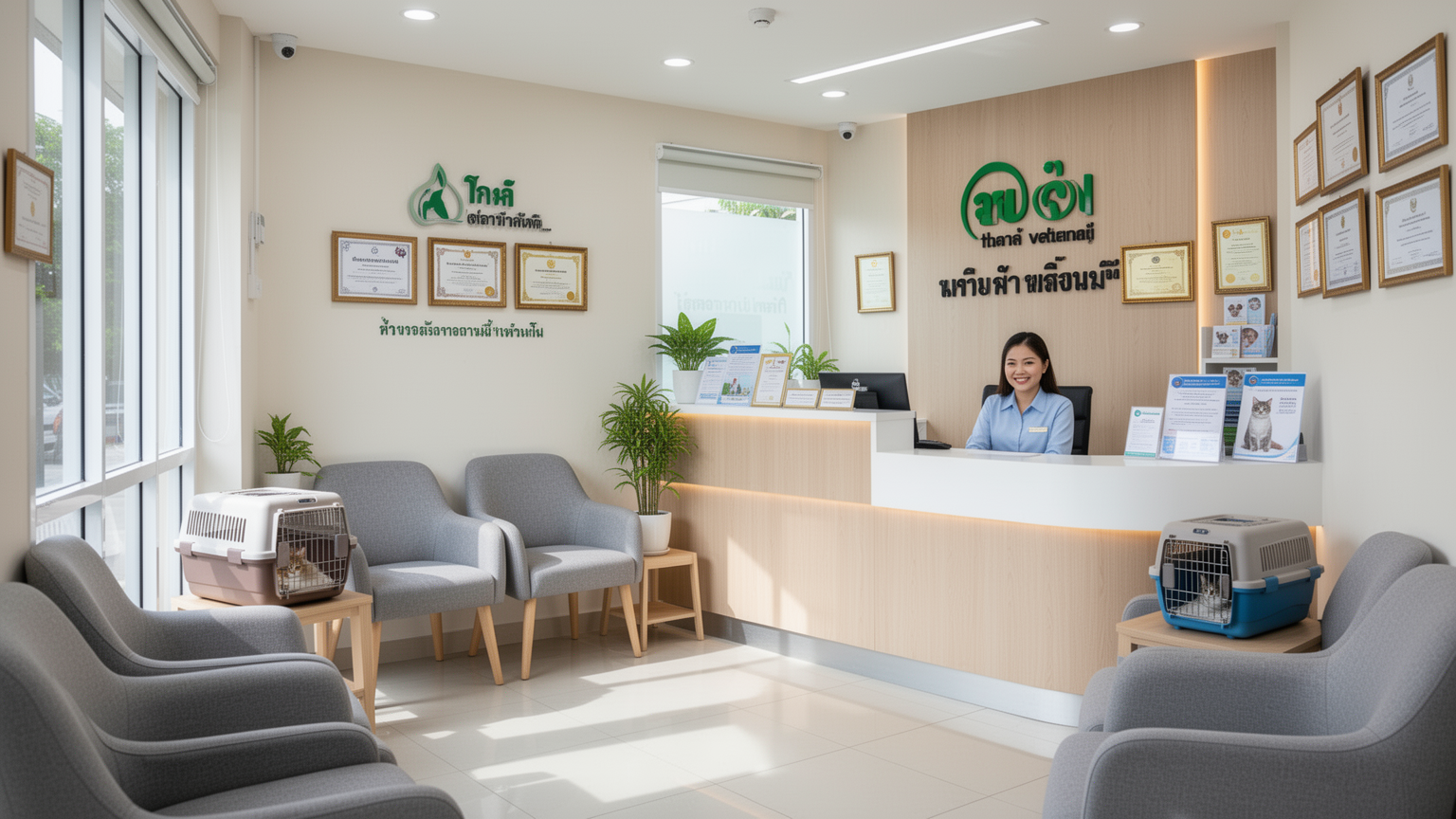
Veterinary clinics. Your vet's office almost certainly has recommendations. Vets work with groomers regularly and know which ones handle cats well and which ones they'd avoid. This is often the most reliable source.
Social media and local pet groups. Facebook groups for pet owners in your area often have recommendations. Ask specifically: "Who do you trust with cat grooming?" and pay attention to people who explain why they recommend someone, not just the name.
Word of mouth from other cat owners. If you know someone locally with a longhaired cat, ask who they use. Personal experience is valuable.
When you find a potential groomer, the next step is not to book immediately-it's to call or visit and ask the questions in the section below.
Questions to Ask Before Booking
Before you commit to an appointment, get these answers. A good groomer will answer directly and patiently.
-
"How long have you been grooming cats, and what percentage of your clients are cats?" You want someone with years of specific cat experience, not a dog groomer who adds cats occasionally.
-
"What is your process if my cat becomes very stressed during grooming?" Listen for answers like "I take a break," "I stop and reschedule," or "I use a smaller area." Red flags are "I just hold them firmly" or "most cats calm down after a few minutes."
-
"Can you bathe my cat, or do you only do dry grooming?" Some groomers only do dry grooming (brushing, nail trimming, ear cleaning). Some offer baths. Some refuse to bathe cats because they're difficult. Know what's available before you book.
-
"Do you have experience with my cat's age and health?" If your cat is very young, very old, overweight, or has a health condition, mention it. A good groomer will either confirm they can handle it or refer you to a vet first.
-
"How long will grooming take, and can I stay in the waiting area?" This sets expectations. Some groomers prefer owners to wait outside so the cat isn't distracted; others are fine with you nearby. Know which type they are.
-
"What's your cancellation or rescheduling policy?" Sometimes cats aren't ready on the day of an appointment due to stress or illness. A good groomer has a flexible policy.
-
"Do you sedate cats, or work only on conscious cats?" Sedation requires a veterinary prescription and should only be done by a vet, not a groomer. If they mention sedation, ask whether a vet is involved.
Red Flags and Safety Concerns
Stop and look elsewhere if you notice any of these.
Groomer has little or no cat experience. If they're primarily a dog groomer or won't clearly state how long they've worked with cats, trust your instinct and keep looking.
They pressure you to book without questions. A trustworthy groomer expects questions. If they rush you or seem annoyed by your concerns, that's a sign they don't value safety or communication.
They use handling methods that sound rough. Phrases like "I just hold them down," "cats need to learn," or "they calm down quickly if you don't give them attention" reflect a misunderstanding of cat stress and fear. International Cat Care emphasizes that force and restraint increase stress and can cause long-term behavioral damage.
They won't discuss health or age. If they groom your cat without asking about age, medications, or existing health conditions, they're not screening for risk. VCA Animal Hospitals notes that certain conditions make grooming dangerous or contraindicated-a responsible groomer will ask.
No clear facilities or equipment. If you can't see where your cat will be groomed, or they describe using dog clippers on cats, the facility isn't suitable.
They don't offer observation or communication. You should be able to check in during grooming or receive updates. Total invisibility during the appointment is a red flag.
Unusually low prices. In Thailand, pricing varies widely, but if a quote seems extremely low compared to others, it may reflect corners being cut-whether on time, care, or handling.
If something doesn't feel right, trust that feeling. There are other groomers, and a bad experience can set your cat back months.
FAQ
Q: Will grooming stress my cat permanently?
A: One grooming experience won't cause permanent damage, but repeated stressful grooming can. That's why choosing a calm, experienced groomer matters so much. A positive first experience actually makes future grooming easier, not harder.
Q: My cat has never been groomed. How do I prepare?
A: Start by brushing your cat at home regularly for a few weeks so they're used to being handled. Keep the first grooming appointment short-just a bath and nail trim, not a full groom. Let your groomer know it's the first time, and don't rush. Some cats need multiple short visits before they're comfortable.
Q: Can I ask the groomer to sedate my cat so they stay calm?
A: Sedation must be prescribed and administered by a veterinarian, not a groomer. It carries real risks and should only be considered for specific medical reasons. Talk to your vet if you're concerned about your cat's anxiety; they can advise whether sedation is appropriate, not the groomer.
Q: What should I do if my cat comes home with injuries or seems traumatized?
A: Contact your vet if there are visible injuries-even small cuts can become infected in the warm climate. If your cat seems traumatized (hiding, refusing to eat, aggression), give them space and comfort, then consult your vet. Don't return to that groomer. You can also file a complaint with the salon if the injury was due to negligence.
Q: How long does a typical cat grooming take?
A: A basic groom-bath, dry, nails, ears-usually takes 1.5 to 3 hours depending on the cat's coat and temperament. A stressed cat may take longer because the groomer needs to take breaks. Ask your groomer for an estimate before booking.
Sources
International Cat Care - Advice on cat grooming and stress management - Guidance on cat behavior, stress signals, and the welfare implications of grooming practices.
ASPCA Pet Care - General cat grooming and care guidelines - Standards for grooming frequency, handling safety, and when professional grooming is necessary.
VCA Animal Hospitals - Know Your Pet client education - Information on health conditions that affect grooming safety and when veterinary referral is appropriate.