Hip Dysplasia in Dogs: Treatment Options and Recovery in Thailand
Yes, surgery is sometimes necessary - but not always. Whether your dog needs an operation depends on the severity of the hip joint damage, your dog's age and weight, how much pain they're in, and how well they respond to non-surgical care. Many dogs do improve significantly with rehabilitation alone. Others benefit from surgery. A few need both. The best path forward comes from an honest assessment by a veterinarian who has examined your dog in person.
This guide will help you understand what hip dysplasia is, how to spot it early, what treatment looks like, and how to find capable care in Thailand.
What Is Hip Dysplasia and Why It Matters
Hip dysplasia is a condition where the hip joint doesn't fit together properly. Instead of the ball of the thigh bone sitting snugly in the hip socket, there's looseness or laxity - the joint is slack. Over time, this abnormal movement causes wear and tear on the cartilage, leading to osteoarthritis (bone-on-bone damage).
The condition develops over months or years, not overnight. A dog can be born with the potential for hip dysplasia (it has a genetic component), but environmental factors matter too - rapid growth, excess weight, and high-impact activity in young dogs can make it worse.
Why it matters: untreated hip dysplasia progresses. Early joint damage is often reversible with the right intervention. Advanced arthritis is not. The difference between catching it at stage two versus stage four is the difference between your dog staying mobile and pain-free versus becoming stiff, reluctant to move, and dependent on pain medication.
The good news is that hip dysplasia is not an emergency, and having a diagnosis does not automatically mean surgery. It means you have information, and information lets you choose the best path.
Early Detection: Signs and Diagnostic Timeline
Recognizing the early signs matters because intervention is most effective when the joint is still relatively healthy.
Watch for these signs:

- Reluctance to jump, climb stairs, or get into a car
- A bunny-hopping gait (both back legs move together instead of alternating)
- Stiffness after rest, especially in the morning
- Difficulty standing up from lying down
- Limping or favoring one or both back legs
- Reluctance to play or exercise
- Reduced range of motion in the hip
Some dogs show symptoms as puppies (as early as 4-8 months old). Others develop signs gradually as they age. A few have significant joint damage on X-ray but show almost no symptoms - these dogs are usually caught during routine screening or when examined for an unrelated problem.
If you notice any of these signs, book a vet appointment. The veterinarian will perform a physical exam, checking for hip pain using specific movement tests. Based on this exam, they may recommend X-rays to see the exact shape and fit of the joint. According to AVMA clinical guidelines, X-rays are the standard for confirming hip dysplasia and assessing its severity.
The entire diagnostic process typically takes one to two weeks from first appointment to final images.
Non-Surgical Management and Rehabilitation
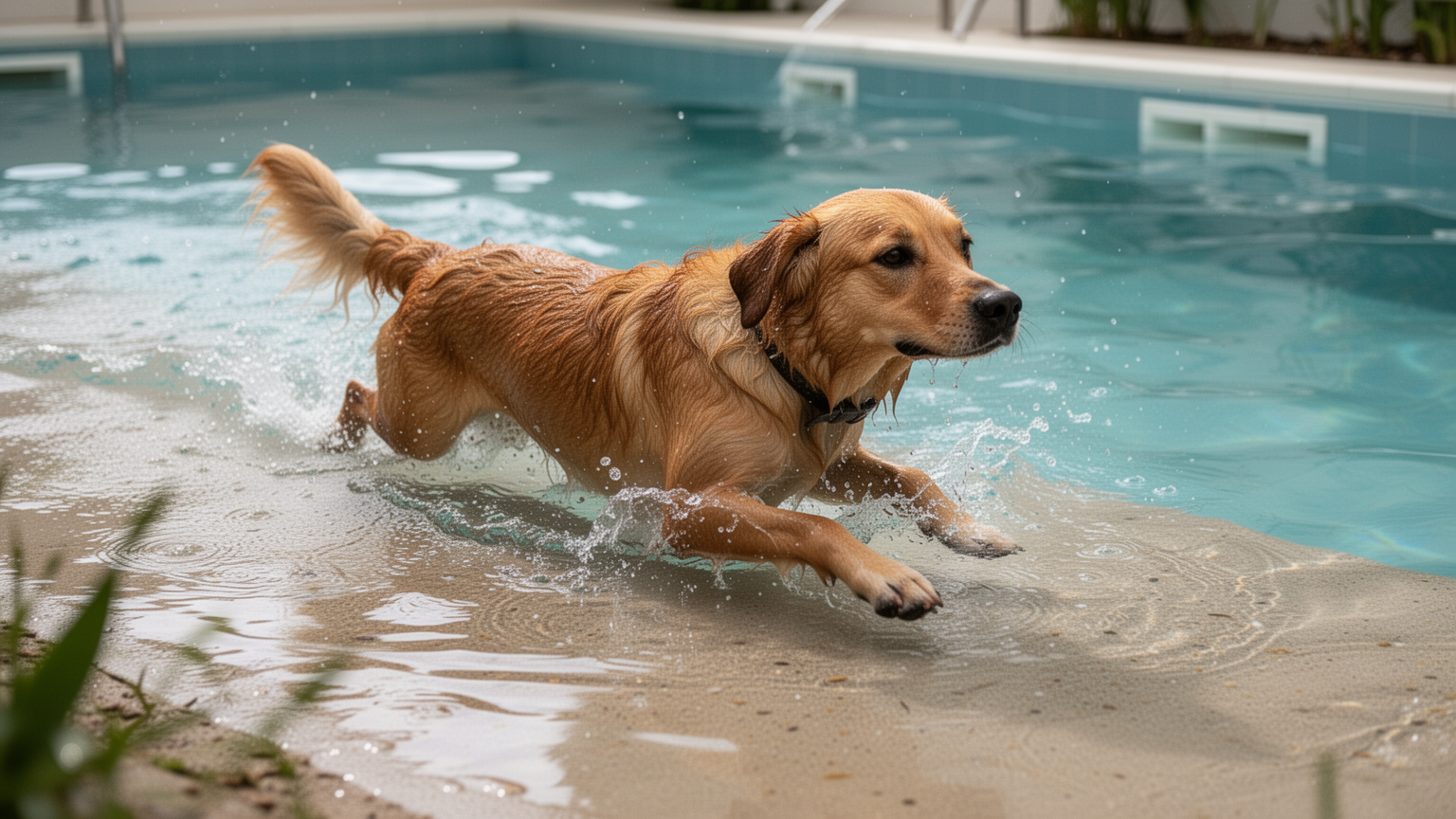
Non-surgical treatment is the starting point for most dogs, regardless of how severe the dysplasia is. It works for mild-to-moderate cases and can slow or halt progression even in more advanced disease.
Core elements of non-surgical management:
- Weight management - excess weight increases stress on the joint. If your dog is overweight, losing even 10-15% of body weight often reduces pain noticeably.
- Controlled exercise - not no exercise, but structured activity. Short walks several times a day are better than one long hike. Swimming or hydrotherapy is ideal because water supports the joint.
- Pain relief - your vet may prescribe nonsteroidal anti-inflammatory drugs (NSAIDs) to reduce pain and inflammation. These allow your dog to move more comfortably, which helps muscle support develop.
- Joint supplements - glucosamine and chondroitin are commonly used. They do not cure dysplasia, but some evidence suggests they slow cartilage breakdown. Talk to your vet about whether they're worth trying for your individual dog.
- Home modifications - orthopedic bedding, ramps instead of stairs, and easy access to food and water reduce strain.
Rehabilitation (often called physiotherapy) is a structured program of exercises designed to strengthen the muscles around the hip joint. Strong muscles take load off the joint itself. A rehabilitation specialist will teach you exercises your dog can do at home - things like sit-to-stand repetitions, controlled walking on slopes, or balance work. You then do these exercises with your dog daily or several times a week.
According to VCA Animal Hospitals, rehabilitation programs typically run for 4-12 weeks depending on your dog's condition and how quickly they improve. Many owners see noticeable improvement in mobility and pain levels within the first month.
Non-surgical management works best if you're consistent and realistic. It requires time, discipline, and commitment. It's not a one-time treatment - it's an ongoing lifestyle approach. But it often keeps dogs comfortable for years.
Surgical Options and When They're Recommended
Surgery is recommended when non-surgical management has been tried and hasn't worked well enough, or when the joint damage is so severe that surgery offers the best chance of long-term comfort.
The two most common surgical procedures are:
1. Femoral head ostectomy (FHO) The surgeon removes the ball of the thigh bone (the femoral head). This eliminates the abnormal friction at the joint. The body gradually forms scar tissue that creates a false joint. Dogs adapt well and can return to near-normal function. FHO works best in smaller dogs (under 25 kg). Recovery takes 8-12 weeks.
2. Total hip replacement (THR) The surgeon replaces the damaged joint with an artificial one - much like the surgery done in humans. This is the most effective long-term solution and works for dogs of any size. The artificial joint restores normal anatomy and function almost completely. Recovery takes 12-16 weeks, and the surgery requires significant expertise and specialized equipment.
There are other procedures (pelvic osteotomy, for example), but FHO and THR are the most widely available.
Surgery is worth considering if:
- Your dog is in significant pain despite 3-4 months of proper non-surgical management
- Your dog is young enough to recover well (most surgeons are comfortable operating on dogs from 6 months to 10 years old, depending on overall health)
- The affected joint shows severe arthritic changes on X-ray
- Your dog's quality of life is noticeably limited
Surgery is less likely to help if:
- Your dog is very old or has serious health problems that make anesthesia risky
- You cannot commit to proper post-operative rehabilitation
- Cost is prohibitive and you've found non-surgical management acceptable
The AVMA notes that surgical outcomes depend heavily on proper rehabilitation afterward. Surgery alone is not a cure - recovery requires weeks of controlled activity, specific exercises, and follow-up monitoring.
Finding Quality Veterinary Care in Thailand
Quality matters more than price when your dog has a complex condition. A thorough evaluation and honest treatment plan from an experienced vet will serve your dog better than a cheaper diagnosis from someone less skilled.
Look for these markers of a well-equipped clinic:
- AAHA accreditation or equivalent, which indicates the facility meets standards for equipment, staffing, surgical protocols, and record-keeping
- On-site X-ray capability (essential for diagnosis; many clinics outsource imaging, which adds delay and cost)
- Veterinarians with postgraduate training or certification in orthopedic surgery or rehabilitation
- Experience treating hip dysplasia - ask how many cases they see annually
- A rehabilitation program or relationship with a certified rehabilitation specialist
- Clear communication about what they can and cannot do in-house (some clinics refer complex cases to larger hospitals)
When you call or visit a clinic, don't hesitate to ask directly:
- "Has a vet here diagnosed and managed hip dysplasia before?"
- "Can you do X-rays here, or will you need to send them out?"
- "If surgery is recommended, will the surgery happen here or do you refer?"
- "What does your post-operative rehabilitation look like?"
- "Can you provide references from other dog owners?"
A good clinic will answer these questions clearly and honestly, including what they cannot do. If a vet is vague or dismissive, that's a yellow flag.
Rehabilitation and Recovery: What to Expect
Whether your dog receives surgery or follows non-surgical management, rehabilitation is the engine that drives improvement.
In the first week or two: Your vet will likely restrict activity. This means short leash walks only (5-10 minutes), no jumping, no rough play, and rest in a comfortable bed. Pain medication keeps your dog comfortable. You're letting acute inflammation settle.
Weeks 2-4: If prescribed, rehabilitation exercises begin. These are gentle and specific - your vet or a rehabilitation specialist will show you exactly how to do them. Examples include:
- Sit-to-stand: your dog stands from a sitting position, 10-15 repetitions, once or twice daily
- Cavaletti poles (low poles placed on the ground): your dog steps over them at a walk, improving hip and knee strength
- Incline walking: walking up a slight slope engages hip muscles
- Controlled swimming or hydrotherapy: water support reduces joint stress
You'll do these at home. Most dogs find them manageable.
Weeks 4-12: Exercise gradually increases. If your dog is healing well, you'll move from short walks to slightly longer ones, introduce controlled play, and progress exercises. This is where you see real improvement - dogs often become noticeably more mobile during this phase.
Recovery timeline:
- Non-surgical management: 4-12 weeks to see major improvement; ongoing management for life
- FHO surgery: 8-12 weeks to full recovery
- THR surgery: 12-16 weeks to full recovery
Don't rush it. Rehabbing too quickly can set progress back. Most vets recommend sticking to the schedule even if your dog seems ready to do more.
Expect setbacks. Some dogs have a week where they limp more, or the pain seems to return. This is normal. Usually it's because they overdid activity or the weather changed (some dogs are sensitive to barometric pressure). Stay the course. The trend matters more than day-to-day variation.
FAQ
Q: Can diet or supplements alone cure hip dysplasia? No. Diet and supplements can support joint health and help manage inflammation, but they cannot reverse the structural damage of hip dysplasia. They're useful as part of overall management, alongside exercise and weight control, but they're not a substitute for proper veterinary care.
Q: At what age should I stop considering surgery? There's no hard cutoff. Age alone isn't the barrier - overall health is. A healthy 10-year-old dog may be a better surgery candidate than a 6-year-old with heart disease. Your vet will assess whether anesthesia and surgery are safe for your individual dog, regardless of age.
Q: How much will treatment cost? Costs vary widely depending on the severity, the clinic, and whether surgery is needed. Non-surgical management (vet visits, X-rays, medication, rehabilitation) typically ranges from moderate to expensive over time since it's ongoing. Surgery is a larger upfront cost but may reduce long-term expenses if it works well. Ask your vet for an estimate specific to your dog's situation.
Q: Will my dog need pain medication forever? Not necessarily. Some dogs on non-surgical management need long-term pain relief. Others improve enough that they need medication only during flare-ups. Dogs that have successful surgery often need little to no pain medication after recovery. Ask your vet what the realistic expectation is for your dog based on the severity of the dysplasia and their response to initial treatment.
Q: If I have another dog, will hip dysplasia happen to them too? Hip dysplasia has a genetic component, so there's a higher risk if a sibling or parent was affected. But genetics aren't destiny - environment (weight, exercise, growth rate) also matters. Talk to your vet about screening recommendations for any other dogs you have or plan to get.
Sources
American Veterinary Medical Association - Pet owner resources - diagnostic criteria and surgical indications for hip dysplasia
VCA Animal Hospitals - Know your pet - rehabilitation protocols and post-operative recovery expectations
American Animal Hospital Association - Your pet - hospital accreditation standards for quality assessment