Grooming Your Aging Dog: Keeping Comfort First as Their Body Changes
Yes, you can keep your aging dog comfortable during grooming as they grow older-and it starts with knowing what changes to expect, recognizing when your dog is stressed, and being willing to adapt. Many owners worry they're failing their dogs by changing grooming routines, but the opposite is true. Adjusting how and when you groom your senior dog is an act of care, not compromise.
This guide walks you through the physical changes that happen as dogs age, how to spot stress signals, practical adaptations you can make, and grooming options designed for older dogs-including services you may not have considered yet.
Understanding Senior Dog Life Stages and Grooming Shifts
Your dog enters their senior years around age 7, though this varies by size and breed. According to AAHA's canine life-stage guidelines, large breed dogs may reach senior status earlier (around age 5-6), while smaller dogs may not until age 9-10. The point isn't a birthday-it's that their body starts changing in ways that affect grooming safety and comfort.
What shifts during the senior stage? Their skin becomes thinner and more fragile. Their joints stiffen. They tire more easily. They may have less tolerance for standing, handling, or temperature changes. Some develop arthritis, cognitive changes, or sensory loss. None of this means your dog can't be groomed. It means grooming needs to happen differently.
This is also the time to check in with your veterinarian before scheduling grooming. If your dog has arthritis, heart disease, or skin conditions, your vet can flag what the groomer needs to know and whether any adaptations are necessary.
Age-Related Changes That Affect Grooming: What to Expect
Senior dogs experience predictable physical changes. Knowing what's normal helps you prepare and communicate with your groomer.
Skin and coat changes: Skin loses elasticity and becomes drier. Coats may thin, become coarser, or develop uneven growth. Mats form more easily. According to AKC senior dog care guidelines, grooming frequency may need to increase to prevent matting, but individual sessions should be gentler and shorter.

Joint and mobility issues: Standing for long periods becomes uncomfortable or painful. Dogs may struggle to balance during bathing or hold positions while being dried. This is particularly true for dogs with arthritis or spinal stiffness.
Sensory changes: Vision and hearing decline. Your dog may not hear the groomer's voice and could startle easily. They may not see steps or obstacles clearly, increasing fall risk.
Temperature sensitivity: Senior dogs regulate body temperature less efficiently. A long bath, wet coat, or air-conditioned grooming room can leave them feeling cold or exhausted.
Cognitive changes: Some older dogs develop anxiety or confusion, especially in unfamiliar environments. Grooming stress can trigger or worsen these signs.
Tooth and skin sensitivity: If your dog has dental disease or skin conditions, their face may be painful to touch. Ears may be sensitive. This matters during bathing and drying.
None of these changes mean your dog shouldn't be groomed. They mean grooming sessions need to be shorter, warmer, calmer, and more frequent in smaller doses.
Grooming Adaptations for Common Senior Dog Conditions
Here's how to modify your grooming approach based on what your dog is experiencing.
For arthritic or stiff joints: Request shorter grooming sessions (30-45 minutes instead of 2 hours). Ask the groomer to minimize the time your dog stands. Consider wiping baths (warm water on a washcloth) instead of full submersion. Ensure your dog can easily get in and out of any bathing area-no high tubs or slippery surfaces. After grooming, keep your dog warm and let them rest; don't expect them to exercise immediately.
For dry or sensitive skin: Use lukewarm water, never hot. Ask about fragrance-free or hypoallergenic shampoos. Skip baths entirely if your dog's skin is severely compromised-spot-cleaning with dry shampoo or warm cloths may be enough. Your vet can recommend specific products.
For hearing or vision loss: Let the groomer know before arrival. Your dog may need extra warning before being touched or repositioned. Keep the environment calm and avoid sudden movements. Some groomers use hand signals or gentle pressure instead of voice commands.
For anxiety or cognitive changes: Shorter visits (even 20 minutes) can reduce overwhelm. Some dogs do better with grooming at home, where their environment is familiar and you're present. Others benefit from a quiet, dimly lit grooming space away from other animals.
For tooth or ear sensitivity: Flag this upfront. Your groomer can avoid or minimize handling those areas. If ear cleaning is necessary, ask your vet first-senior dogs with ear sensitivity may have underlying infections that need treatment before grooming.
These aren't optional extras. Per VCA Animal Hospitals' guidance on senior pet care, communication with your groomer about health conditions directly affects safety and reduces stress for your dog.
In-Home and Mobile Grooming in Thailand: When and Why to Switch
Many owners assume grooming happens at a salon. For senior dogs, home-based or mobile grooming often works better. Here's why, and what to consider.
In-home grooming (groomer visits your house) removes travel stress entirely. Your dog stays in a familiar environment, avoids exposure to other animals, and has you nearby if they're anxious. The groomer can take breaks without pressure, and you can pause if your dog shows discomfort. Sessions are typically more expensive than salon grooming, but stress reduction is often worth the cost. Ask the groomer if they bring all equipment and water, or if you need to provide certain things (like a safe bathing area).
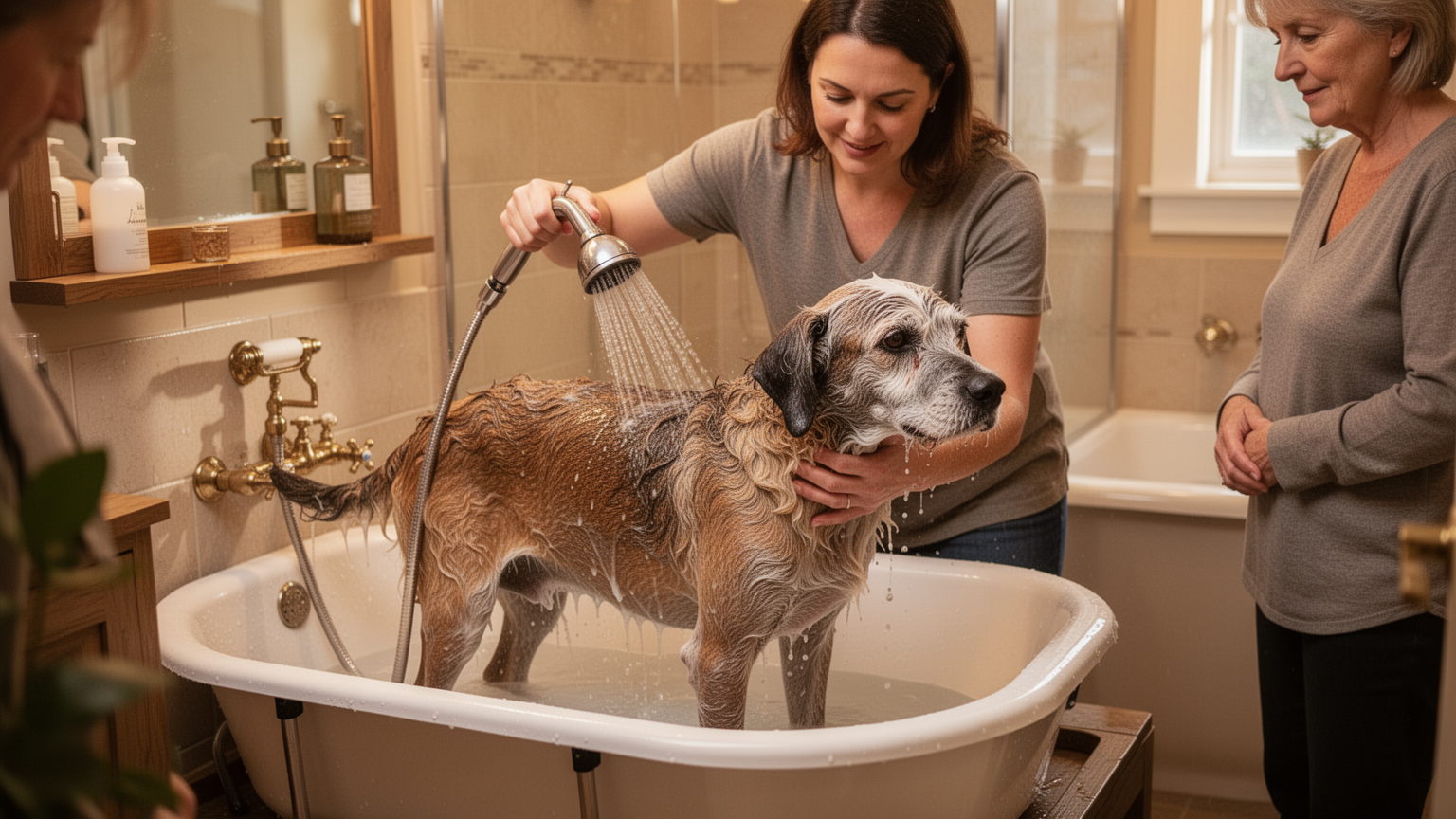
Mobile grooming (groomer arrives in an equipped vehicle) is a middle ground. Your dog stays in your neighborhood, reducing travel time and exposure to unfamiliar places. You can be nearby. It's still pricier than salon grooming but may be less expensive than fully in-home service, depending on the groomer's setup.
When should you consider switching from a salon? When your dog: - Becomes anxious or aggressive during car trips - Takes hours to recover after grooming - Has difficulty standing or balancing in a salon setting - Seems frightened by other dogs or unfamiliar spaces - Has health issues requiring a calm, temperature-controlled environment - You notice their stress signals increasing over time
In-home or mobile grooming isn't universally available or affordable, and that's real. Availability depends on demand in your area and groomer scheduling. Cost ranges significantly. But if your dog is struggling with salon grooming and you have the budget, it's worth exploring. Many groomers who offer these services specialize in senior dogs and understand the adaptations needed.
What Your Groomer Needs to Know: Communication Checklist
Before your dog's grooming appointment, provide clear information. Use this checklist to prepare:
- Age and senior status: "My dog is 9 years old and I consider them senior."
- Mobility issues: "They have mild arthritis in their hind legs. Please minimize standing time and avoid slippery surfaces."
- Health conditions: "They have a heart murmur. Please keep the session calm and under 45 minutes." (Always get vet approval before grooming if there's cardiac involvement.)
- Sensory changes: "My dog is hard of hearing. Please use gentle pressure instead of voice commands."
- Skin or coat concerns: "Their skin is dry. I'd like lukewarm water and a gentle shampoo, not medicated."
- Sensitive areas: "Their ears are tender. Please avoid cleaning inside the ears."
- Anxiety or behavioral notes: "They're nervous around strangers. A calm approach helps."
- Bathroom habits: "They have some incontinence. They may need frequent bathroom breaks."
- Your contact: Leave a phone number. Ask to be called immediately if your dog shows signs of distress.
This isn't overcomplicated. It's the difference between a groomer who knows what to expect and one who learns by trial and error on your dog. A good groomer welcomes this information.
Reading Your Dog's Stress Signals: When to Pause or Stop
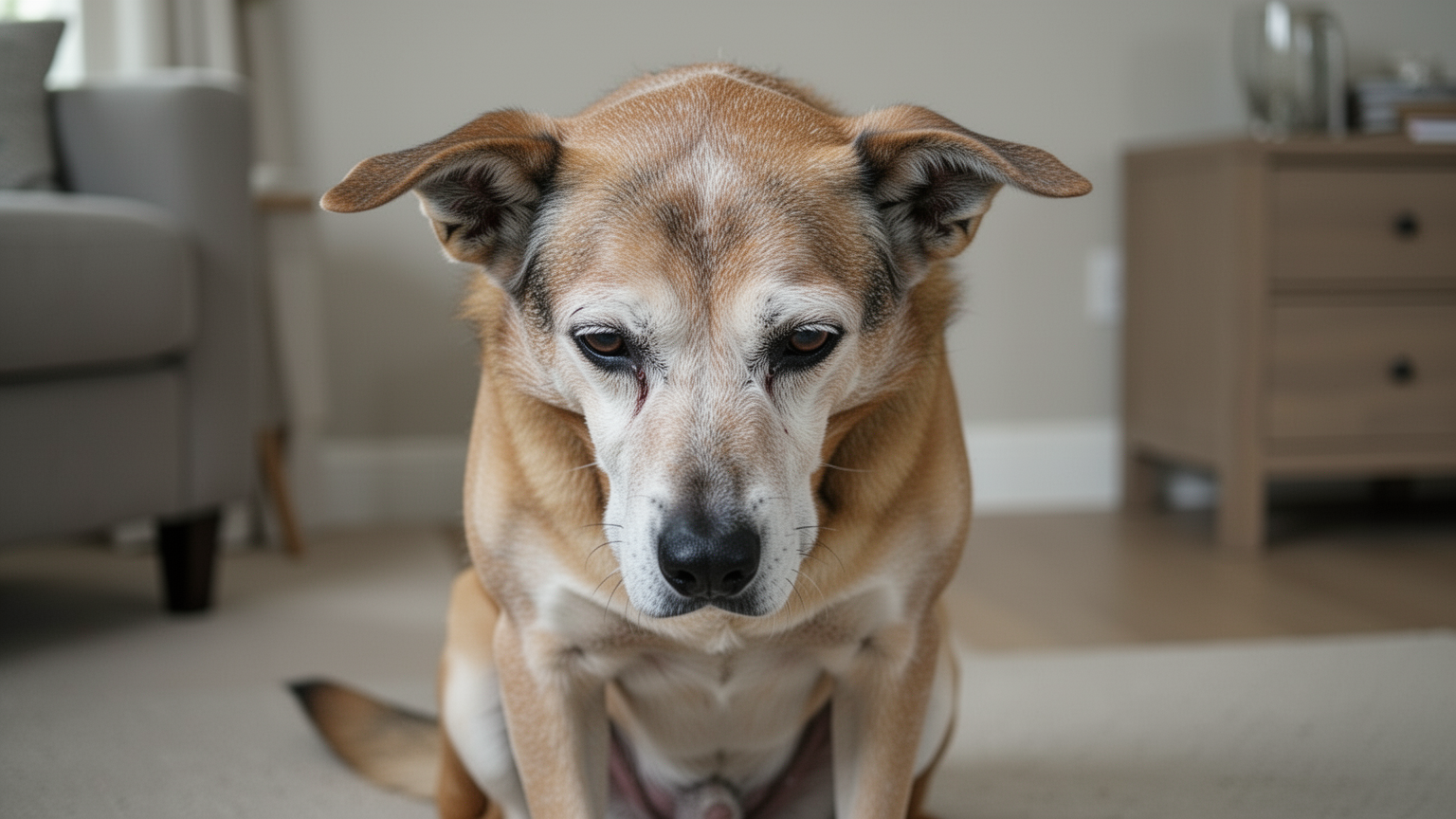
One of the hardest things for owners is recognizing when grooming is causing real distress-and giving yourself permission to stop or change course.
Per VCA Animal Hospitals' client guidance on stress recognition, these signs indicate your dog is stressed:
- Trembling, panting, or excessive drooling during or immediately after grooming
- Reluctance or refusal to enter the grooming space or car
- Aggression, growling, or snapping (even out of character for your dog)
- Loss of appetite for several hours after grooming
- Withdrawal or hiding for the rest of the day
- Increased accidents (urination or defecation) during or after grooming
- Behavioral changes like increased anxiety, sleep disruption, or reactivity that wasn't there before
Not all older dogs handle grooming calmly. Some truly cannot tolerate the stress, and that's okay. You have options:
-
Reduce grooming frequency or scope: Bath every 4-6 weeks instead of 4. Spot-clean between full baths. Trim nails at home or have a vet do it during regular visits.
-
Switch to gentler methods: Waterless baths, dry shampoo, warm-water wipe-downs instead of full submersion.
-
Skip certain tasks: If full grooming causes stress, do only nail trims and ear cleaning (if needed). Skip baths entirely and focus on brushing to manage mats.
-
Stop salon grooming altogether: Move to home care with your vet's guidance. This isn't giving up. It's prioritizing your dog's wellbeing.
Grooming matters for health. Mats cause skin infections. Long nails affect gait. But your aging dog's emotional and physical comfort matters more than a perfect appearance. Any groomer who pushes you to continue when your dog is clearly stressed is not the right fit.
FAQ
Q: How often should I bathe my senior dog? A: Most senior dogs need bathing every 4-8 weeks, depending on coat type and skin condition. Some need it less often if they have dry skin. Ask your vet. More frequent baths don't always mean better health-sometimes they dry out skin and increase discomfort.
Q: Can I groom my senior dog myself at home instead of taking them to a groomer? A: Yes, if you're comfortable handling your dog safely. Home grooming can include brushing, mat removal, warm water wipe-downs, and nail trimming (though many owners prefer a vet or groomer for nails to avoid hitting the quick). For full bathing and drying, assess whether you have a safe setup and whether your dog can physically manage it. If your dog has health issues, ask your vet what you can safely do.
Q: My senior dog is too anxious for grooming. Does this mean something is wrong with them? A: Not necessarily. Some dogs are naturally anxious in unfamiliar settings, and anxiety often increases with age as hearing and vision decline. Cognitive changes can also affect how your dog responds to stress. Talk to your vet to rule out medical causes (like pain from arthritis or thyroid disease), then adjust your grooming approach. Many anxious senior dogs do fine with home-based care or very short, quiet sessions.
Q: Is it normal for my dog to sleep a lot after grooming? A: Yes. Grooming is physically and mentally tiring for senior dogs. A few hours of rest is normal and healthy. If your dog sleeps for 12+ hours and seems unusually lethargic the next day, or if they refuse food, contact your vet. This could indicate the grooming was too stressful or that an underlying health issue surfaced.
Q: What should I do if my senior dog has matted fur and grooming is stressful for them? A: Start by seeing your vet. Severe matting can hide skin infections or other issues. For future prevention, brush gently and frequently (even 10 minutes a day helps). If matting is inevitable and grooming causes distress, ask your groomer about shorter sessions focused only on removing mats, or ask your vet about sedation options during grooming-though this carries risks and requires careful consideration with your vet.
Q: Can I use dog grooming wipes or dry shampoo between baths? A: Yes. Dry shampoo and grooming wipes are gentler than full baths and can extend the time between baths. They won't replace a full bath entirely if your dog gets muddy or has skin issues, but they're useful for managing odor and light dirt. Always check ingredients-some products irritate sensitive senior skin.
Sources
AAHA - Canine Life Stage Guidelines - Defined senior life stage onset and physiological changes in older dogs.
AKC - Senior Dogs 101 - Provided grooming frequency adjustments and breed-related aging considerations for senior dogs.
VCA Animal Hospitals - Know Your Pet - Supplied stress recognition signs and health communication templates for pet owners.
International Association for Animal Hospice & Palliative Care - Informed comfort-centered approaches for aging dogs and end-of-life care considerations.