Flea and Tick Treatments for Dogs in Thailand: What Actually Works
The most effective treatments in Thailand are prescription oral medications or spot-on liquids applied monthly, combined with consistent year-round use because the tropical climate means parasites survive all year. Your choice depends on your dog's age, weight, skin sensitivity, and how often they spend time outdoors or around other animals.
Thailand's warm, humid environment is ideal for fleas and ticks. Unlike cooler climates where these parasites die off in winter, they thrive here regardless of the season. This means your dog needs protection every single month, not just during certain times of year. Understanding your options - and why some work better than others in tropical conditions - helps you keep your dog healthy without overspending or using treatments that won't actually help.
Why Flea and Tick Treatment Matters in Thailand
Fleas and ticks aren't just annoying. They carry diseases. Fleas can transmit tapeworms and cause anemia in dogs, especially puppies and smaller breeds. Ticks spread serious conditions like babesiosis and ehrlichiosis - infections that damage red blood cells and organs and can become life-threatening without treatment.
In Thailand, the year-round warm and humid conditions mean flea and tick populations remain active continuously. This is different from temperate countries where cold winters naturally kill off parasites for several months. Your dog faces exposure risk every day of the year, which makes consistent prevention essential rather than optional.
If your dog spends time in gardens, parks, or around other animals - even brief outdoor exposure - they can pick up fleas or ticks. Once they're on your dog, they multiply quickly. A single female flea can lay hundreds of eggs within days.
Year-Round Parasite Risk in Thailand's Climate
Thailand's tropical climate creates ideal conditions for flea and tick breeding year-round. Humidity and warmth allow parasites to complete their life cycle faster than in cooler regions. According to the Companion Animal Parasite Council's seasonality guidelines, tropical climates show no significant seasonal dip in flea and tick risk - meaning monthly prevention is necessary every month, not seasonally.
This has a practical consequence: you cannot take breaks from treatment. Some dog owners in cooler climates use flea prevention only during warmer months, then stop. That approach fails in Thailand because parasites don't disappear. Stopping treatment, even for one or two months, leaves your dog vulnerable.
The humidity also affects how quickly parasites spread. Ticks thrive in the damp environment and can hide in grass, brush, and even indoors in humid areas. Fleas reproduce even faster in warm, humid conditions, and they can infest your home as well as your dog's skin.
Treatment Methods Compared: Spot-On vs. Oral vs. Collar
Three main treatment types work effectively in Thailand. Each has different strengths, costs, and practical considerations.
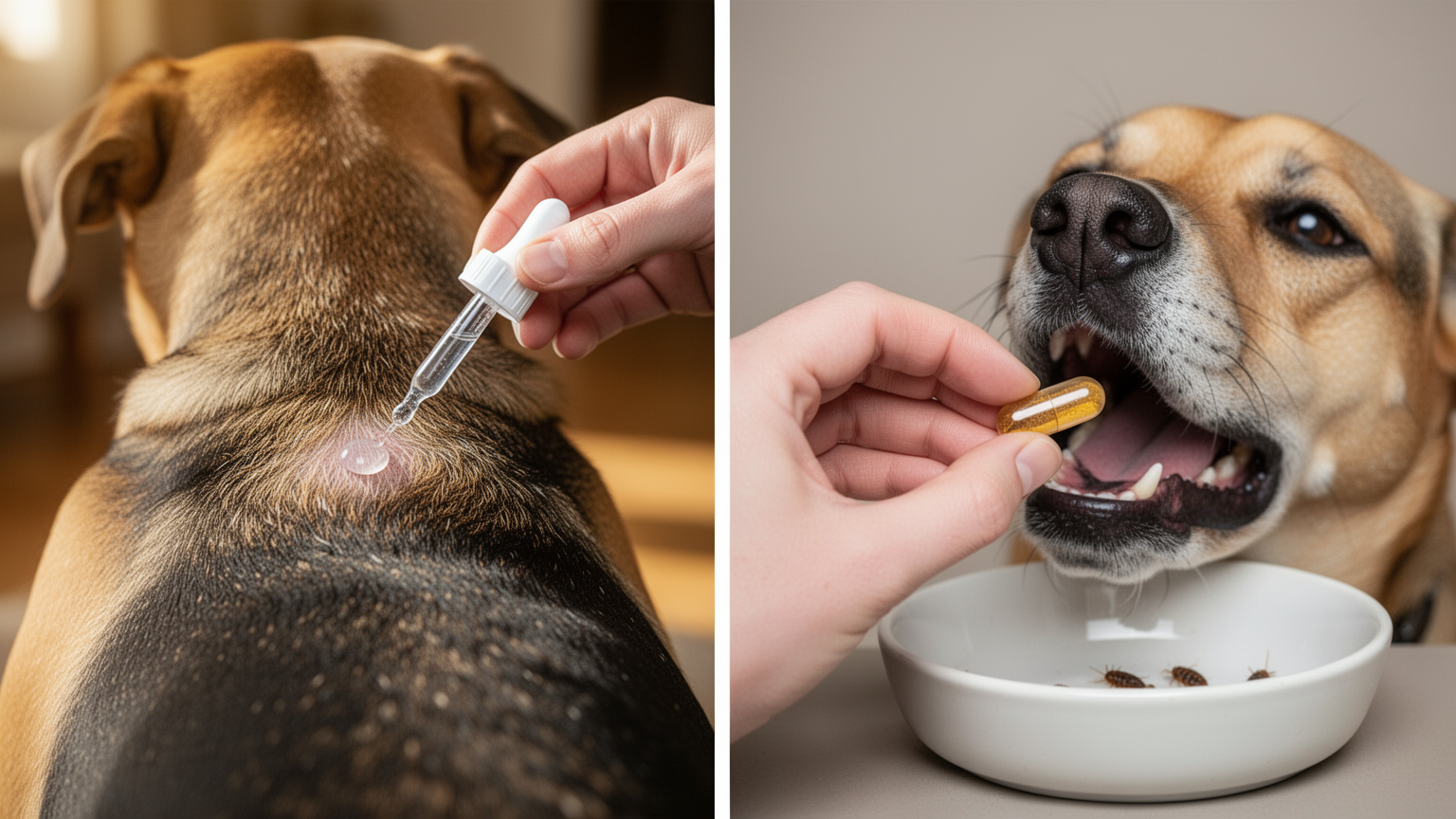
Spot-On Treatments (Topical Liquids)
Spot-on treatments are liquids you apply directly to your dog's skin, usually at the back of the neck where they can't lick it. They typically last 30 days and kill fleas on contact. Many also repel or kill ticks.
Pros: - Monthly application is straightforward - Relatively affordable compared to oral options - Visible application gives some owners confidence it's working - Wide range of products available
Cons: - Your dog must have water-resistant, healthy skin for best results - some dogs react to the liquid itself - You need to keep your dog dry for 24-48 hours after application, which isn't always practical - Some dogs are sensitive to the active ingredients, especially if applied too frequently or if the skin is already irritated - Requires careful application to avoid the dog licking the product before it dries
According to VCA Animal Hospitals, effectiveness depends on proper application and your dog's skin condition. If your dog has existing skin irritation or allergies, discuss this with your veterinarian first.
Oral Medications (Tablets or Chews)
Oral treatments are tablets or chewable medications your dog swallows. They circulate through the bloodstream and kill parasites that bite or feed on your dog. Most work for 30 days.
Pros: - No skin irritation or reaction at the application site - Easy to give - just part of feeding time - No need to avoid water after administration - Works well for dogs with sensitive skin - Some formulations also prevent internal parasites (heartworm, intestinal worms)
Cons: - Generally more expensive than spot-on products - Requires a veterinary prescription in most cases - Must be given on schedule; missing a dose leaves a gap in protection - Not suitable for all dogs - puppies, pregnant dogs, and dogs with certain health conditions may not be candidates
Oral treatments work by entering the bloodstream, so parasites are killed when they feed on your dog. This is effective but depends on consistent, on-time dosing.
Flea and Tick Collars
Modern collars release active ingredients as a gas that repels or kills parasites in a zone around your dog's head and neck. Older, outdated collars (the cheap plastic ones) don't work well; newer prescription or high-quality collars are far more effective.
Pros: - Passive - nothing to apply or swallow monthly - Some formulations last several months - No application technique required - Can be a good backup option for dogs that won't take oral medication or tolerate spot-on treatments
Cons: - More expensive upfront than monthly spot-on treatments - Effectiveness drops over time and may not protect the entire body equally - Some dogs find collars uncomfortable or develop irritation where the collar contacts skin - Not suitable for dogs in multi-pet households where dogs play roughly (collar can break or be lost)
Modern collars use different mechanisms than older versions and have better safety profiles, but they're still best suited to specific situations - for example, an indoor dog with low outdoor exposure, or as a backup to another treatment method.
How to Recognize Tick-Borne Illness in Dogs

Even with consistent prevention, occasionally a tick may still bite your dog before the treatment takes effect. Tick-borne illnesses can develop weeks after a tick bite, so knowing the warning signs matters.
Watch for: - Lethargy or unusual tiredness - Loss of appetite - Fever (normal temperature for dogs is 38.3-38.7°C; anything above 39°C is abnormal) - Lameness, limping, or joint stiffness - Pale gums (sign of anemia) - Vomiting or diarrhea - Swollen lymph nodes (lumps under the jaw or behind the legs)
If you notice any of these signs, contact a veterinarian immediately. Tick-borne diseases require blood tests for diagnosis and antibiotic treatment, and early treatment is critical. Do not wait or assume the symptoms will resolve on their own.
Choosing the Right Treatment for Your Dog
Your best option depends on four factors:
1. Your dog's age and health status. Puppies under 8 weeks, pregnant dogs, and dogs with certain liver or kidney conditions may not be suitable for all treatments. Your veterinarian can recommend safe options based on your dog's specific health profile.
2. Your dog's skin condition. Dogs with existing skin allergies, dermatitis, or very sensitive skin often do better with oral treatments than spot-on applications. If your dog scratches frequently or has irritated skin, mention this to your vet.
3. Your lifestyle and your dog's outdoor exposure. Dogs that spend a lot of time in gardens, parks, or rural areas face higher parasite exposure and benefit from the most reliable prevention available. Indoor dogs with minimal outdoor time may be fine with a collar or less-frequent application.
4. Cost and consistency. Be honest about which method you'll actually use consistently. A more expensive treatment you'll give on schedule is better than a cheaper one you'll forget or skip. Missing doses creates gaps in protection.
A practical approach: Start by discussing your dog's specific situation with a veterinarian in Thailand. They understand local parasite pressures and can recommend a treatment matched to your dog's health, lifestyle, and your ability to follow through consistently.
Working with a Veterinarian in Thailand
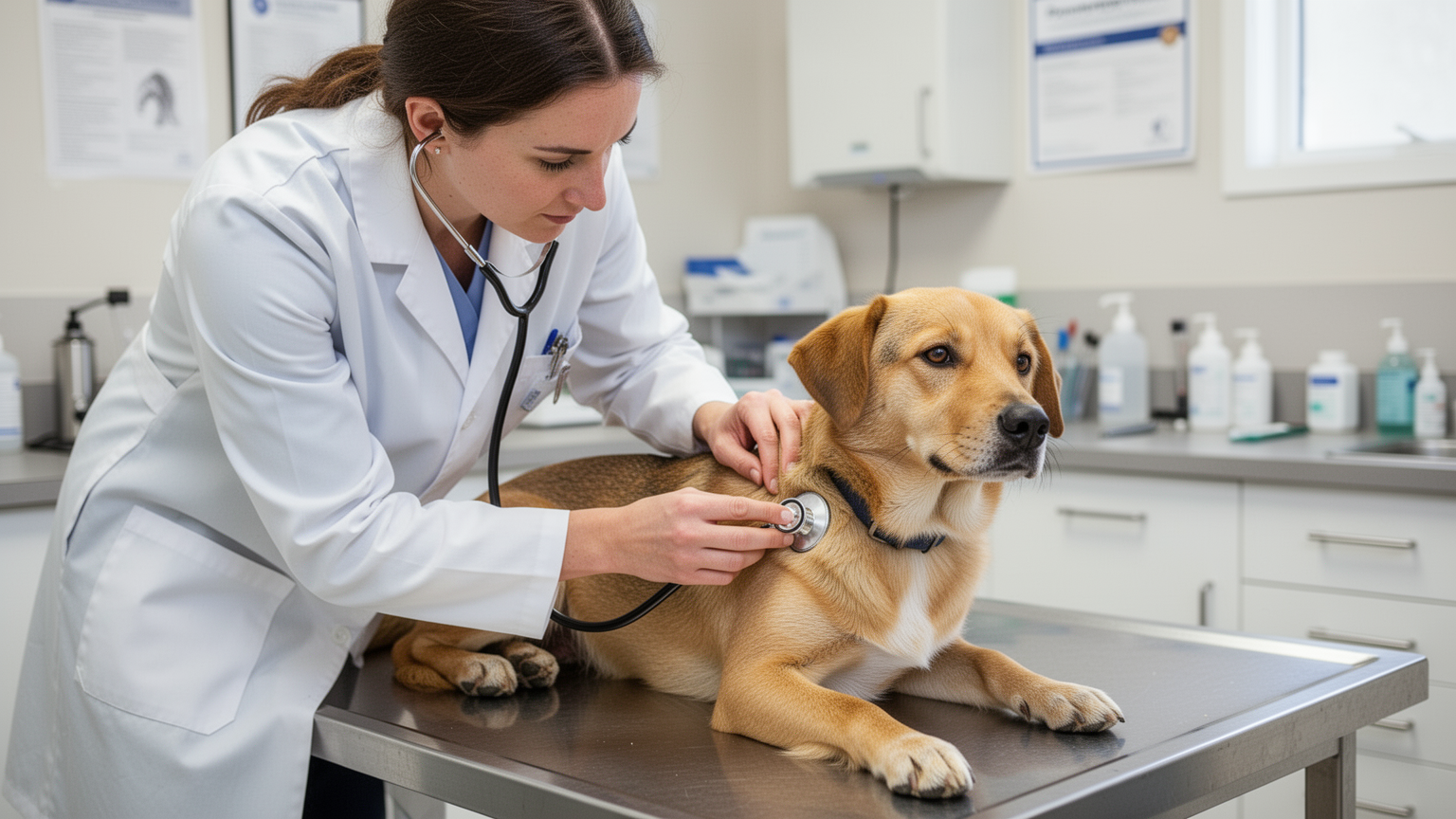
You need a veterinarian's involvement because most effective flea and tick treatments - particularly oral medications and prescription-grade collars - require a veterinary prescription. Your vet will also conduct a health check to ensure your dog is healthy enough for the chosen treatment.
When you visit, have ready: - Your dog's age, weight, and any known health conditions - A description of your dog's typical day (how much time outdoors, where they go, other animals they contact) - Any previous reactions to flea or tick treatments - Questions about cost and how often to administer the treatment
Ask your veterinarian specifically which treatment they recommend for your dog and why. Ask about the expected cost for a year of treatment. Ask what to do if you miss a dose or see signs of a tick-borne illness. Get clear instructions on how to apply or administer the treatment correctly.
If the first product doesn't work well for your dog - your dog refuses it, develops irritation, or you notice fleas or ticks despite consistent use - go back to your vet. They can switch you to a different product or class of treatment. There are enough options that most dogs can find something that works.
FAQ
Can I use a cheaper flea and tick treatment from an online marketplace instead of prescription products?
Very cheap products often don't work in tropical climates, where parasite resistance is higher. Low-quality or counterfeit products may be ineffective or unsafe. Prescription treatments recommended by your vet are more reliable and cost-effective over a year because they actually prevent infestations. Spending a little more upfront saves money on treating infested dogs.
How often should I check my dog for ticks, and how do I remove one safely?
Check your dog's skin weekly, especially after outdoor time, by parting the fur and looking at the skin. Pay attention to warm, moist areas like armpits, between toes, and ears. If you find a tick, use fine-tipped tweezers to grasp it as close to the skin as possible and pull straight out slowly. Don't twist, squeeze, or jerk - this can leave the mouthparts in the skin. Dispose of the tick in alcohol or seal it in a plastic bag. Clean the area with soap and water.
Do I need to treat my home and yard, or just my dog?
Treatment depends on whether fleas are already in your home. If your dog has an active flea infestation, fleas and eggs will be in bedding, furniture, and carpets, so you'll need to clean extensively and possibly use an environmental flea treatment indoors. For ticks, yard spraying is rarely necessary unless ticks are actively indoors. Ask your vet if your dog's infestation requires home treatment - don't spray unnecessarily.
What should I do if my dog has a bad reaction to a flea or tick treatment?
Stop using the treatment immediately and contact your veterinarian. Reactions can range from mild skin irritation to vomiting or lethargy. Your vet can identify what caused the reaction and recommend an alternative. Never continue with a product your dog reacts badly to, and never increase the dose thinking the treatment isn't working - that makes reactions worse.
Sources
-
Companion Animal Parasite Council - Parasite Seasonality - evidence for year-round parasite risk in tropical climates and treatment frequency recommendations.
-
VCA Animal Hospitals - Flea and Tick Prevention and Control - mechanisms of action, side effects, and application guidance for spot-on, oral, and collar treatments; tick-borne illness recognition.
-
AKC Expert Advice - Flea and Tick Prevention - best-practice framework for choosing treatments based on dog health, age, and lifestyle.