Dog Walking in Thailand: What to Pay and How to Choose the Right Walker
In most Thai markets, you'll pay between 200-500 baht per 30-minute solo walk, or 100-250 baht per dog in a group setting, depending on the walker's experience, your neighbourhood, and your dog's needs. The key to finding a trustworthy walker isn't comparing prices alone-it's understanding what affects value, knowing the difference between solo and group walks, and having a clear vetting process before you hand over your keys and dog.
This article walks you through current market conditions, helps you decide which service type suits your dog, and gives you a practical checklist to evaluate walkers so you can move forward with confidence.
Dog Walking Market Overview in Thailand
The dog walking market in Thailand is largely informal. Unlike more regulated markets in English-speaking countries, there is no single standardised rate, certification body, or formal registry. Rates vary based on:
- Neighbourhood and location - walkers in central areas or expat-heavy zones often charge more than those in quieter suburbs.
- Walker experience and language ability - someone fluent in English and with years of experience will typically charge more than a newer walker or one without English skills.
- Dog size and behaviour - larger dogs, senior dogs, or dogs with anxiety or aggression often cost more to walk safely.
- Time of day - early morning and late evening walks (peak exercise times) may cost slightly more.
- Season - rainy season or extreme heat sometimes increases rates or reduces availability.
Because the market is informal, rates aren't published centrally. You'll find walkers through messaging apps, neighbourhood Facebook groups, recommendations from vets or pet shops, and online service platforms. Each walker sets their own price based on their own costs and experience.
This flexibility is an advantage for shopping around, but it also means you need to do more comparison work yourself.
Daily Rate Breakdown: What to Expect
Solo walks (your dog alone with the walker):
- 30-minute walk: 200-400 baht
- 60-minute walk: 350-600 baht
- Daily (two walks): 400-1,000 baht
Group walks (your dog with 3-6 other dogs):
- 30-minute walk: 100-200 baht per dog
- 60-minute walk: 150-300 baht per dog
- Daily (two walks): 200-500 baht
These are working ranges based on what owners in Thai markets report paying. Your actual quote will depend on your specific situation. A walker in a central, upmarket area with a waiting list and bilingual skills will charge toward the higher end. A newer walker or one in a less central location might charge toward the lower end.
What affects the price you'll quote:
- Distance from the walker's home or base - if you live far from their usual route, they may charge travel time or require a minimum booking length.
- Your dog's age and health - senior dogs, those with mobility issues, or dogs on medication may need slower, shorter walks or more frequent bathroom breaks, which some walkers price higher.
- Behaviour issues - a dog that pulls hard, reacts to other dogs, or has fear-based behaviour requires more skill and attention, and walkers often charge more for these cases.
- Booking frequency - walkers often offer small discounts for regular daily bookings versus one-off walks. A regular five-day-a-week booking might cost 10-15% less per walk than one-off bookings.
Do not assume the lowest price is the best deal. A very cheap rate can signal inexperience, corner-cutting on safety, or poor care. A very high rate doesn't guarantee quality either. The goal is to find a fair rate for fair service-and that requires knowing what to check for.
Solo Walks vs. Group Walks: Making the Right Choice
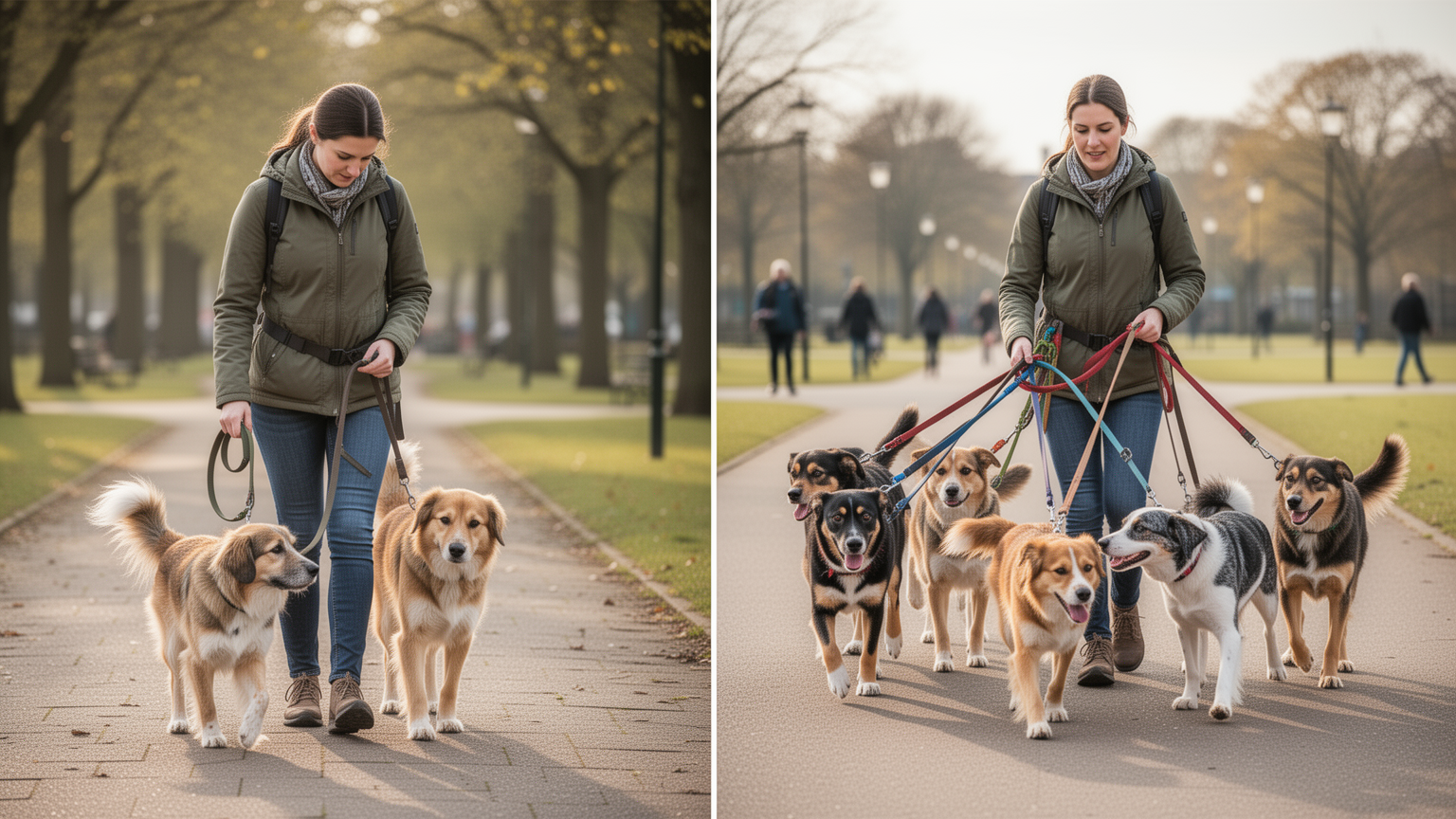
This choice depends on your dog's temperament, exercise needs, and what you're trying to achieve.
Choose a solo walk if:
- Your dog is reactive to other dogs or people and becomes stressed or aggressive in group settings.
- Your dog has specific health or mobility needs that require one-on-one attention (senior dogs, dogs recovering from injury, dogs on medication).
- Your dog is small or anxious and feels safer with individual attention.
- Your dog needs training reinforcement or behavioural work during the walk.
- You want someone to focus entirely on your dog's safety and wellbeing without managing multiple dogs.
Choose a group walk if:
- Your dog enjoys socialising and plays well with other dogs and unfamiliar people.
- Your dog gets bored walking alone and benefits from the stimulation of other dogs.
- Cost is a priority and your dog's temperament suits a group setting.
- Your dog has good recall (responds reliably to the walker's commands), which is essential for safe group walking.
- You're comfortable with less one-on-one attention in exchange for the social and mental enrichment your dog gets from other dogs.
A note on exercise adequacy:
The American Kennel Club advises that most adult dogs need at least 30 minutes of moderate exercise daily, though this varies by breed, age, and individual health. A high-energy breed might need 60-90 minutes. A senior dog or toy breed might need only 15-20 minutes. Neither solo nor group walks are inherently better for exercise-what matters is that your dog gets enough movement and mental stimulation to stay healthy and calm.
If your dog's behaviour or energy level changes after walks start, that's useful feedback about whether the service is working.
How to Vet a Dog Walker Beyond Price
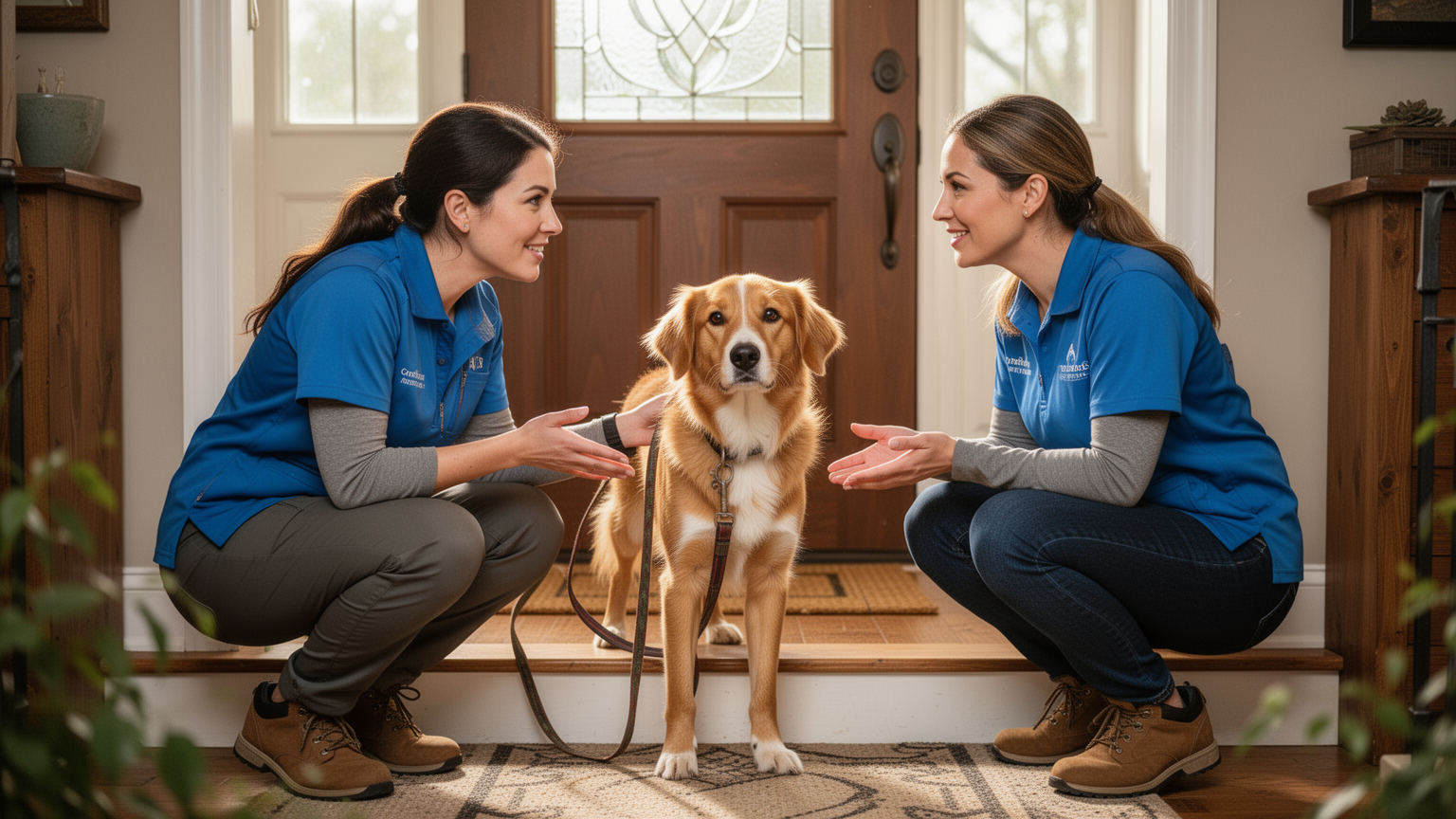
Before booking, you need to know that the person you're hiring will treat your dog safely and respectfully. Here's what to check:
1. Ask about experience and how they handle emergencies
- How many years have they walked dogs? How many dogs do they typically walk per day?
- What's their experience with your dog's breed, size, or temperament?
- If your dog had a health emergency during a walk (sudden collapse, ingestion of something toxic, injury), what would they do? Do they have a plan? Do they know the nearest emergency vet clinic?
- Can they show you they have a charged phone, so they can contact you and call a vet if needed?
2. Request and check references
Ask for contact details of at least two current clients-ideally owners of dogs with similar temperament or needs to yours. Reach out to them. Ask:
- How long have they used this walker?
- Does their dog seem happy and tired after walks?
- Has anything concerning happened?
- Would they trust this person with a key to their home?
According to Pet Sitters International, a reputable service provider should be willing and able to provide references. If they refuse or seem evasive, move on.
3. Meet them in person or do a video call
- Watch how they interact with your dog. Are they calm, patient, and confident? Do they seem to enjoy dogs, or do they seem impatient?
- Ask them how they'd approach walking your specific dog. If your dog pulls, how would they handle it? If your dog is anxious, how would they settle them?
- Observe if they ask you questions-about your dog's health, behaviour, any triggers, your exercise goals. A good walker gathers information rather than just assuming.
4. Check their approach to safety
- Do they always use a collar and leash, or do they ever let dogs off-lead? (Off-lead walking in public areas carries risk; know their policy.)
- What's their policy if another dog or person approaches your dog?
- How do they ensure dogs are not stolen, lost, or let loose?
- Do they carry water and a way to cool dogs down in hot weather?
5. Check their health and insurance knowledge
- Are they aware of common health risks in your area (for example, heat stroke in hot months, parasites, or contaminated water)?
- Do they know the signs of heatstroke, dehydration, or injury in dogs?
- Are they insured in case your dog is injured or causes injury to another person or dog? (Not all walkers carry insurance, but reputable ones do.)
6. Test their reliability and communication
- What's their cancellation policy if weather is extreme or they fall ill?
- How do they communicate? Can you reach them quickly by text or phone if you need to?
- Will they provide updates during or after walks (photos, brief reports on behaviour)?
- What happens if you need to change your booking with short notice?
A practical interview framework:
Create a simple list of three to five things that matter most to you-for example, "experience with anxious dogs," "daily photo updates," "knowledge of nearest emergency vet," "able to do both weekday mornings and weekends." When you contact potential walkers, ask each one about these things and note their answers. The person who answers clearly, thoughtfully, and confidently on all counts is usually the safer choice.
Red Flags and Service Standards
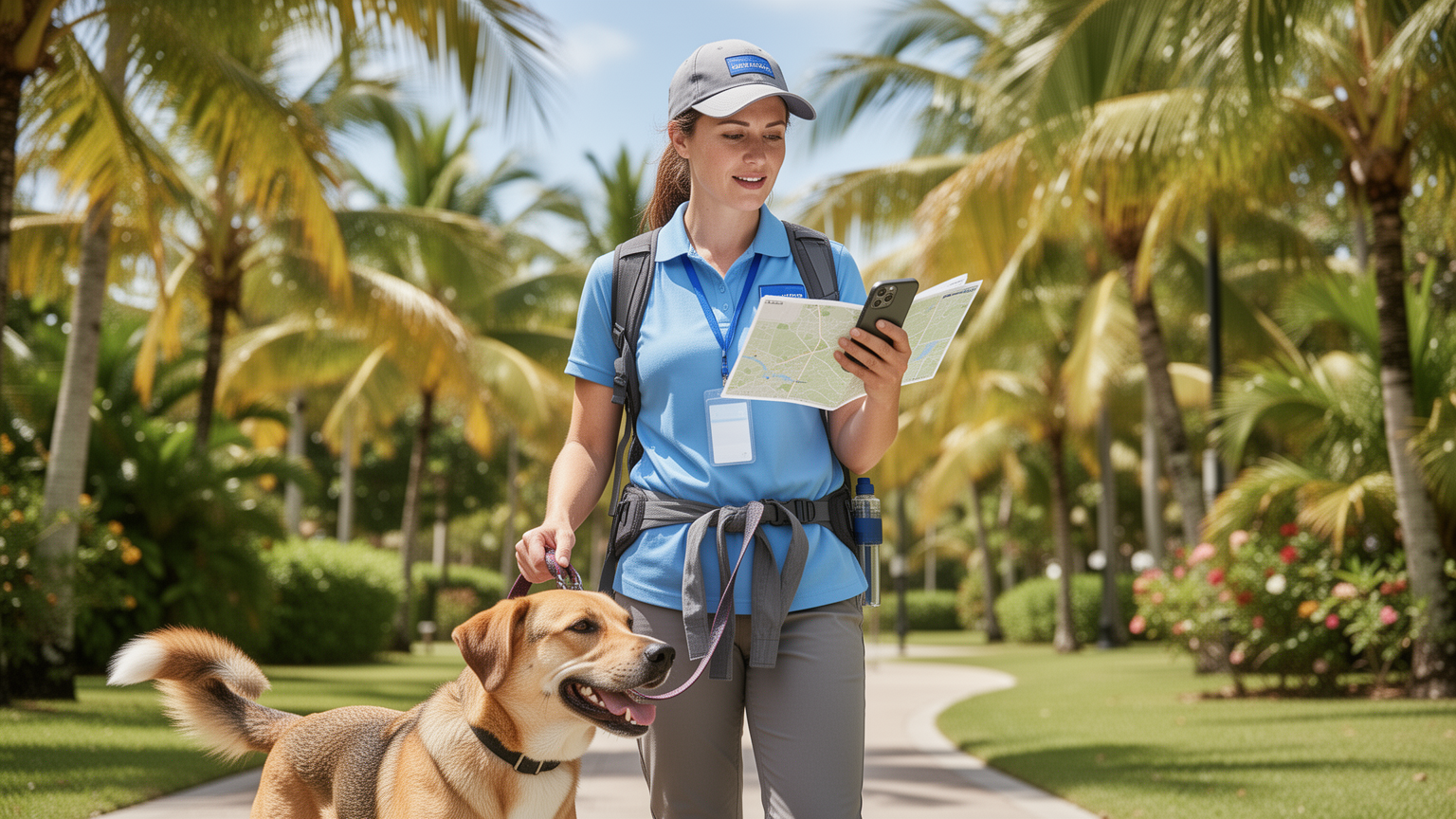
Some warning signs that a walker may not be right for your dog:
- They don't ask about your dog's health, behaviour, or your goals. A good walker should gather information, not just show up expecting all dogs are the same.
- They're vague about what happens during the walk. You should know roughly where they go, how long, and whether they interact with other dogs or people.
- They have no policy for emergencies or bad weather. A professional service has contingencies.
- They're unwilling to meet you or do a trial walk first. You shouldn't need to hand over your keys and dog immediately.
- They're dismissive of your concerns about your dog's health, behaviour, or needs. If you say your dog is anxious around other dogs and they say "he'll get over it," that's a mismatch.
- They don't check your dog's basic wellbeing before leaving (collar on securely, no visible injuries, breathing normally). A walker should be attentive to condition.
- They give a price quote without asking about your dog or your needs. Rate should factor in your specific situation.
FAQ
Q: Is it safe to give a dog walker a key to my home?
A: Many owners do this for convenience, but it's optional. You can also ask the walker to collect your dog from you (for example, you let them in at 9 am, then leave). If you do give a key, only do so after you've met them in person, checked their references thoroughly, and feel genuinely confident in them. Some walkers provide a copy of their ID or liability insurance for your peace of mind.
Q: Should I tip my dog walker?
A: In Thailand, tipping is not automatic the way it is in some other countries, but it's appreciated. If your walker provides excellent, consistent care, an occasional tip or bonus during holidays is thoughtful and builds goodwill, especially if you're using them long-term.
Q: What's the difference between a dog walker and a dog sitter?
A: A dog walker comes to your home, takes your dog out for exercise, and leaves. A dog sitter stays at your home (or theirs) for an extended period, providing play, feeding, medication if needed, and companionship. Dog walkers are for daily exercise; sitters are typically for when you're away for hours or days. Sitters usually cost more but offer more comprehensive care.
Q: How do I know if my dog is getting enough exercise from a walker?
A: After a walk, your dog should be noticeably calmer and more relaxed than before. The AKC notes that inadequate exercise often leads to destructive behaviour, excessive barking, or restlessness indoors. If your dog is still hyperactive, anxious, or destructive after walks have started, discuss increasing the walk length, frequency, or intensity with your walker. If behaviour doesn't improve, you may need a different service.
Q: What if I can't afford daily walks?
A: Even two or three walks per week is better than none. If cost is tight, try group walks (cheaper per dog) or negotiate a reduced rate for a shorter booking period. Some walkers also offer discounted rates for weekly packages. Alternatively, explore other forms of exercise: dog parks, training classes, or at-home play. Talk to a vet or trainer about what your specific dog needs to stay healthy and balanced.
Sources
AKC Expert Advice - dog exercise requirements and signs of adequate activity.
ASPCA Pet Care - safety screening and health considerations when selecting a pet service provider.
Pet Sitters International - Find a Pet Sitter - professional standards, reference verification, and interview questions for hiring.