Dog Daycare in Thailand: Cost, What You Get, and Whether It's Right for Your Dog
Dog daycare typically costs between 300-800 THB per day in Thailand, depending on location, facility quality, group size, and additional services. What you pay for varies widely - some facilities offer basic supervised play in a group setting, while others include meals, enrichment activities, training, and individual attention. Whether daycare suits your dog and your life depends on your work schedule, your dog's temperament, your budget, and what alternatives you have available.
This article walks you through real pricing, what's actually included in different service levels, which dogs thrive in group settings and which don't, and how to spot a quality facility versus one cutting corners.
Dog Daycare in Thailand: Cost Overview
Daily rates in Thailand range from around 300 THB for a basic, no-frills group care option to 800+ THB per day for premium facilities with smaller group sizes, specialized activities, or additional services like grooming or training.
Most facilities offer these pricing structures:
-
Budget tier (300-400 THB/day): Group play in a single large room or outdoor space, basic supervision, usually no meals or extras included. May have longer hours (7 AM-7 PM or later). Often used by owners who need extended care while at work.
-
Mid-range tier (400-600 THB/day): Smaller groups, separate play areas by dog size or energy level, included meals, basic enrichment (toys, outdoor time), and more staff supervision. Typically open 7 AM-6 PM.
-
Premium tier (600-800+ THB/day): Very small groups (under 10 dogs), one-on-one attention time, specialized activities (training sessions, swimming, agility), meal options tailored to dietary needs, and sometimes grooming services.
These are estimates based on typical market ranges. Actual prices vary. Ask facilities directly - pricing can differ based on your dog's size, whether they're a first-time customer, and how many days per week you book.
Monthly discounts matter. Most facilities charge less per day if you commit to 5+ days per week. If you need daycare 4 days a week, you might pay 380 THB/day but only 350 THB/day if you add a fifth day. Compare the weekly and monthly rates, not just the daily rate.
What's Included in Dog Daycare Services
Not all daycare is the same. Before comparing prices, check what actually comes with each tier.
Core services (usually included):
- Supervised group play or individual exercise in a safe, enclosed space
- Water and basic waste management (staff monitor bathroom breaks)
- Monitoring for signs of distress, injury, or illness
- Staff on-site during operating hours (not off-site; the dog is actively watched)
Common add-ons or mid-range inclusions:
- Meals (breakfast, lunch, or snacks) - staff bring your dog's food, or the facility provides it
- Outdoor time - usually a gated yard or park access
- Individual play sessions - one-on-one time with a staff member, separate from the group
- Training (basic commands, leash manners) - often just 10-15 minutes per session
- Grooming or nail trim - may be included in premium packages or charged separately
Premium additions:
- Swimming or water play (if the facility has a pool)
- Agility or obstacle course practice
- Behavioral consulting - for dogs with anxiety or aggression concerns
- Photo or video updates sent to owners during the day
- Private play areas for dogs that don't do well in large groups
Be clear what you need before you call around. A dog with dietary restrictions needs a facility that's willing to serve your own food. A shy dog might not benefit from a 20-dog group but could thrive in a smaller setup with individual time. Don't pay for premium services you won't use, but don't choose a facility that can't meet your dog's actual needs just to save 50 THB per day.
Who Should Use Dog Daycare (and Who Shouldn't)
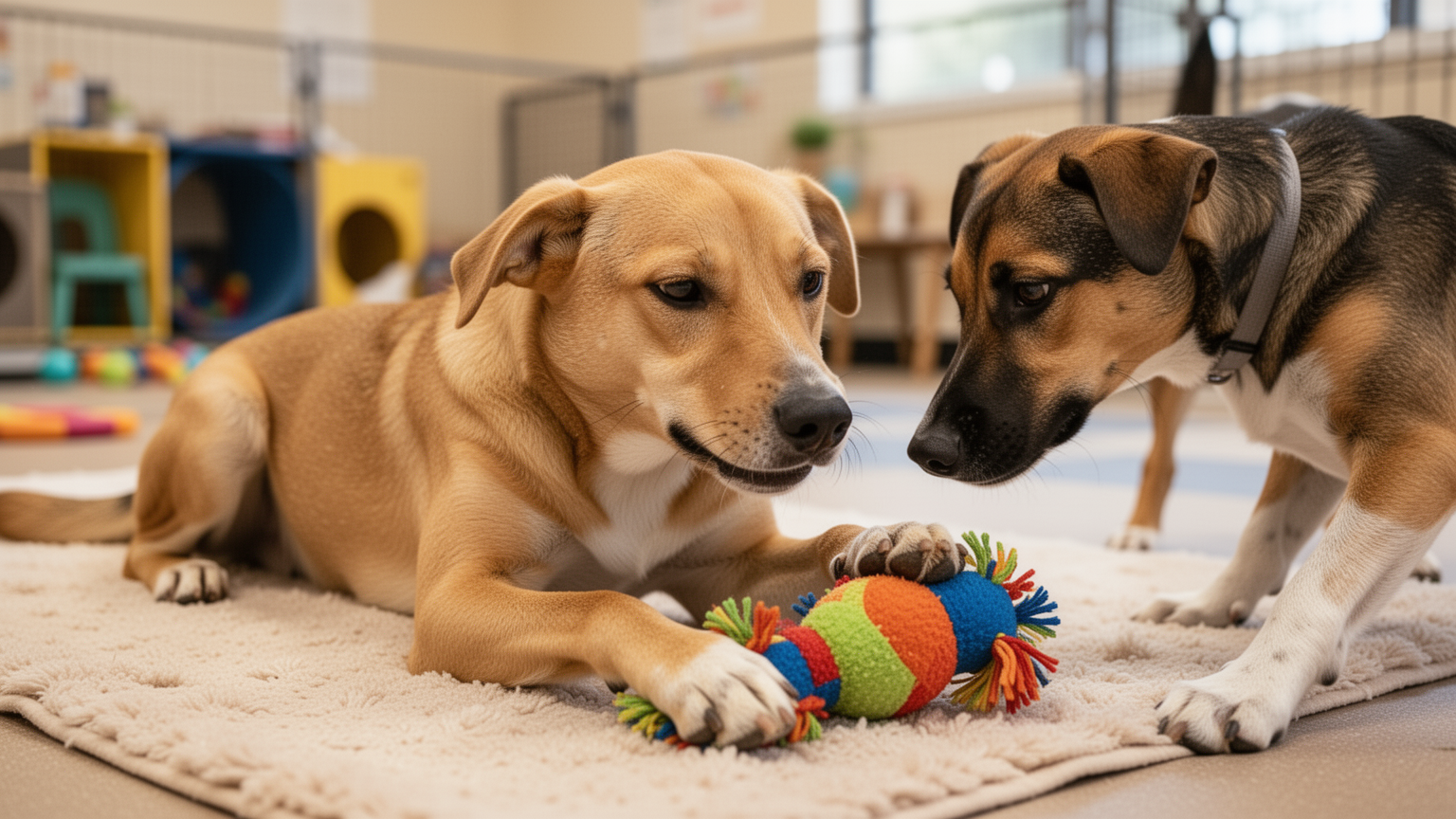
Dog daycare is useful for some situations and less suitable for others. The right choice depends on your dog's age, temperament, social experience, and your own schedule.
Daycare is a good fit if:
- You work a full-time job (8+ hours) and your dog is alone during the day.
- Your dog is between 1-7 years old and has shown they can handle group interactions without stress.
- Your dog is already somewhat socialized with other dogs - they've had positive exposure before, even if briefly.
- You can afford 3-5 days per week consistently (sporadic daycare doesn't help with routine or socialization in the same way).
- You have a backup plan for public holidays or when the facility is closed.
Daycare is less suitable if:
- Your dog is under 4-6 months old. Puppies need consistent, individual routines and vaccination protection before group exposure. Talk to your vet first.
- Your dog shows signs of fear, reactivity, or aggression toward other dogs - group play can make these worse, not better. A trainer or behaviorist should assess first.
- Your dog is very senior (10+ years) and prefers rest to activity. High-energy group environments can be stressful rather than enriching.
- You can only afford one day per week. The logistics and stress of a single daycare day don't usually outweigh the benefit.
- Your dog has severe separation anxiety. Daycare can actually worsen this if not paired with behavior work. A dog walker or pet sitter might suit better.
Temperament matters more than breed. Not all small dogs are timid, and not all large dogs are confident. According to AKC Expert Advice, individual temperament - not breed - determines how well a dog handles group settings. A socialization and temperament screening before you enroll is not optional; it's the best predictor of whether your dog will actually benefit.
Daycare vs. Dog Walking: Making the Right Choice
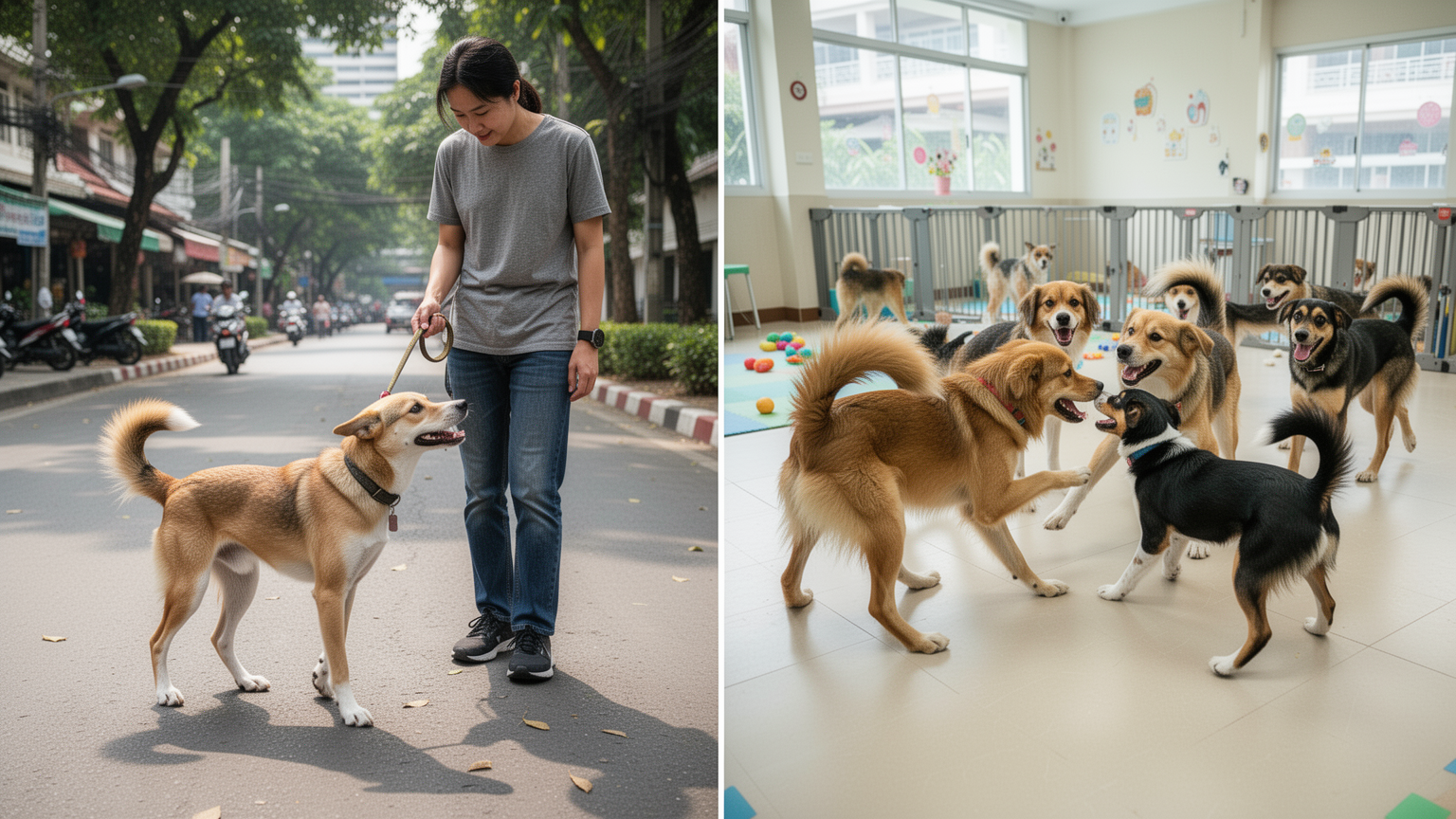
Many owners face this decision: should I pay for daycare or hire a dog walker?
Dog walking (usually 200-400 THB for 30-45 minutes) is a single person taking your dog out for exercise and toilet breaks. The focus is physical exercise and relief from being alone.
Dog daycare is a group environment (or sometimes individual care in a facility) with play, supervision, and often meals or enrichment.
Compare them this way:
| Factor | Dog Walking | Dog Daycare |
|---|---|---|
| Cost | 200-400 THB/outing | 300-800 THB/day |
| Social interaction | One-on-one with walker | With other dogs and staff |
| Exercise level | Moderate (walk + sniff time) | High (play, chase, interaction) |
| Time at home alone | Still 6-8 hours between walk and your return | Reduced or eliminated if daycare is 7 AM-6 PM |
| Best for | Dogs that need bathroom breaks but don't mind quiet time at home | Dogs that need constant company and stimulation |
| Staff consistency | May vary (different walkers) | Usually the same staff and environment |
Choose walking if: Your dog is content at home alone for most of the day. They just need a midday bathroom break and some exercise. You work 6-8 hours and can arrange a walker to come at lunch.
Choose daycare if: Your dog hates being alone. They need constant interaction to be happy. You work long hours and want them stimulated and supervised the whole time.
You can also combine them. Some owners use a dog walker 2-3 times per week (for variety and routine exercise) and daycare 2 days per week (for deeper social engagement). This costs more overall but covers your bases if your schedule is inconsistent.
How to Evaluate Quality and Safety Standards
When you're comparing facilities, you're looking for three things: safety, proper supervision, and clean conditions. Here's what to check.
Supervision and staffing:
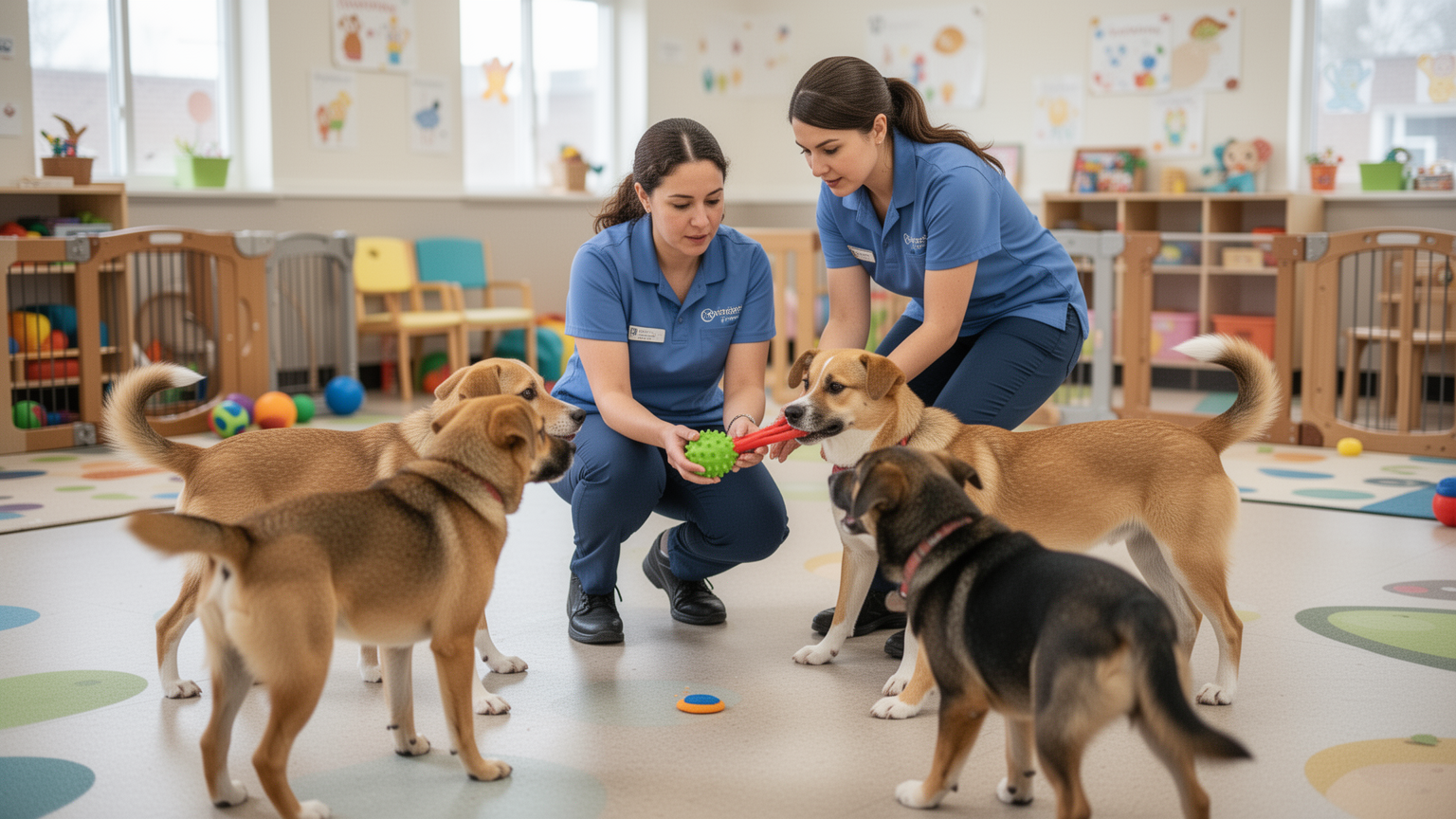
According to the International Boarding & Pet Services Association, a ratio of one staff member per 10-12 dogs is the industry standard for group daycare. This means a facility with 25 dogs should have at least 2-3 staff present during play. Fewer staff than that means your dog gets less individual monitoring. Ask directly: "How many staff are here during group play, and what are their qualifications?"
Look for staff that can describe each dog's behavior and temperament - staff who actually know the dogs, not just watch them vaguely.
Safety and environment:
- Is the play space fully fenced or gated? Are escape routes secured?
- Are toys and water bowls cleaned and rotated? (Shared toys can spread illness.)
- Is there shade and climate control? Thailand's heat means a facility without good ventilation or AC is uncomfortable for dogs.
- Are sick dogs separated from healthy ones? Ask about their illness policy.
- Can you see the space before signing up? If a facility won't let you visit, that's a red flag.
Stress and behavior monitoring:
According to the ASPCA Pet Care guidelines, a quality facility monitors dogs for signs of stress or distress - things like excessive panting, whining, trembling, or withdrawal. Staff should be trained to recognize these and separate a stressed dog from the group. Likewise, they should interrupt rough play before it becomes dangerous.
Ask: "What do you do if a dog seems scared or overwhelmed?" If they say "they just warm up," that's different from "we move them to a quieter area and let them decompress for a bit."
Health and records:
The facility should require proof of vaccination (at least rabies and core vaccines) and ask about any health or behavior issues when you register. They should also have a vet on call or have a relationship with a local veterinary clinic in case of emergencies.
Your gut check:
Do the staff seem to enjoy the dogs? Are they patient? Do the dogs themselves seem happy and relaxed, not stressed or pacing? If something feels off, it probably is.
FAQ
Q: My dog is very anxious around strangers. Is daycare a bad idea?
A: Not necessarily, but it depends on the type of anxiety. If your dog is nervous but can warm up over time, a small-group facility with individual attention might work. If your dog is severely fearful or reactive (lunges, barks aggressively, freezes), group daycare could worsen the anxiety. Consult a trainer or veterinary behaviorist first. Some dogs benefit from a quiet daycare environment with just one or two other calm dogs rather than a large chaotic group.
Q: What's the youngest age a dog should start daycare?
A: Most facilities won't accept puppies until they've had their second or third vaccination round (around 12-16 weeks old), because their immune system isn't fully developed. Even then, puppies under 6 months may do better with individual care or small peer groups rather than large chaotic ones. Ask your vet before enrolling a young puppy.
Q: How often should my dog attend daycare for it to make a difference?
A: Two to three days per week is the minimum most owners find worthwhile for socialization and exercise benefits. One day per week is better than nothing but doesn't build routine. If cost is tight, two days per week plus a dog walker on one other day is a solid middle ground.
Q: What should I do if my dog comes home from daycare exhausted or stressed?
A: Some tiredness is normal - dogs expend energy playing. But if your dog comes home panicked, won't eat, or acts withdrawn, the facility may not be a good match. Give your dog 24-48 hours to settle, then decide if it's just adjustment or ongoing distress. If it continues, talk to the facility staff about what happened or consider a different environment (smaller group, quieter facility, or one-on-one care instead).
Sources
-
AKC - Expert Advice - temperament screening and socialization best practices for adult dogs in group settings.
-
International Boarding & Pet Services Association - Industry Standards - staff-to-dog ratios and supervision guidelines for daycare facilities.
-
ASPCA Pet Care - dog stress signals and welfare considerations for group environments.