7 Red Flags That Mean You Should Walk Out of a Pet Grooming Salon Right Now
If a groomer won't let you watch, dismisses your questions about handling methods, or keeps your pet confined in crowded conditions without breaks, leave. These aren't minor preferences-they're signs your pet is at risk of injury, stress, or illness. This article shows you exactly what unsafe looks like, why it matters, and what to do the moment you spot it.
Why This Matters in Thailand's Pet Grooming Market
Pet grooming in Thailand ranges from informal home-based services to full-service facilities. That range means safety standards vary widely. Unlike veterinary medicine, grooming has no single regulatory body in Thailand that sets or enforces baseline handling and sanitation rules. The responsibility falls entirely on you to recognize when a salon cuts corners.
Your pet can't tell you if they were held too tightly, exposed to sick animals, or bathed in unsanitary equipment. By the time you notice something's wrong-behavioral changes, skin irritation, stress signs-the damage is already done. Knowing what to look for before you hand over your pet saves you money, heartache, and your pet's wellbeing.
Red Flag #1: Lack of Visible Handling Standards & Force-Free Practices
What it looks like: Groomers yank, pin, or restrain your pet without explanation. They don't ask permission before handling sensitive areas. They get irritated if your pet moves or resists. No discussion of calming techniques or breaks during the session.
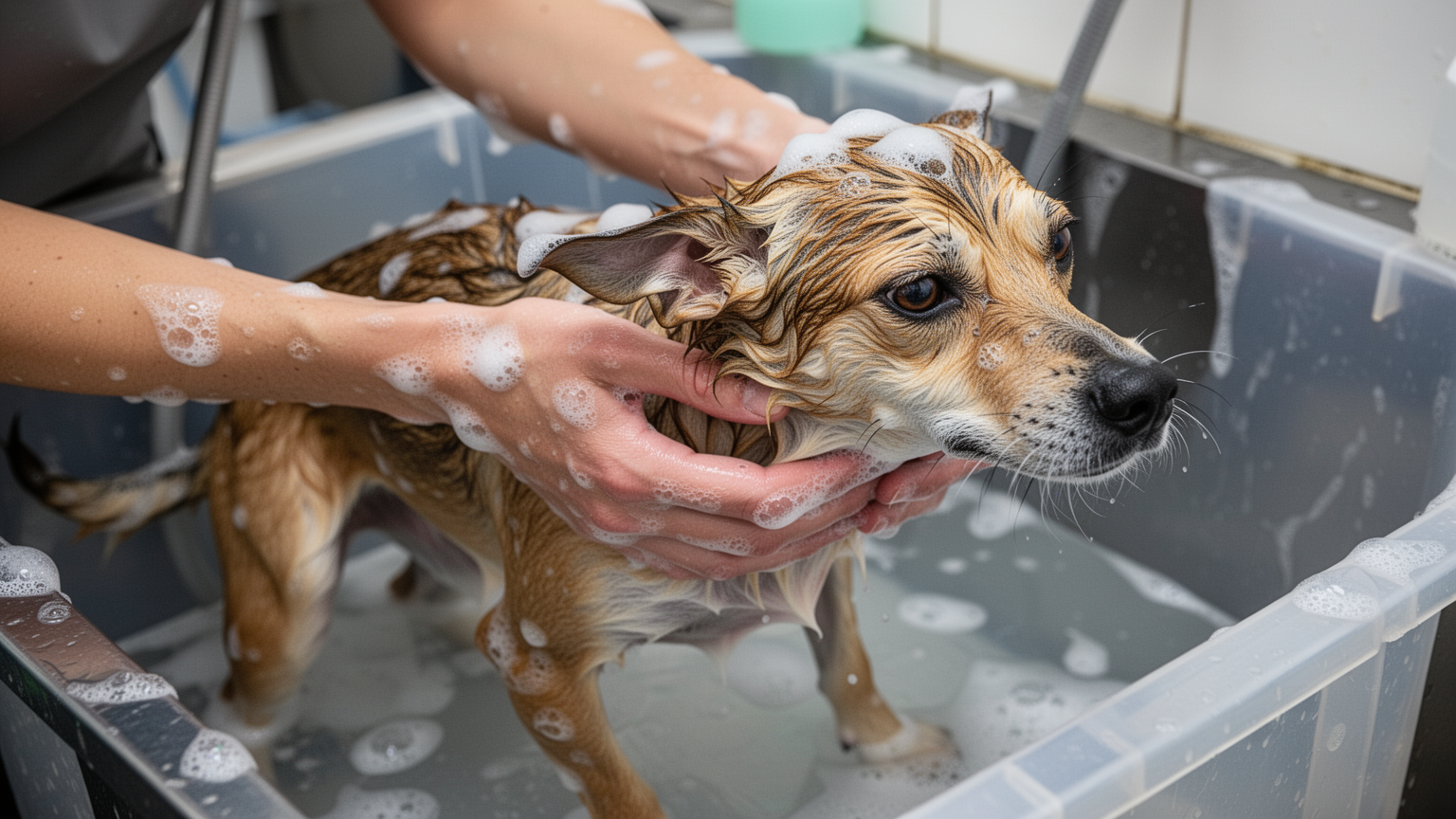
Why it matters: Per the Pet Professional Guild's force-free standards, safe grooming relies on handling that respects the animal's body language and doesn't use pain, fear, or force. Rough restraint causes immediate stress and can lead to anxiety, behavioral problems, and physical injuries like broken nails, torn skin, or ear trauma.
What to do: Ask the groomer during the consultation: "How do you handle a pet who gets nervous or tries to move away?" Listen for phrases like "we give them breaks," "we use calm handling," or "we work at their pace." If you hear "we don't have time for that" or "they just need to get used to it," that's a walkout signal. Watch the grooming in progress if allowed. If you see a groomer applying unnecessary force, end the appointment.
Red Flag #2: No Health Screening or Allergy Questionnaire
What it looks like: The salon hands you a form that asks nothing about your pet's medical history. Or worse, they skip the form entirely. They don't ask about allergies, skin conditions, medications, recent surgeries, or behavioral issues. They jump straight to bathing without any conversation.
Why it matters: According to AAHA accreditation standards, professional grooming facilities screen for health issues before beginning work. A pet with a heart condition, injured leg, or skin infection shouldn't be groomed the same way as a healthy one. Allergies to shampoos or products can cause severe reactions. Unmedicated anxiety or pain makes the grooming stressful and unsafe.
What to do: Ask to see the health questionnaire before your appointment. It should ask: - Any current medications or recent vet visits - Skin conditions, allergies, or sensitivities - Areas of the body that are sensitive or off-limits - Behavioral concerns or past grooming trauma - Any recent surgery or injury
If the salon doesn't have one or brushes off your answers, find another salon. Your vet's contact information should also be on the form-a good groomer will reach out to the vet if they spot a health concern.
Red Flag #3: Unsafe Equipment, Sanitation, or Animal Confinement Conditions
What it looks like: Bathing areas are visibly dirty. Towels or mats smell like old urine or mold. Equipment (clippers, tubs, tables) shows signs of rust or poor maintenance. Multiple animals are crammed into small cages without ventilation or water access. No separate areas for sick or nervous animals. You don't see anyone cleaning between pets.
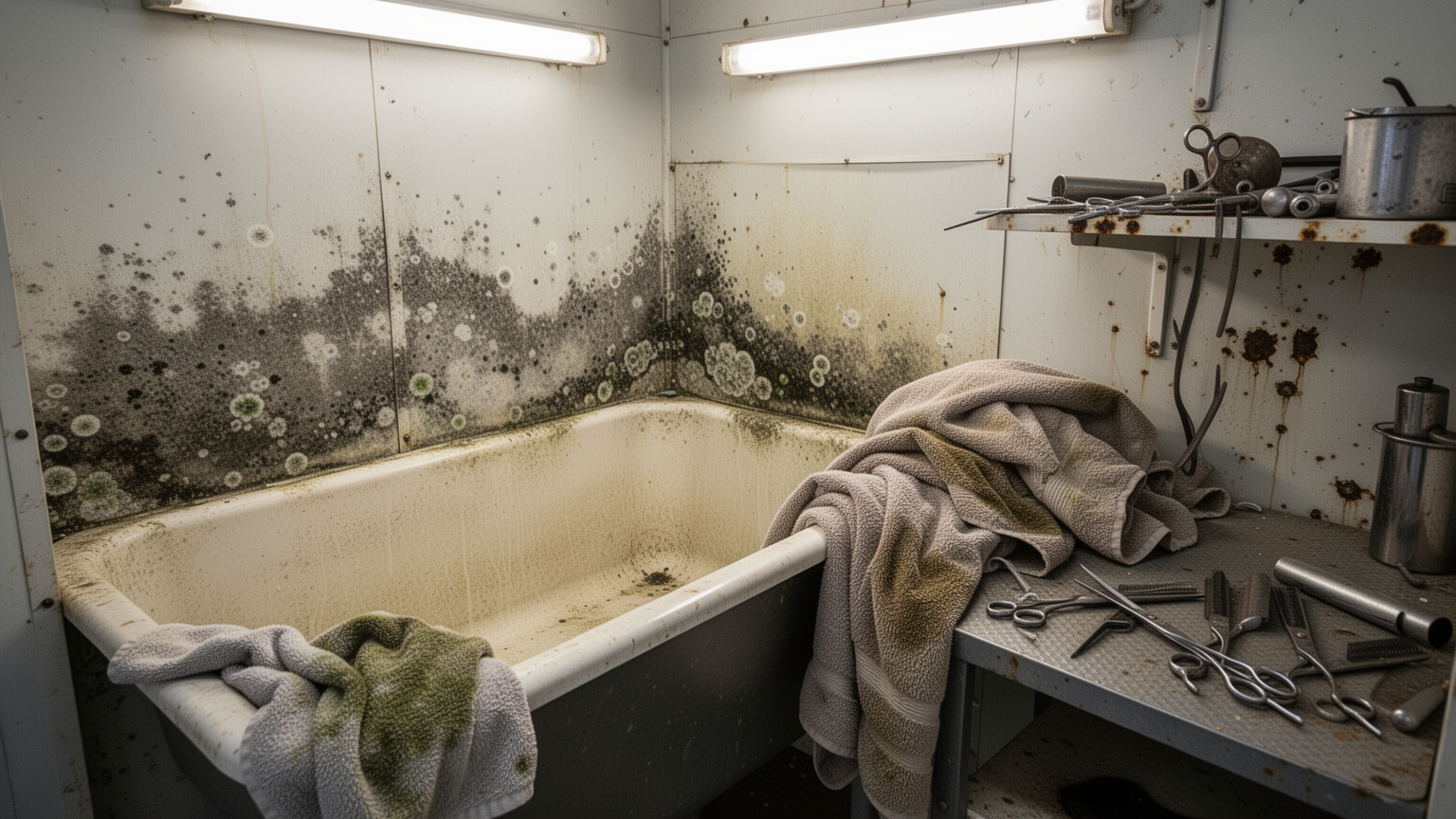
Why it matters: Per ASPCA Pet Care standards, clean facilities and equipment prevent skin infections, parasites, and bacterial spread. Poor sanitation is how ringworm, mange, or staph infections jump from one pet to another. Overcrowded confinement causes stress, heat exhaustion, and fighting. A pet waiting hours in a hot cage without water can suffer serious harm.
What to do: During your salon visit, take a walk through the grooming area. Look for: - Clean, dry floors and work surfaces - Fresh-smelling towels and blankets - Equipment that looks well-maintained and recently cleaned - Separate, well-ventilated holding areas - Fresh water available for waiting pets - Hand-washing stations or sanitizer visible
Ask directly: "Do you clean your equipment between every pet?" and "How long do pets wait, and do they have water?" If the facility is dirty, overcrowded, or the staff acts defensive about cleanliness, leave.
Red Flag #4: Groomer Qualifications & Training Transparency
What it looks like: The groomer can't or won't tell you about their training. They've never heard of force-free handling or current industry standards. They have no certifications, apprenticeships, or continuing education. They treat grooming like a one-size-fits-all job-no conversation about your pet's breed, coat type, or individual needs.
Why it matters: The Pet Professional Guild requires its certified groomers to complete formal training in animal behavior, safe handling, and breed-specific grooming. A trained groomer knows how to read stress signals, adapt their approach to different dogs, and avoid common injuries. An untrained groomer is more likely to cause pain, injury, or emotional harm.
What to do: Ask the groomer or salon owner: - "What training or certifications do you have?" - "How do you stay current with grooming best practices?" - "Can you walk me through how you'd groom my specific pet?"
They don't need a fancy diploma, but they should be able to explain their approach, answer questions about their experience, and show genuine interest in your pet's needs. If they get defensive or vague, that's a sign they're not well-trained.
Red Flag #5: Lack of Post-Grooming Health Checks or Communication
What it looks like: The groomer hands your pet back without mentioning anything about how they behaved, what they noticed, or how the pet is doing. No discussion of any concerns. If you ask about your pet's behavior or any red marks, they dismiss it or blame your pet. They don't offer a post-appointment check-in or provide care instructions.
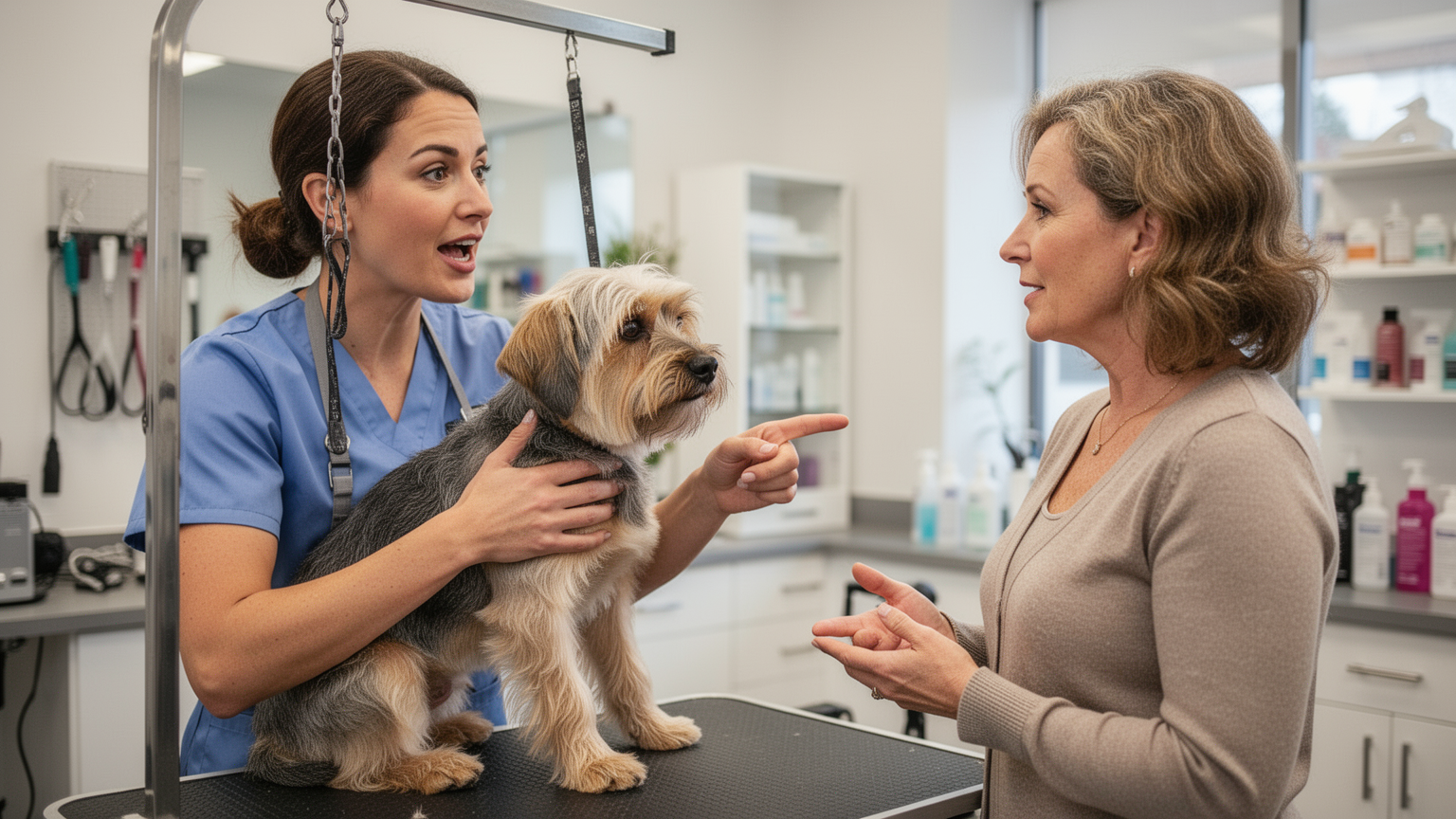
Why it matters: A professional groomer watches for signs of stress, skin irritation, ear infections, or injuries during the appointment and tells you. They also send you home with simple care tips to keep the groom looking good and the pet healthy. Silence or dismissal often means the groomer either didn't notice a problem (lack of attention) or did notice but doesn't care (lack of professionalism).
What to do: After the appointment, expect the groomer to tell you: - How your pet behaved and if they showed any stress - Any skin issues, ear wax buildup, or concerns they noticed - How to maintain the groom at home - When to schedule the next appointment
Ask for this feedback if they don't offer it. If you notice any unusual redness, swelling, hair loss, or behavioral changes after grooming, contact the groomer immediately with photos or details. A good salon will take responsibility; a bad one will deny it or blame you. If the latter happens, document it and don't return.
Red Flag #6: Dismissal of Your Concerns or Rushing the Process
What it looks like: You ask a question and the groomer rolls their eyes or cuts you off. You mention your pet gets anxious, and they say "it's fine, don't worry about it." The salon books 8 dogs back-to-back with no gaps. Your pet is done in half the time you'd expect for their coat type. The groomer seems stressed, rushed, or irritated by your presence.
Why it matters: Your concerns are data. If your pet has had a bad experience, is nervous, or has physical issues, the groomer needs to know and accommodate. Rushing leads to mistakes-missed mats, nicks, incomplete drying. A pet groomed too fast often has a poor quality groom and gets stressed in the process. A groomer who's constantly rushing is more likely to get injured themselves and more likely to injure your pet.
What to do: Notice how the groomer responds to your questions during the consultation: - Do they listen without interrupting? - Do they ask follow-up questions about your pet's history? - Do they explain what they'll do differently for a nervous or difficult pet? - Do they have realistic time estimates?
If the salon makes you feel rushed or unheard, that's a reason to walk out. A good groomer protects time for each pet and wants to know your concerns. If the groomer becomes impatient or dismissive, say "I don't think this is the right fit for my pet" and leave.
Red Flag #7: No Insurance, Liability Coverage, or Refund Policy
What it looks like: The salon has no written policy on what happens if your pet is injured. They don't carry liability insurance. There's no contract or agreement. They demand full payment upfront with no refund option, even if you're unhappy with the work or your pet was harmed.
Why it matters: Accidents happen in grooming-nicks, hot spots, ear infections, or stress-related illness. A professional salon carries insurance to cover these incidents and has a clear policy for how they'll handle problems. No insurance and no policy means you absorb all the cost if something goes wrong. It also signals the salon doesn't take liability seriously.
What to do: Before booking, ask: - "Do you carry liability insurance?" - "What's your policy if my pet is injured during grooming?" - "Do you offer a refund if I'm unhappy with the groom?"
Get this in writing if possible. A clear answer shows professionalism. A vague response ("we've never had a problem") or refusal to discuss it ("we don't need insurance") is a red flag. Don't hand over your pet or your money to a salon that won't stand behind their work.
What to Do If You Spot a Red Flag: Your Action Plan
During the consultation (before booking): 1. Ask the questions listed in each red flag section above. 2. Take a tour of the facility. Look at cleanliness, equipment, and how other pets are treated. 3. Watch a few minutes of grooming in progress if the salon allows it. 4. Trust your gut. If something feels off, it probably is.
If you spot a red flag before the appointment starts: - Don't feel obligated to proceed. Say: "I don't think this is the right fit for my pet" and walk out. - You don't owe the salon an explanation. It's your pet's safety.
If you spot a red flag during grooming: - Ask the groomer to stop immediately. - Say: "I'm not comfortable with this approach. I'd like to pick up my pet now." - Request a partial refund for the incomplete work. - Don't delay-the sooner you remove your pet, the better.
If you discover a problem after you pick up your pet: - Take photos of any injuries, redness, or behavioral changes. - Contact the groomer or salon the same day with details. - Ask for compensation (refund, vet bill coverage, or future credit). - If they refuse, report the issue to local consumer protection authorities and leave honest reviews. - See a vet if your pet shows signs of injury or illness.
Remember: Walking out is not rude. It's protecting your pet. A good salon will respect your decision and won't try to guilt you into staying.
FAQ
Q: What should a grooming appointment cost, and is cheaper always a red flag? A: Price varies by location, pet size, and coat complexity. Cheaper isn't automatically bad, but extremely low prices sometimes mean corners are cut. Compare what's included (bath, dry, trim, nail care) and the facility quality, not just the price. A mid-range salon with good reviews is often safer than the cheapest option.
Q: Can I stay and watch the entire grooming? A: Many salons allow observation for part of the appointment, but full observation can stress both the pet and groomer. A good salon will let you see the beginning, answer your questions, and give you an honest update midway through. If a salon refuses any observation and gets defensive about it, that's suspicious.
Q: How often should my pet be groomed? A: It depends on breed and coat type. Short-haired dogs might need grooming every 8-12 weeks; long-haired breeds might need it every 4-8 weeks. Ask your groomer or vet for a schedule specific to your pet. A groomer who has this conversation with you is more professional than one who just books you on a fixed schedule.
Q: What's the difference between a red flag and just a personal preference? A: A red flag directly threatens your pet's safety, health, or wellbeing-rough handling, unsanitary conditions, ignored health concerns. A preference is stylistic-you like a specific cut style or want a groomer of a certain gender. Red flags mean walk out. Preferences mean find a different groomer but the current one isn't necessarily unsafe.
Q: What should I do if my pet has behavior problems or past grooming trauma? A: Tell the groomer during the consultation and be specific: "My dog was nipped by a clipper once and now panics during nail trims." A good groomer will ask follow-up questions, explain how they'll handle it differently, and may charge a bit more for extra time and patience. If the groomer says "we'll just get through it," walk out-that's the wrong approach for a traumatized pet.
Sources
ASPCA - Pet Care - foundational pet safety and welfare principles in grooming.
AAHA - Your Pet - professional handling, sanitation, and health screening standards.
Pet Professional Guild - force-free handling and welfare-first grooming practices.