Pet Hotel or In-Home Sitter? How to Choose the Right Care for Your Pet
The answer depends on your pet's temperament, your budget, and how long you'll be away. Pet hotels work better for confident, social animals who don't mind new environments; in-home sitters suit anxious pets, older animals, and those needing routine. Read on to understand the real trade-offs-cost, safety, comfort, and logistics-so you can choose with confidence.
Pet Hotels vs In-Home Sitters: Overview
A pet hotel is a facility where your pet stays overnight in a dedicated space, usually with staff present during business hours. The facility handles feeding, exercise, and basic care in a controlled environment with other animals nearby.
An in-home sitter visits your home to care for your pet. They feed, exercise, and provide companionship while your pet stays in the familiar surroundings of your own space. The sitter may visit once daily (for cats) or multiple times (for dogs).
The core difference is environment: your home versus a facility. This shapes everything else-comfort level, stress response, cost, and what your pet experiences while you're away.
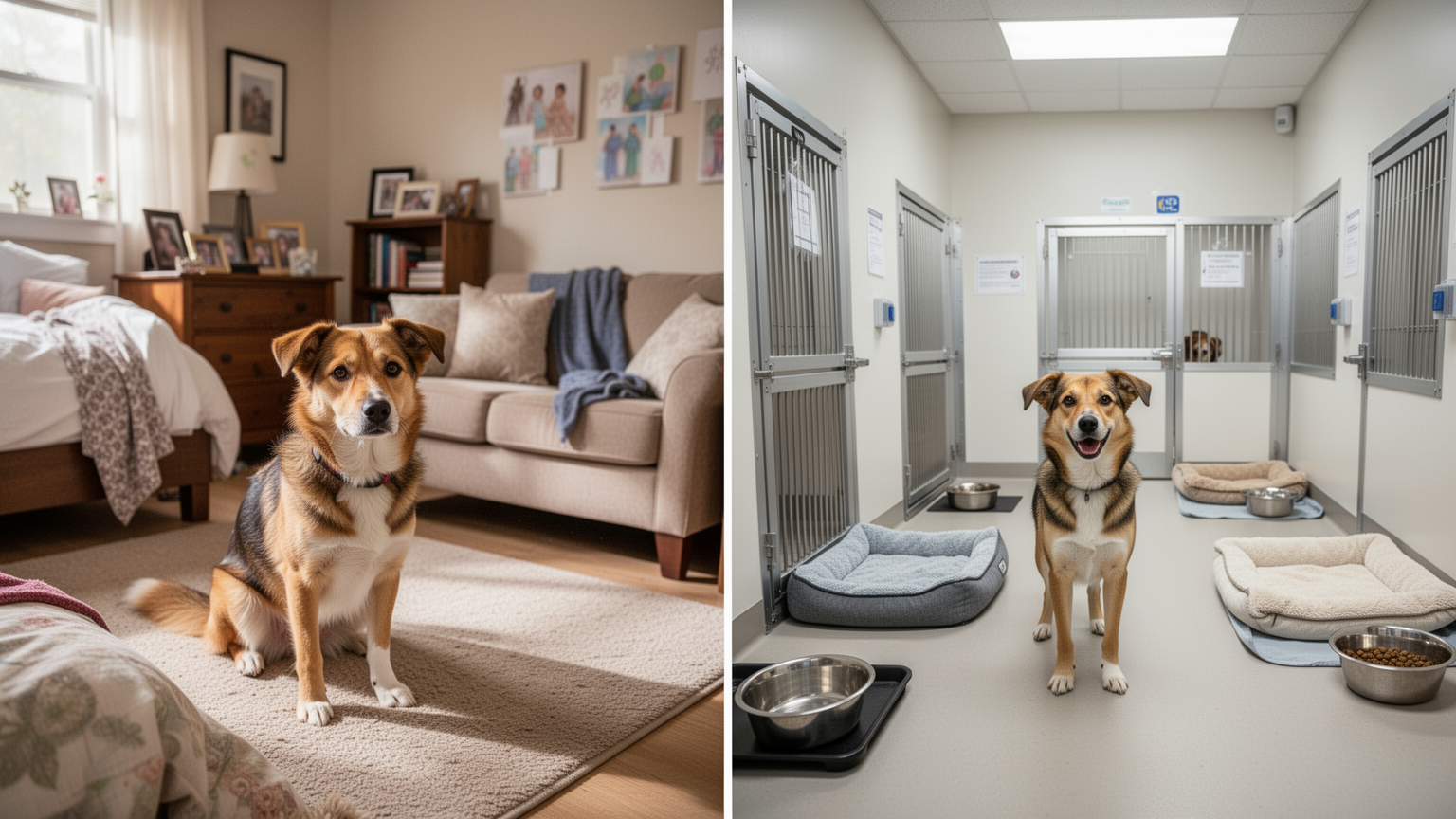
According to industry standards set by the International Boarding & Pet Services Association, both models require proper safety protocols, staff training, and clear communication with owners. However, the day-to-day experience feels very different to your pet.
Cost Comparison in Thailand
Prices vary widely depending on your location, the facility's standard, and the sitter's experience. Here's what to expect:
Pet hotels typically cost 800-2,500 baht per night for standard boarding. Premium facilities with amenities (air-conditioned suites, individual play time, grooming) run 2,500-5,000+ baht per night. Additional services like medication administration or special diets usually add 100-300 baht per day.
In-home sitters generally charge 300-800 baht per visit for a single pet. If your pet needs multiple visits daily (common for young dogs or those with medical needs), expect 600-1,500 baht daily. Rates depend on the sitter's experience and your location-urban areas and sitters with formal certification tend to be higher.
For a one-week trip: - Pet hotel: 5,600-17,500 baht (or more, depending on facility) - In-home sitter: 2,100-5,600 baht for once-daily visits
The sitter option is almost always cheaper. However, the hotel includes 24-hour oversight; a sitter's visit lasts 30 minutes to an hour. This matters if your pet has health concerns or behavioral issues.
Ask providers upfront whether rates include feeding, medications, or waste cleanup-these details affect real cost.
Choosing Based on Pet Temperament
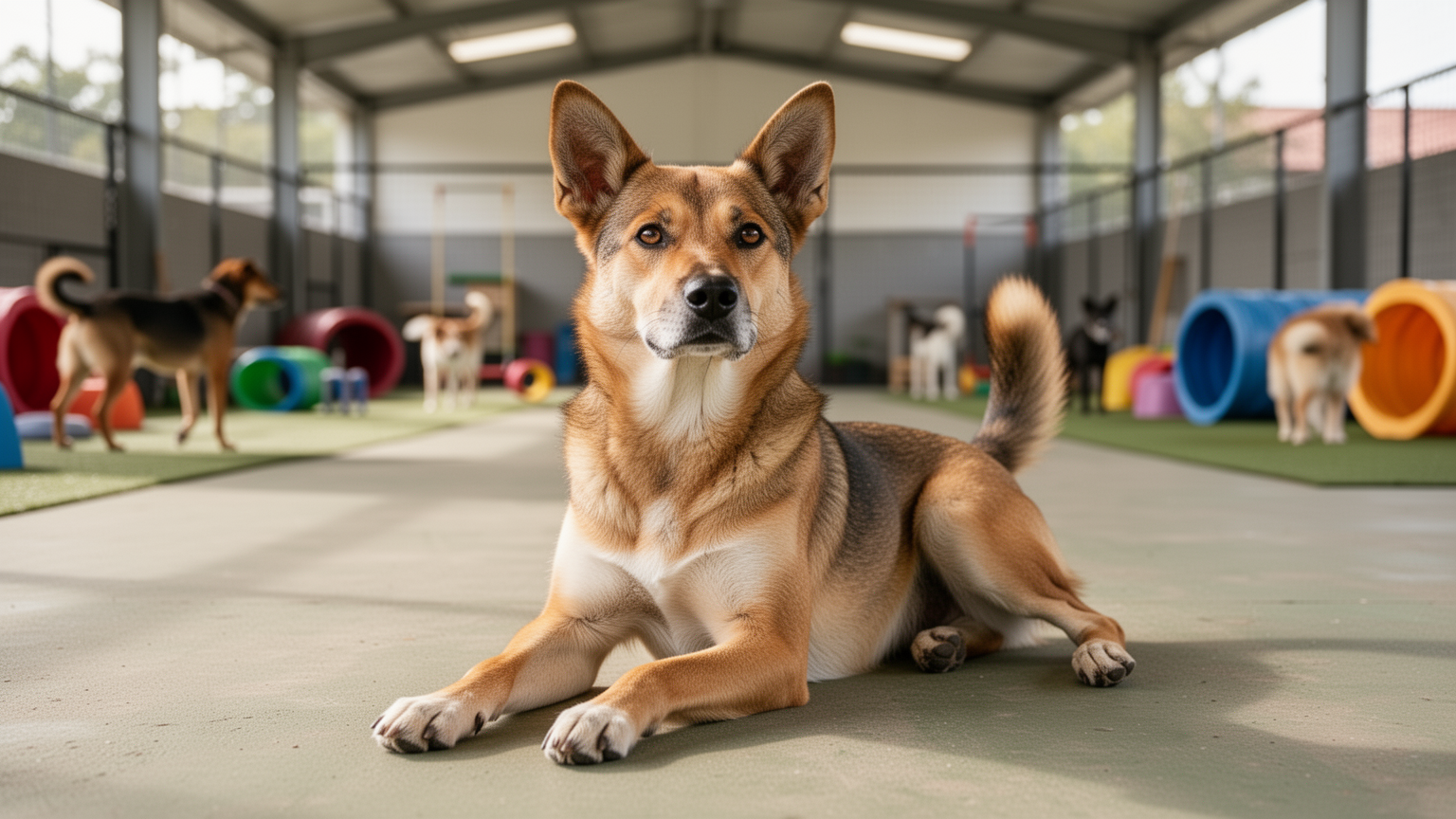
Not every pet thrives in the same setting. Your pet's personality is the single best guide.
Pet hotels work well for: - Dogs that are social and enjoy playing with other animals - Younger, confident pets without anxiety - Pets that have been successfully boarded before - Animals that don't depend on strict routine
In-home sitters work better for: - Anxious or fearful pets (especially cats) - Senior animals with health conditions or medication schedules - Pets sensitive to change or separation stress - Dogs that show signs of stress in new spaces (refusing to eat, excessive barking, hiding)
According to the ASPCA, signs of boarding stress include loss of appetite, excessive vocalization, destructive behavior, and changes in bathroom habits. Anxious pets often show these signs in hotel environments, even good ones.
If your pet is older or has a chronic condition (arthritis, diabetes, kidney disease), an in-home sitter reduces the stress of transport and new surroundings. They can also administer medications on schedule and monitor health closely.
If your pet is young, social, and has boarded comfortably before, a pet hotel is fine and may even provide welcome socialization.
When in doubt, trial runs help. Spend a few hours at a hotel with your pet before a full stay, or arrange a short sitter visit while you're home to gauge your pet's comfort.
Safety & Welfare Considerations
Both options require the same basic safety standards-proper ventilation, clean spaces, fresh water, appropriate temperature control, and trained staff. But how oversight works differs.
Pet hotels provide: - Continuous facility infrastructure (security, climate control, containment) - Staff trained to spot health issues or behavioral problems in real time - Emergency protocols, typically vetted by industry standards for facility-based care - A controlled environment that reduces risk of escape or external threats
In-home sitters offer: - One-on-one attention and your pet's own routine - No exposure to other animals (lower disease transmission risk) - Familiar surroundings, which reduces stress-related illness - Your home's security and your pet's known safe space
The trade-off: hotels have more staff eyes, but sitters have fewer variables. An anxious pet may get sick from boarding stress; a pet in-home stays calm and eats normally.
To ensure safety with a sitter, verify they have: - Documented experience and references from previous clients - A certification or training in pet first aid and CPR (standards maintained by organizations like Pet Sitters International) - Clear written protocols for emergencies and veterinary contact - Insurance (liability or bonding) - Access to your home that doesn't compromise security
For hotels, visit in person. Check water bowls, exercise areas, space size, temperature, lighting, and cleanliness. Ask about staff-to-pet ratios and what happens outside business hours.
Logistics & Convenience Factors
Timing and drop-off: Pet hotels require a specific check-in time, often during business hours. If your flight is early, you'll need to drop your pet off the evening before. In-home sitters come to you, so no transport stress and more flexible timing.
Medication and special diets: Both can handle these, but hotels may charge extra. Sitters integrate medication into your pet's normal routine at home, which is simpler.
Multiple pets: Hotels usually charge per animal. Sitters charge per visit, so managing two pets costs the same as one. This makes sitters cheaper if you have multiple animals.
Length of stay: For one or two days, a sitter is simpler and cheaper. For a week or longer, a hotel's infrastructure becomes more valuable, though cost adds up quickly.
Communication: Sitters typically text photos or updates. Hotels may have an app or email updates, but not always real-time contact. If you're a worrier, ask about communication upfront.
How to Vet & Select a Provider
For in-home sitters:
-
Request references-contact 2-3 previous clients directly. Ask about reliability, how their pets reacted, and whether medication was handled correctly.
-
Verify credentials. Pet Sitters International offers training and membership standards for sitters; members adhere to codes of conduct. While not required, it's a good signal.
-
Check insurance and bonding. A legitimate sitter carries liability insurance and may be bonded (meaning you're protected if something goes wrong).
-
Meet in person. Have the sitter visit while you're home so your pet can meet them and you can confirm they're comfortable in your space.
-
Agree on a written agreement covering rates, visit length, emergency protocols, and what happens if the sitter can't make a visit.
For pet hotels:
-
Visit the facility. Don't book based on a website alone. Walk through, see where pets sleep and exercise, check cleanliness and temperature.
-
Ask about staffing. How many staff members? Are they present 24/7, or during business hours only? What's the plan for emergencies outside those hours?
-
Request references-speak to owners who've boarded similar pets recently.
-
Check for memberships or certifications. Industry-accredited facilities follow IBPSA standards or similar for safety and care.
-
Clarify costs. Ask what's included (food, basic exercise, medication) and what costs extra. Understand cancellation policies.
-
Trial run. If your pet is anxious, book a short stay or a few hours of "doggy daycare" first.
FAQ
What's the best age to start using a pet hotel or sitter? Puppies and kittens under 16 weeks shouldn't be boarded due to vaccination risk and the need for frequent feeding. Start with in-home sitters at that age. Once fully vaccinated (around 16-20 weeks) and past the critical socialization window, either option works.
How long can I leave my pet with an in-home sitter? Up to a week is reasonable with daily visits. For longer trips, twice-daily visits become important (especially for dogs), which increases cost. Beyond two weeks, many sitters recommend hotels or owner-friends as a backup.
Can a pet hotel help with behavioral issues? Hotels can manage basic behavior, but they're not training facilities. If your pet is aggressive, anxious, or has serious behavior problems, discuss this upfront. In-home sitters may be safer in these cases since they work one-on-one in a familiar space.
What if my pet gets sick while being boarded or with a sitter? Both should have your vet's contact and authority to seek emergency care. You pay for treatment upfront. Always leave your vet's details and any pet health records with your chosen provider.
Sources
International Boarding & Pet Services Association - Standards & Safety Protocols - facility accreditation and industry best practices for boarding environments and staff training.
Pet Sitters International - Find a Pet Sitter - sitter certification standards, membership requirements, and vetting guidelines.
ASPCA Pet Care - Boarding and Behavioral Health - pet temperament, stress indicators, and welfare considerations during boarding.