Does Your Cat Need Professional Dental Cleaning? A Practical Guide
Yes, many cats do need professional dental cleaning at some point in their lives - but not all cats need it right now. Whether your cat is a candidate depends on their age, diet, and the condition of their teeth and gums. If your vet has recommended cleaning, there are good reasons. If you're trying to decide whether to pursue it, this guide will help you understand the signs, the procedure, what it costs, and what recovery looks like.
Why Dental Health Matters for Cats
Your cat's teeth aren't just about chewing. Healthy teeth and gums keep bacteria out of the bloodstream, which protects the heart, kidneys, and liver. Dental disease in cats is silent - your cat won't complain much, even if their mouth is painful or infected.
Gum disease (called periodontal disease or gingivitis) starts with plaque buildup on the teeth. Over time, plaque hardens into tartar, bacteria colonize under the gum line, and the infection spreads. Cats with untreated gum disease can develop infections that damage organs and cause chronic pain, even if they seem fine to you.
The catch: brushing alone cannot remove tartar once it's formed. That's why professional cleaning exists.
Signs Your Cat Needs Professional Dental Cleaning
Look for these warning signs:
- Bad breath. Not the normal "cat breath" - a strong, foul smell that's noticeably worse than usual.
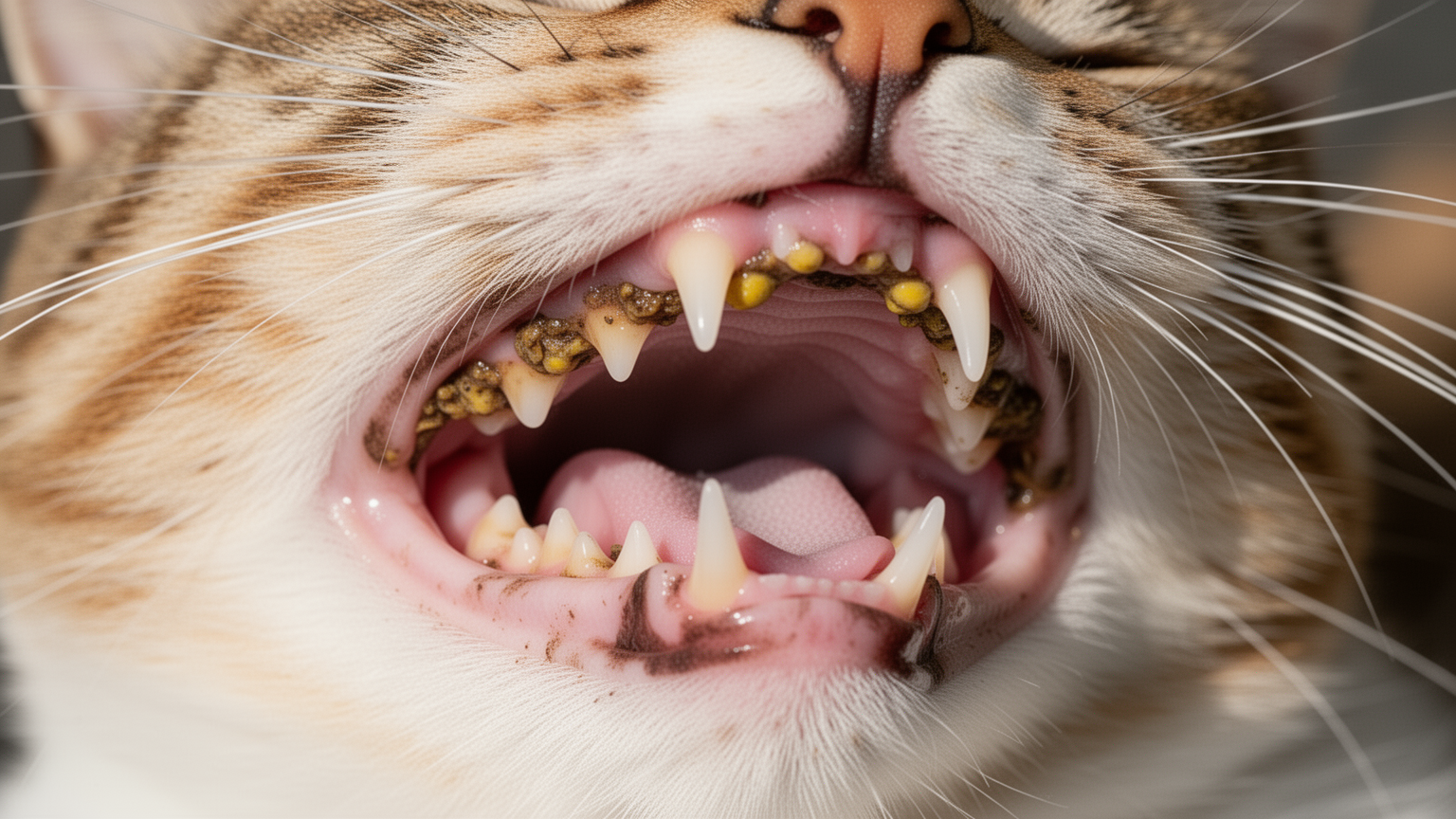
- Visible tartar. Brown or yellow buildup on the teeth, especially near the gum line.
- Red or swollen gums. Healthy gum tissue is pale pink. Inflamed gums bleed easily when touched.
- Difficulty eating, dropping food, or chewing on one side of the mouth.
- Drooling more than normal, especially if it's discolored or smells bad.
- Pawing at the mouth or face.
- Loose or missing teeth.
- Behavior changes - lethargy, loss of appetite, or seeming withdrawn (a sign of pain).
If your vet has pointed out tartar or gum redness during a routine check, that's an early signal that cleaning might help prevent worse problems later.
Age matters too. Cats under 4 years old rarely need cleaning if their teeth look healthy. Cats over 8 years old, especially those eating only soft food, tend to have more buildup. However, individual cats vary - some young cats develop plaque quickly, while some older cats have clean teeth.
How Professional Dental Cleaning Works (Including Anesthesia)
Professional cleaning is not like a human dental appointment. Your cat cannot sit still, follow instructions, or tolerate instruments in their mouth awake. That's why anesthesia is necessary - it's not optional, and it's not a sign of danger. Modern anesthesia protocols used by accredited veterinary hospitals are safe and closely monitored.
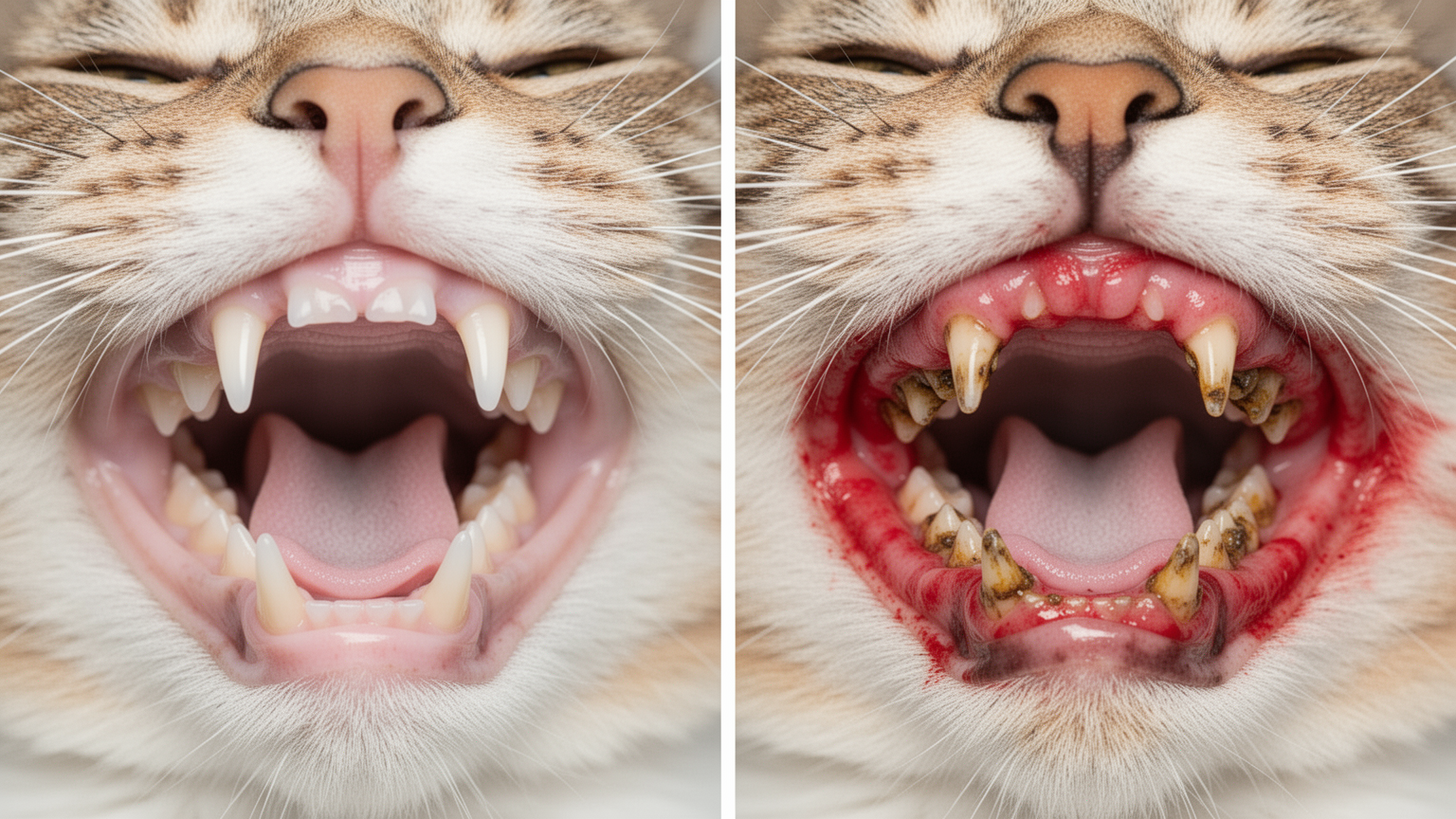
Here's what the procedure involves:
Before the appointment: - Your vet will examine your cat's teeth and may take X-rays to see below the gum line. - Blood tests (especially for older cats) check kidney and liver function, since these organs process anesthesia. - You'll be asked to fast your cat for 6-8 hours before the appointment (no food; water is usually okay until a few hours before).
During cleaning: - Your cat receives anesthesia, usually injected intravenously or intramuscularly. - The vet uses an ultrasonic scaler to break up tartar above and below the gum line. - Hand instruments remove remaining buildup. - Teeth are polished to smooth the surface and slow future plaque buildup. - The vet checks for loose teeth, abscesses, or other problems that may need extraction. - Extractions happen during the same visit if needed.
Monitoring: - Your cat's heart rate, oxygen level, blood pressure, and temperature are monitored throughout the procedure using equipment similar to what human hospitals use. - The entire procedure usually takes 30-60 minutes, depending on how much buildup is present.
The anesthesia wears off within a few hours. Your cat will be drowsy and a bit unsteady afterward - this is normal and temporary.
Cat Dental Cleaning Costs in Thailand
Prices vary widely depending on the clinic, your cat's age, the extent of disease, and whether extractions are needed.
A typical professional cleaning (without extractions) ranges from 3,000 to 8,000 THB, though some clinics charge more. If your cat needs tooth extractions, add 500-1,500 THB per tooth. Pre-anesthesia blood tests add another 1,000-2,000 THB.
These are rough ranges based on what clinics in Thailand typically charge. Your actual bill depends on:
- Clinic location and reputation. Larger, more established hospitals tend to charge more.
- Anesthesia type. Injectable anesthesia is cheaper than gas anesthesia, which allows finer control.
- Extent of disease. A cat with mild tartar takes 30 minutes. A cat with severe gum disease and multiple loose teeth takes longer.
- Extractions. Removing teeth adds time and cost.
- Pre-anesthesia testing. Not all clinics require blood work, but reputable ones do, especially for cats over 7 years old.
Before you book, contact 3-5 clinics and ask for: - The full price, including pre-anesthesia blood work and monitoring. - Whether extractions are quoted separately or included in the estimate. - What happens if the vet finds problems during the procedure (like abscesses) that require additional work - will they contact you or proceed?
Don't pick the cheapest option. A vet who skips blood work, doesn't monitor anesthesia closely, or doesn't take X-rays may save you money upfront but risks your cat's safety.
Risks, Recovery, and Aftercare
Professional dental cleaning is routine and generally safe, but like any procedure involving anesthesia, it carries small risks.
Anesthesia risks: - Reaction to the drug (rare, and vets screen for it with blood tests). - Aspiration (breathing in saliva or stomach content during the procedure - clinics minimize this by fasting your cat beforehand). - Prolonged recovery in cats with kidney or heart disease.
Accredited veterinary hospitals follow strict anesthesia protocols to minimize these risks. Ask your vet about their monitoring equipment and experience with older or sicker cats.
Post-extraction risks: - If teeth were extracted, the sockets will be sore for a few days. - Infection is rare if aftercare is followed.
Recovery and aftercare:
Your cat will go home the same day. Recovery takes 24 hours.
- First evening: Keep your cat quiet and warm. They'll be drowsy - let them rest in a safe space. Don't be alarmed if they seem confused or unsteady for a few hours; anesthesia takes time to wear off.
- First meal: Offer soft food 6-8 hours after returning home (if your cat seems interested). If teeth were extracted, stick to soft food for 1-2 weeks.
- Pain management: Your vet will prescribe pain relief if extractions were done. Give it as directed.
- Activity: Restrict jumping, running, and playing for 24-48 hours. Keep your cat indoors.
- Mouth care: Don't try to clean or rinse the mouth. Let it heal naturally.
- Watch for: Excessive bleeding, persistent bad breath, reduced appetite, or swelling. Contact your vet if any of these appear.
Most cats return to normal within 3-5 days.
Prevention: Reducing Future Dental Disease
Professional cleaning buys time, but it doesn't prevent future tartar buildup. Even after cleaning, plaque starts forming again within days.
Here's what actually works:
- Diet. Dry kibble creates more friction against teeth than wet food, which slows plaque buildup. Some cats on a mostly wet food diet develop tartar faster. Mix both if your cat tolerates it.
- Dental treats and toys. Chewing on appropriate toys (not hard bones or objects that crack teeth) can help, though the effect is modest.
- Regular vet checks. Annual exams let your vet spot early tartar before it becomes a problem.
- At-home brushing. If your cat tolerates it, brushing a few times a week with a cat toothbrush and cat-safe toothpaste is the single most effective preventive step - but many cats won't tolerate it, and that's okay.
Even with good prevention, most cats will need another professional cleaning in 3-5 years, depending on genetics, age, and diet.
FAQ
How often do cats need professional dental cleaning? There's no universal timeline. Some cats never need it; others need cleaning every 2-3 years. Your vet will advise based on your cat's age, diet, and the rate of tartar buildup. Annual check-ups help catch problems early.
Is anesthesia safe for older cats? Yes, it can be safe for older cats, but it requires extra precautions. Pre-anesthesia blood work is essential to screen for kidney or liver disease. Discuss your cat's age and health history with your vet. Many vets safely anesthetize cats in their teens.
Can I delay cleaning if my cat seems fine? If your vet has recommended cleaning, delaying usually means the problem gets worse. Early intervention prevents pain, infections, and tooth loss. However, if your cat is very ill or has serious heart or kidney disease, the risks of anesthesia may outweigh the benefits - talk this through with your vet.
What if my cat has a tooth extracted? Cats do very well with missing teeth. They adjust within days and eat and play normally. It's better to remove a severely diseased tooth than leave an infection brewing. Your cat won't miss it.
Will my cat's breath improve after cleaning? Usually, yes. Bad breath is often a sign of bacterial buildup. After cleaning, breath typically improves noticeably within 1-2 weeks as the mouth heals.
What should I do if I can't afford cleaning right now? Talk to your vet about the risks and timeline. If your cat has only mild tartar and no gum disease, you may have months or even a year to save up. If the disease is advanced, delaying increases the risk of infections and tooth loss. Some clinics offer payment plans.
Sources
AAHA - Your Pet - accreditation standards for anesthesia safety and monitoring protocols.
VCA Animal Hospitals - Know Your Pet - professional dental cleaning procedure steps, anesthesia recovery, and clinical indicators for cleaning.
International Cat Care - Advice - feline-specific dental disease background and welfare context.